

- What is Rosacea?
- Who Does it Typically Affect?
- Different Types of Rosacea
- Symptoms: What Are the Signs of Rosacea?
- Triggers: What Can Aggravate Rosacea?
- Treatment of Rosacea: The Path to Clearer Skin
- My Rosacea Journey: From Missed Diagnosis to Clearer Skin
- My Advice and Tips for Managing Rosacea
Though we near the end of April, it’s important to highlight that this month remains dedicated to raising awareness about rosacea (designated by the National Rosacea Society (NRS)). For me, that means sharing my story about this sneaky skin condition that crept into my life. It wasn’t as obvious as some cases you might see, but it still made me super self-conscious, especially since I was already dealing with acne.
I didn’t figure out what it was on my own, credit goes to my sister, who’s studying medicine. She spotted the signs while I was doing my acne treatment and little did I know that it cured my rosacea at the same time. That’s when I learned something important: when you’re dealing with skin issues, it’s not just about the obvious stuff. It’s about looking at the big picture, considering how everything fits together.
Rosacea might not be as flashy as some skin conditions, but it definitely messes with your confidence. Through sharing my experience, I hope to shed some light on what it’s like and remind others that they’re not alone in dealing with this tricky skin issue.
What is Rosacea?
Rosacea is a chronic skin condition that causes facial redness, visible blood vessels, and sometimes small red bumps. It mainly affects the central part of the face; cheeks, nose, forehead, and chin. While it varies in severity, rosacea often fluctuates over time, with periods of flare-ups and remission.
The exact causes of rosacea are still a bit mysterious, but it’s believed to involve inflammation, wonky blood vessels, and issues with the skin’s protective barrier. Researchers are working to uncover more about this condition and find better treatments.
Interestingly, the nervous system may also play a role. It seems that nerve signals controlling blood flow to the skin might be involved in the flushing and redness seen in rosacea.
Who Does it Typically Affect?
Ever found yourself wondering why your face seems to blush at the slightest provocation? Enter rosacea—a complex skin condition that often leaves its mark when you’d rather it didn’t.
Rosacea can affect anyone. Yet, if it’s a family affair, chances are you might inherit it too. Genetics play a role in this tale of flushed cheeks and persistent redness.
Your skin’s also sensitive to its surroundings. Sun, wind, and extreme temperatures can all trigger rosacea flare-ups, leaving you feeling like you’ve got a spotlight on your face.
Then there’s the immune system, sometimes a bit too eager to defend the fortress. In the case of rosacea, it can misinterpret harmless stimuli, instigating a skirmish on your skin’s surface.
Rosacea can affect people of all ages, but it’s most commonly diagnosed in adults between the ages of 30 and 50. It tends to affect fair-skinned individuals more frequently, but it can occur in people of any skin type or ethnicity (the appearance of rosacea on the face may vary, example not same color as people with fair skin).
Women are slightly more likely to develop rosacea than men, but men often experience more severe symptoms when they do have it.
Different Types of Rosacea
Rosacea can manifest in various forms, and individuals may experience different combinations of symptoms. While there isn’t a strict classification system for types of rosacea, dermatologists often categorize it into four subtypes:
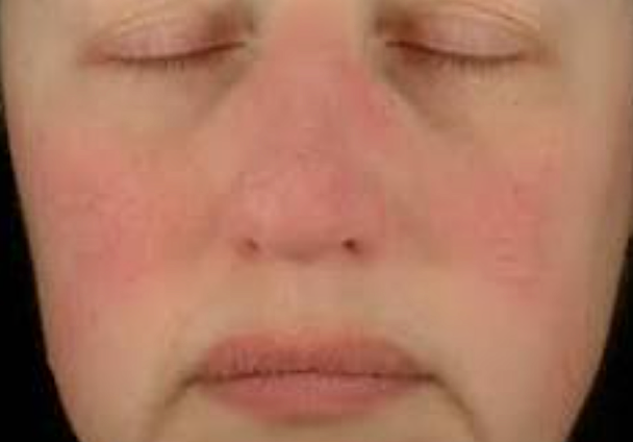
1. Erythematotelangiectatic Rosacea: (the one I had) This subtype is characterized by persistent facial redness and visible blood vessels. Individuals may also experience flushing and a sensation of heat on the skin.
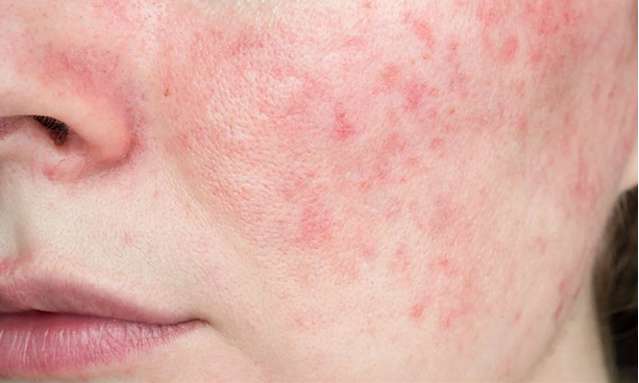
2. Papulopustular Rosacea: Resembling acne, this subtype presents with small, red bumps and pustules on the skin, in addition to facial redness and visible blood vessels.
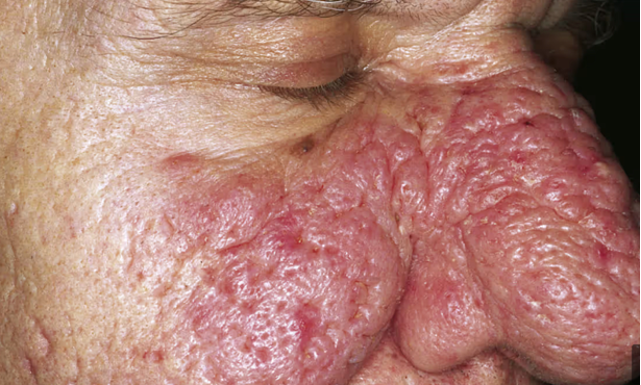
3. Phymatous Rosacea: Commonly affecting the nose, phymatous rosacea involves thickening of the skin and enlargement of the sebaceous glands, resulting in a bulbous or bumpy appearance.
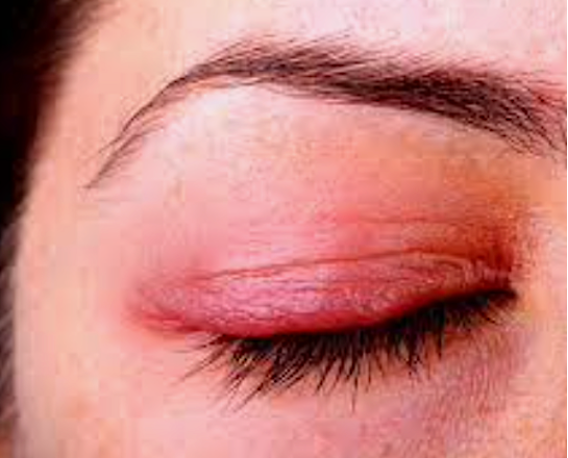
4. Ocular Rosacea: Rosacea can extend beyond the skin to affect the eyes, leading to symptoms such as redness, dryness, irritation, and sensitivity to light. Without proper treatment, ocular rosacea can potentially cause corneal damage.
NB: This is not a diagnostic blog but more informative and It’s always best to consult your dermatologist as they are the one who will accurately diagnose the subtype and determine the most suitable treatment for you!
Symptoms: What Are the Signs of Rosacea?
Rosacea is characterized by persistent facial redness, particularly in the central areas like the cheeks, nose, forehead, and chin. Alongside this redness, visible blood vessels may become more prominent, and some individuals may experience small, raised bumps resembling acne.
Triggers: What Can Aggravate Rosacea?
Summertime can be tough for those with rosacea, as the heat and sun exposure can trigger flare-ups. Spicy foods, hot drinks, and alcohol are known culprits, along with harsh skincare products that contain fragrances or chemicals. Stress can also worsen symptoms, so it’s essential to prioritize relaxation and well-being.
So, when it comes to diet, avoiding spicy dishes and alcohol can help keep redness at bay. And don’t forget about the weather: extreme temperatures, wind, and humidity can all aggravate rosacea (sun protection is a must).
Stress is another biggie. When life gets hectic, our skin often pays the price. That’s why finding ways to unwind and destress is crucial for managing rosacea.
And regarding skincare, opt for a gentle, fragrance-free products that won’t irritate sensitive skin. Astringent alcohols, perfumes, and menthol are common irritants to watch out for.
According to a survey, many rosacea patients find that certain skincare products make their symptoms worse. By identifying and avoiding these triggers, you can help keep your rosacea in check and your skin happy.
Indeed, «In an NRS survey of 1,104 rosacea patients, 82% reported that certain skin-care products and cosmetics aggravated their condition, and 70% said there were specific ingredients that irritated their skin. The most common irritants were astringent alcohol (63%), perfumes or fragrances (57%), witch hazel (31%) and menthol (30%). Around a quarter of respondents were affected by peppermint or eucalyptus oil, dyes and pigments, sulfates, and parabens or other preservatives. »1
Treatment of Rosacea: The Path to Clearer Skin
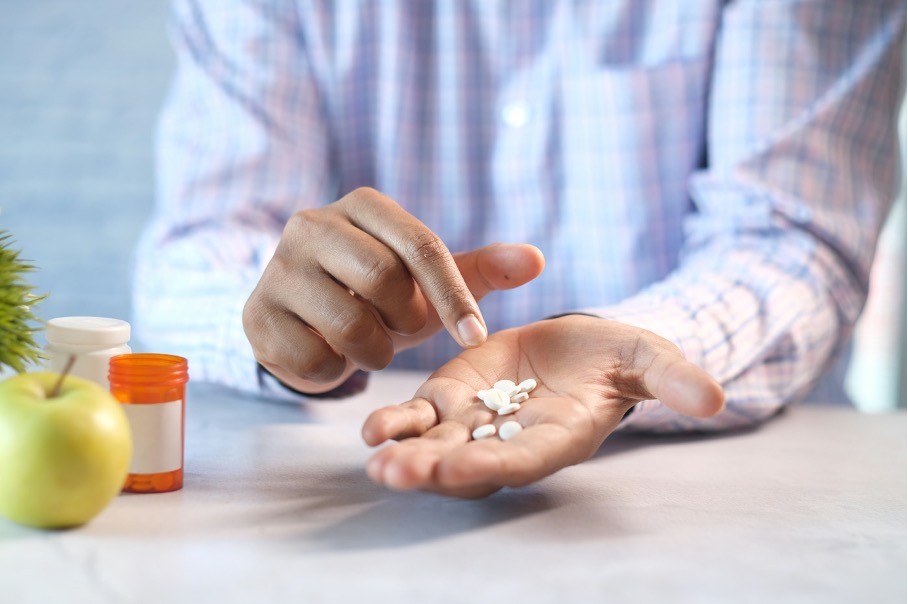
Once diagnosed, a variety of treatment options are available to help manage rosacea and alleviate its symptoms. These may include:
Topical Creams: Prescription creams containing ingredients like metronidazole, azelaic acid, or ivermectin can help reduce inflammation and redness associated with rosacea. These creams are typically applied directly to the affected areas of the skin once or twice daily.
Oral Medications: In some cases, oral antibiotics may be prescribed to target the underlying inflammation and bacterial overgrowth associated with rosacea. Oral antibiotics like doxycycline, minocycline, or tetracycline are commonly used for their anti-inflammatory properties.
Laser Therapy: For persistent redness and visible blood vessels, laser therapy can be an effective option. Various types of lasers exist, but the one well-known for rosacea is the vascular laser, it can target and reduce blood vessel dilation, leading to a smoother and more even complexion! It is preferable to consult your dermatologist to determine which one will best suit your issue.
Lifestyle Changes: Managing rosacea often involves identifying and avoiding triggers that can exacerbate symptoms. Patients are encouraged to adopt a gentle skincare routine using non-irritating products, protect their skin from sun exposure with sunscreen and protective clothing, and minimize stress through relaxation techniques or mindfulness practices.
Dietary Modifications: While individual triggers can vary, some patients find relief by avoiding common dietary triggers like spicy foods, alcohol, and hot beverages. Keeping a food diary, for example, can help identify specific triggers and guide dietary modifications.
There’s a video by Dr. Shereene Idriss, an American dermatologist, discussing rosacea and its treatments. It’s really comprehensive, so don’t hesitate to watch it! The title of her video is “Top 8 Ingredients to Treat Redness & Rosacea from a Dermatologist!”
My Rosacea Journey: From Missed Diagnosis to Clearer Skin
For years, I was mostly worried about my acne, trying hard to find a way to clear it up. But there was something else going on with my skin that I didn’t know about, rosacea.
Funny thing is, I didn’t find out about it from my dermatologist. It was actually my sister, who’s a med student, who noticed it. She noticed it when I was getting treatment for my acne with isotretinoin (you can read more about my isotretinoin journey here)
Now that I remember my face before isotretinoin, I can tell that my rosacea wasn’t super obvious. It mostly showed up as a permanent redness on my cheeks and chin. It made me look like I was blushing all the time, but I didn’t even realize it was a problem because a) it was very light red and thought it was the nature of my skin and that is all and b) I was only focused on my acne at that time.
Looking back, I wonder if I should’ve asked the doctor to check my skin more carefully, instead of just worrying about my acne. Maybe then, we would’ve caught the rosacea sooner.
But here’s the surprising part: the medicine I was taking for my acne ended up helping my rosacea too. Indeed, isotretinoin is also known to treat other skin conditions like psoriasis and rosacea (learn more about isotretinoin in theory here). And now, to keep my skin looking clear, I use a gentle acid called azelaic acid every day.
It helps a lot with the redness and makes my skin look brighter right after I put it on. After finishing the isotretinoin treatment, now it’s been more than 1 year and a half, my rosacea didn’t come back and I am sure that the acid maintains the results. (More about azelaic acid in an upcoming article very soon!).
Now that I’ve taken a closer look at myself, it’s no surprise that I’m prone to rosacea. I also have other skin issues like chilblains on my feet when it’s cold, and I feel like I fit the typical profile for these kinds of skin problems. Slim, very fair skin, woman between 30 and 50! (More about chilblains on an upcoming article soon!)
My Advice and Tips for Managing Rosacea

I don’t have many because I wasn’t aware of my rosacea for a while. But if there’s one thing I’ve learned, it’s the importance of consulting a dermatologist for a comprehensive evaluation of your skin. Instead of just focusing on one issue, ask them to examine your skin as a whole and look for any underlying conditions.
However, if you do know you have rosacea, especially if it’s light to mild like mine, I highly recommend trying azelaic acid for a few months before opting for other treatments (oral medication, laser). I’ve found it to make a significant difference.
I wasn’t initially aware of my rosacea, and since it cleared up with the isotretinoin treatment I underwent for my acne, I didn’t explore other solutions aside from using this acid to sustain the positive outcomes achieved with isotretinoin.
Surprisingly, this acid isn’t talked about much in the skincare world, unlike retinol, for example, which is a shame. But I’ve grown to love it.
I can visibly observe the immediate impact of azelaic acid on my complexion. Following its application, my skin appears brighter and more radiant, with a noticeably even tone and absence of redness. Importantly, my rosacea hasn’t recurred since.
The azelaic acid I use, “Skinoren”, is a prescription-strength formulation at 20%, which can only be obtained from a pharmacist, at least here in Europe. According to dermatologist Dr. Shereen Idriss, for azelaic acid to effectively treat rosacea, a minimum concentration of 10% is required, with 15% being ideal.
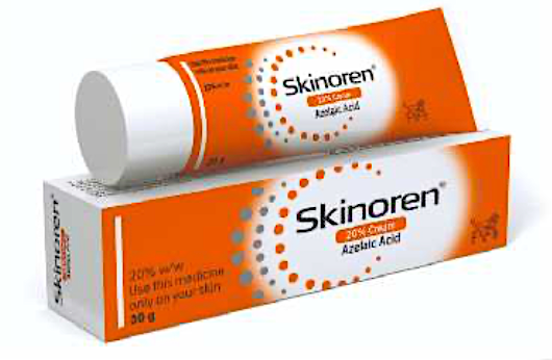
I’ve found that if this cream is manipulated too much on the skin, it can cause peeling, so I make sure to apply it quickly and gently, allowing several minutes (at least 10 min) for it to dry and be absorbed before applying any additional products.
NB: I will be writing an article on azelaic acid to provide a deeper understanding of the acid and to gather more comprehensive information on its uses and benefits.
It’s gentle enough to use in the morning before applying sunscreen, and it doesn’t dry out my sensitive skin at all. In fact, my dermatologist even said I could use it twice a day if my skin tolerated it, which I did initially before introducing tretinoin to my skincare routine.
Now, I only use it once a day, in the morning before my sunscreen. In fact, not only can sun exposure trigger rosacea, so sunscreen is essential in your skincare routine, but also because it’s an acid that I apply on my face, it’s doubly necessary to protect my skin here! You can find more details about my full skincare routine, here: My Skincare Routine After Isotretinoin: How I Care for My Skin Post-Treatment.
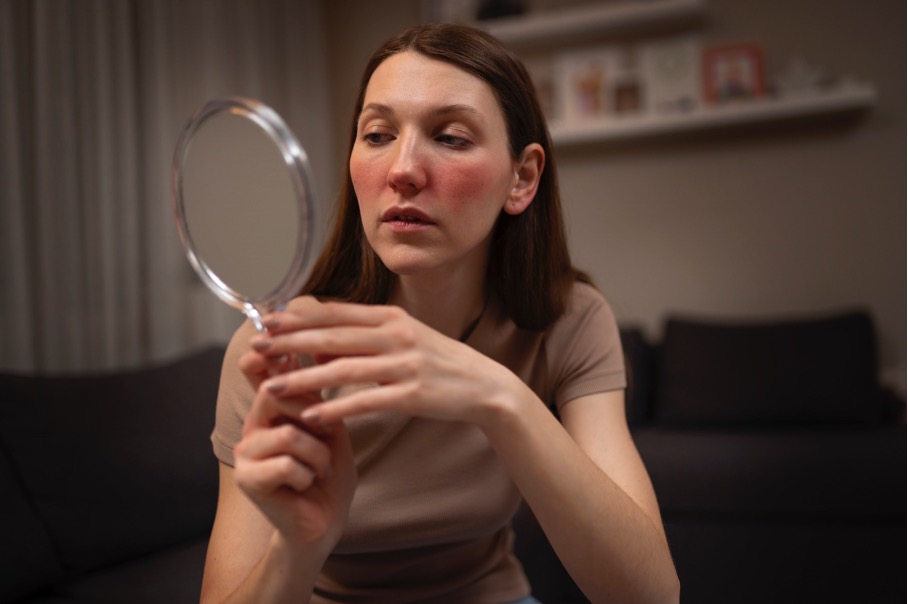
I can definitely tell that my experience has underscored the importance of self-awareness and proactive skincare. By recognizing the signs and seeking professional guidance.
My journey with rosacea, initially brought to light by my sister rather than a professional diagnosis, underscores the importance of seeking medical guidance for any skin concerns. While it’s easy to overlook subtle symptoms, consulting a dermatologist can provide valuable insights and a comprehensive evaluation of your skin’s health.
Discovering azelaic acid as a solution has highlighted the value of exploring overlooked skincare ingredients. Its gentle yet effective nature has significantly improved my rosacea symptoms and overall skin health.
Moving forward, I’m committed to listening to my skin’s needs and embracing personalized solutions. For anyone grappling with rosacea or similar skin concerns, remember to be proactive, informed, and compassionate towards your skin. It’s the key to finding relief and confidence in your skincare journey.
Hope this article on rosacea will help you in any way!
See you soon, Beautifully Moi!
- Source: “Rosacea Awareness Month To Highlight Importance Of Skin Care In Rosacea Treatment”; https://www.rosacea.org/blog/2024/february/rosacea-awareness-month-to-highlight-importance-of-skin-care-in-rosacea-treatment ↩︎
 Beautifully Moi
[…] English version here […]
LikeLike