


- First Attempt Recap
- The Second Attempt: Testing on My Forearm First
- Trying It on My Face: The Moment of Truth
- What I Learned from This Experience
- Is It Safe to Re-Try Products That Once Irritated Your Skin?
- The Best Advice: Listen to Your Skin!
In a previous post, I shared my story about trying a combination of urea and tretinoin on my face. Urea, known for its moisturizing and exfoliating properties, can be a lifesaver for extreme dry skin and with conditions like eczema and psoriasis. Since I was already using tretinoin, I thought it would make sense to pair it with a strong moisturizer to keep my skin hydrated and prevent irritation.
However, my first attempt with this combination didn’t go so well. I ended up with eczema patches on my cheeks. If you have sensitive skin like mine, you might want to be cautious. Everyone’s skin reacts differently, but I’d recommend doing a patch test before trying this combination on your face.
That initial reaction taught me an important lesson about how sensitive my skin can be, especially when using active ingredients like tretinoin. But as we know, skincare is a journey, and sometimes it’s worth revisiting products after your skin has had time to recover.
Fast forward to now, I decided to give it another shot, but this time with a bit more caution. I wanted to document the experience properly, especially because I didn’t take photos the first time around (my bad!). This article will take you through my second attempt, the steps I followed, and the lessons I learned along the way. Here’s how it went…
Curious to dive deeper into retinoids?
Get my 32-page beginner-friendly retinoid guide for free when you subscribe [here], or grab it anytime on Gumroad for just €4.90 [here]!
First Attempt Recap
As said above, my first attempt with this combination didn’t go so well. I ended up with eczema patches on my cheeks. The urea cream, which I had high hopes for, turned out to be too harsh when combined with tretinoin, causing my sensitive skin to react badly. It started with dry, irritated spots, which quickly escalated into full-blown eczema. I talked more in-depth about this in my previous article, where I explained how frustrating and surprising the reaction was. You can read it here!
The Second Attempt: Testing on My Forearm First
I had recently been on antibiotics, and I didn’t want any side effects like rashes to interfere with my experiment. So, once I was done with the antibiotics, I started testing again. This time, I decided to be extra careful by starting with a patch test on my forearm. After a week, there was no reaction, so far, so good!
But here’s the thing: my forearm is much less sensitive than my face, especially my cheeks. My cheeks are always the first to react to new products. So, in the name of thorough testing, I took the leap and tried it on my face.
Trying It on My Face: The Moment of Truth
I applied Mixa 10% Urea Cream all over my face, let it absorb, and then followed up with tretinoin. The first night? No reaction. I wasn’t too surprised, as my skin tends to take a few days to show any irritation.
I repeated the process the second night, again with no issues. This went on for about a week: no eczema, no irritation, just a few small pimples, likely because the urea cream was a bit too rich for my skin. But no major reactions like I had feared!
Urea and Tretinoin: Before/After Photos

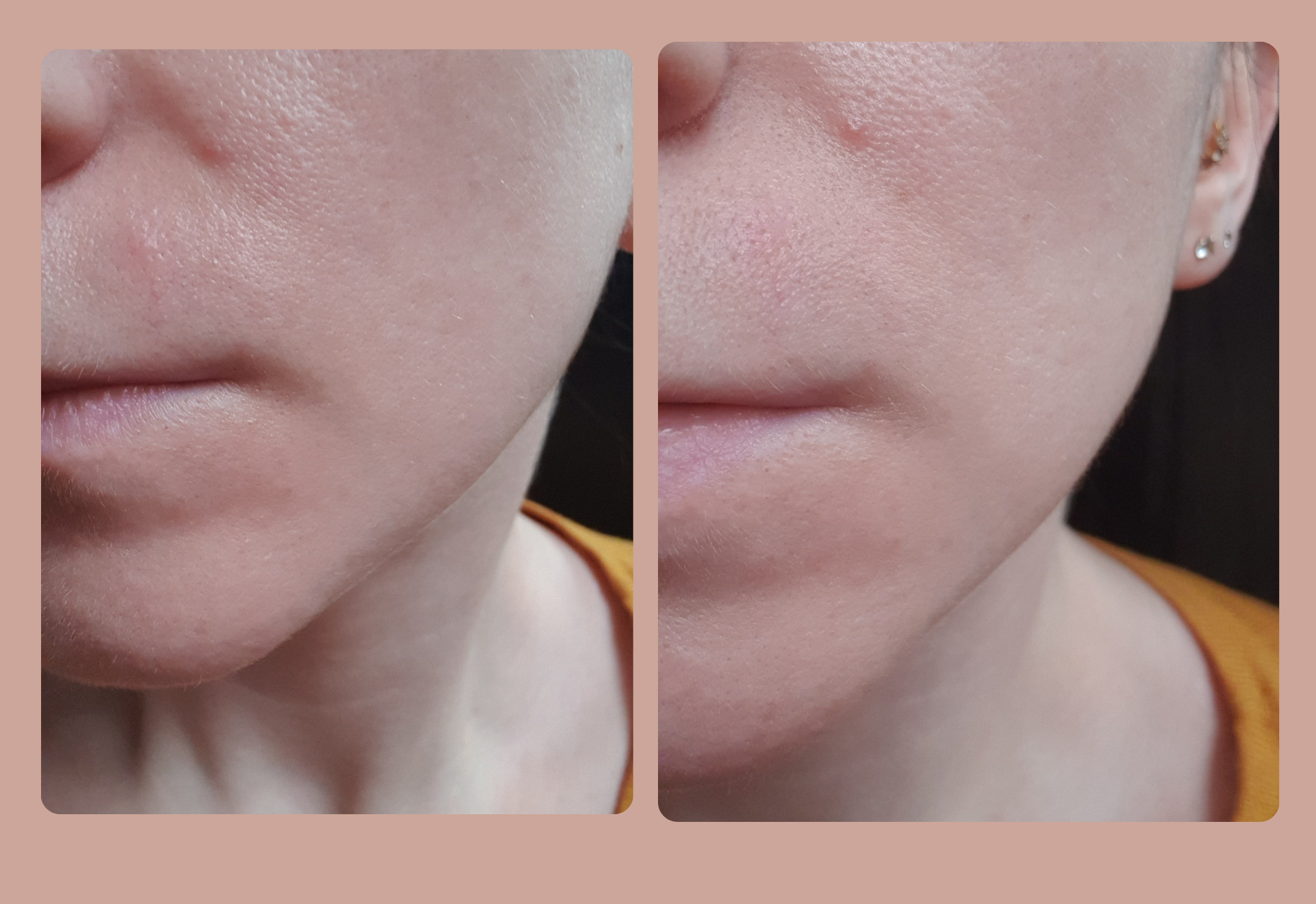
It’s true that the pimple around my mouth isn’t easily visible here, but in my next article, “Acne Patches: A Trend or Real Treatment?”, where I test an acne patch on it to evaluate its effectiveness, you’ll be able to see how the pimple looked the day after.
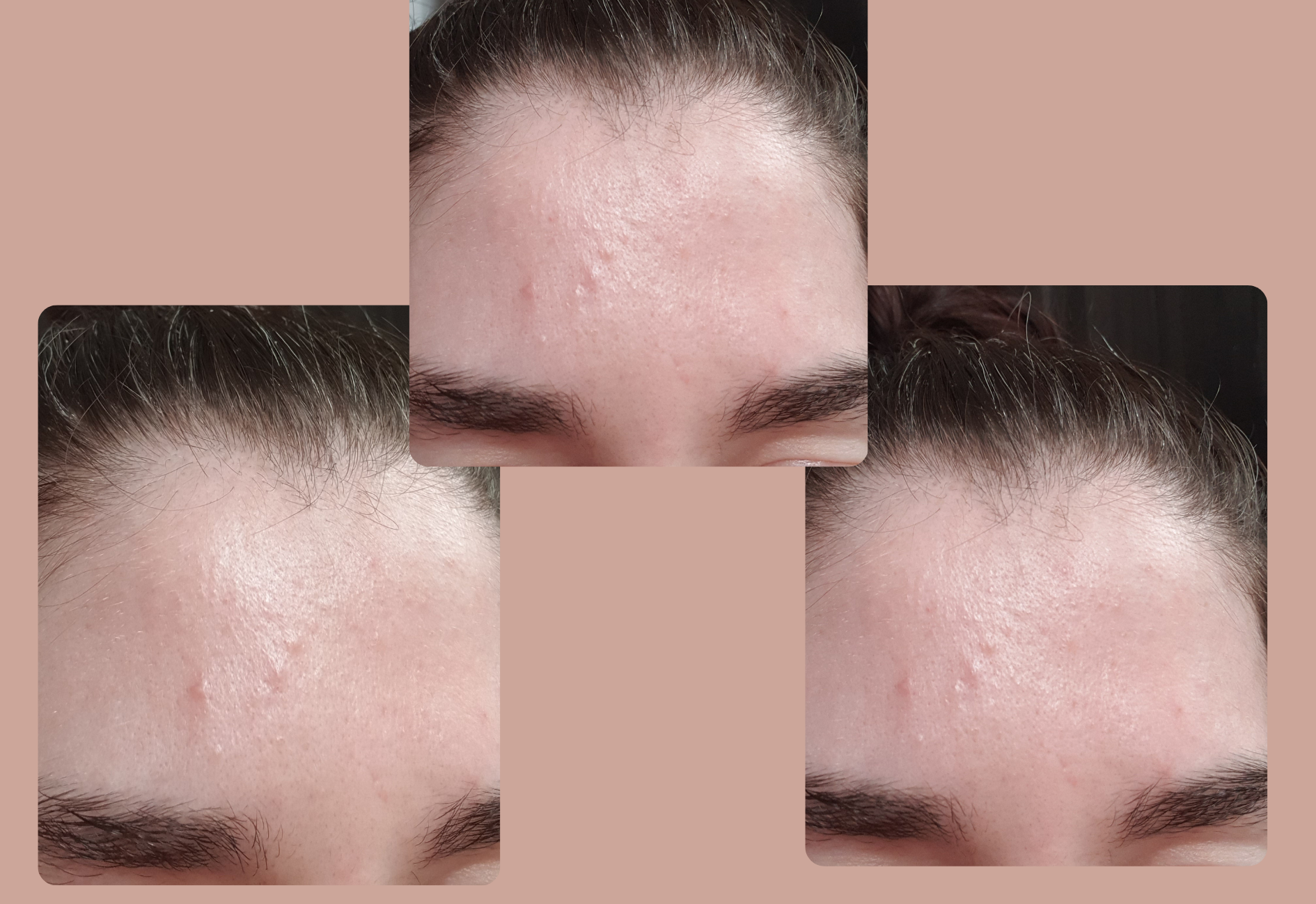
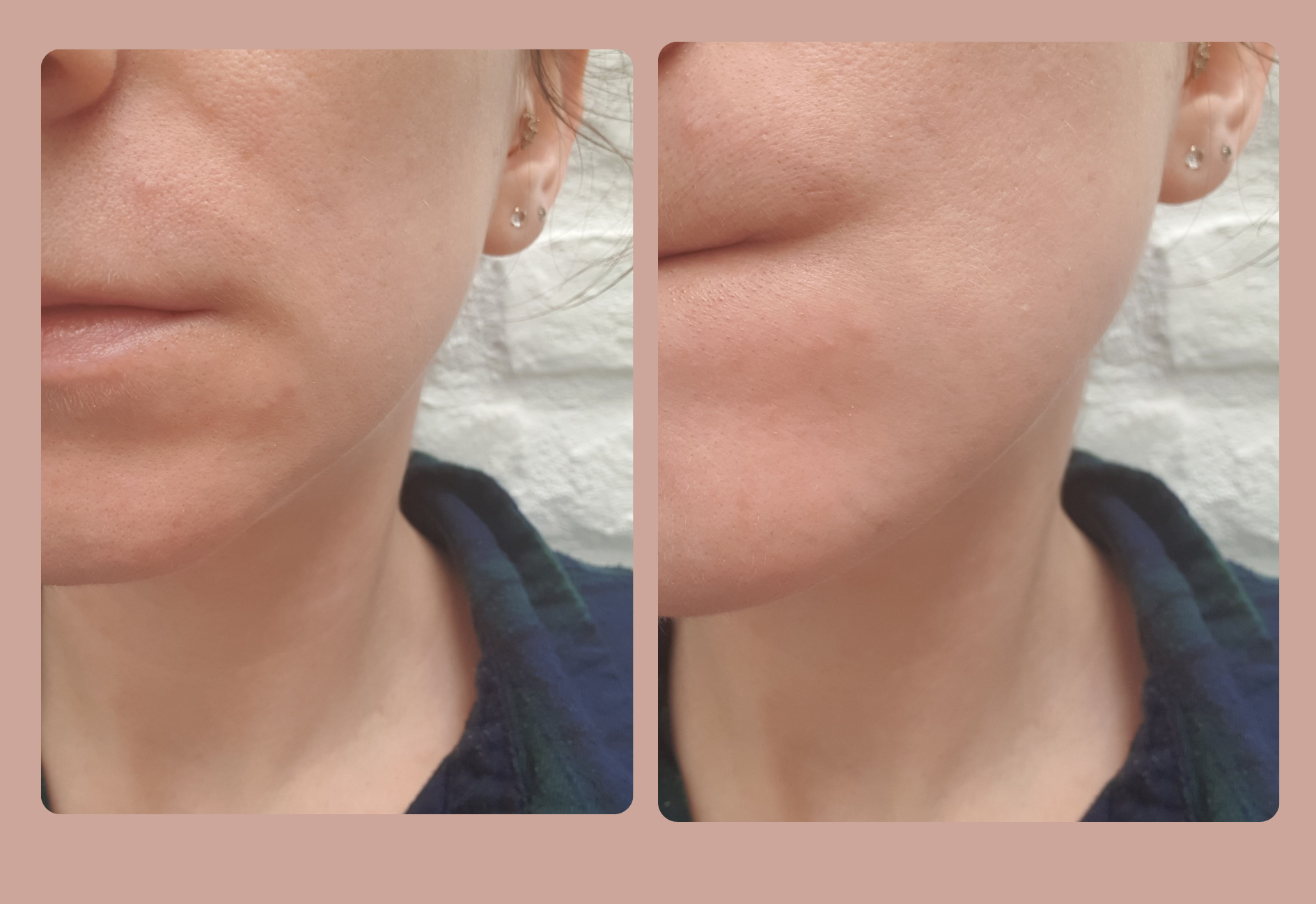
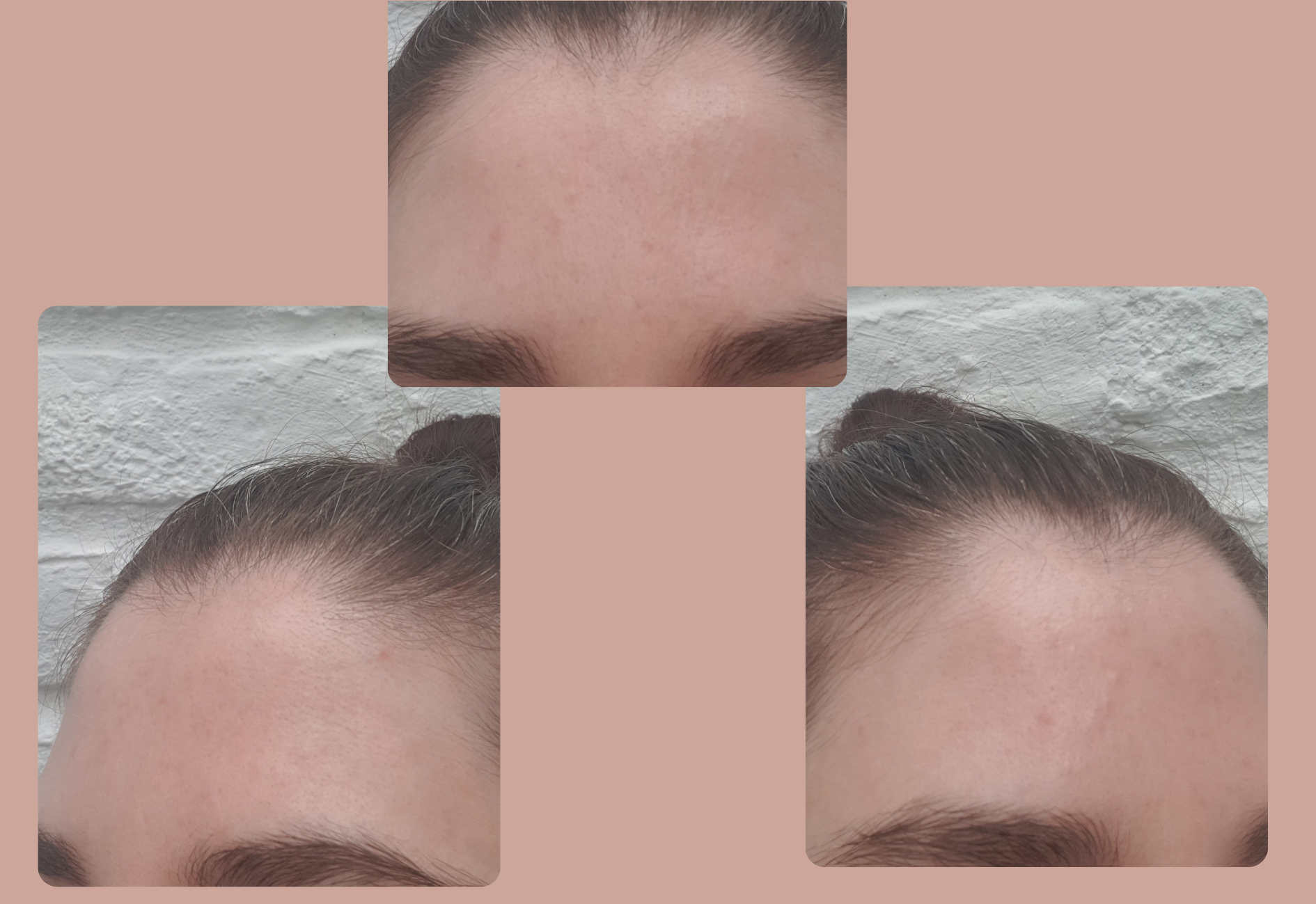
Yes, I did experience some acne with the urea/tretinoin combination. While the breakouts were relatively small, they were spread across my face, which was enough for me to stop using this combo. I believe the urea was too rich for my skin.
In one of the pictures, taken the day after my last use, you can clearly see the fresh acne and closed comedones, along with how much greasier my skin felt. I decided to stop using the urea and switched back to my regular balm moisturizer, which I’m used to, along with the tretinoin.
Within just two days, the acne started to heal. As you can see in the pictures, the spots have already dried out, leaving only red marks and scars behind. So, while I didn’t have dry patches on my cheeks or any adverse reactions this time around, the little acne that appeared due to the richness of the urea cream was enough to make me quit the combo.
Voilà, a thorough review of my second experience with the urea/tretinoin combination!
What I Learned from This Experience
This experiment reminded me of something important: your skin isn’t always the same. Just because it reacts badly once doesn’t mean it always will.
A few months ago, I had to stop using urea and tretinoin after only two or three days because of eczema patches. But this time, nothing happened. No irritation, no redness. My skin handled it much better.
I think the difference came from giving my skin a break. After the first reaction, I focused on restoring my skin barrier with gentle, non-active products. (Let me know if you’d like a post about how I do that!) Once my skin felt more balanced, it tolerated the combination much more easily.
That said, I still stopped after a week, not because of irritation, but because I started getting a few small breakouts. If it hadn’t been for that minor acne flare-up, I probably would have kept going.
This whole experience confirmed something I’ve noticed before. Sometimes your skin just needs time. I’ve had this happen with other products too. After a break, my skin can react very differently. Things like the weather, stress, or medications can all change how your skin responds to a routine.
Is It Safe to Re-Try Products That Once Irritated Your Skin?
While I was able to retry this combo for the sake of the blog and have a better experience, I’m not sure I’d recommend doing this without caution. Just because my skin didn’t react this time doesn’t mean it’s always safe to go back to something that irritated you before.
If you do decide to try a product again, I highly recommend doing a patch test first (on your forearm or behind your ear) to see how your skin will react before applying it all over your face.
The Best Advice: Listen to Your Skin!
This experiment reminded me that skincare is incredibly personal. What works for someone else might not work for you, and even your own skin’s reactions can change over time. While product reviews and recommendations are helpful, the most important thing is to listen to your skin and see how it responds.
Have you ever tried a combination of urea and tretinoin? Or had a similar experience where your skin reacted differently the second time around? I’d love to hear your thoughts and stories in the comments below!
See you soon, Beautifully Moi!
 Beautifully Moi
[…] English version here […]
LikeLike
[…] feel or my own questions, like with my article on combining urea and tretinoin (read here and more here), which sparked a lot of interest. I’m still new to SEO, but I’m working on optimizing […]
LikeLike
[…] appeared). This breakout showed up after my experiment with 10% urea and tretinoin, which I discuss here. It appeared along with a bunch of smaller spots, but this one was the largest. So, I decided to […]
LikeLike
[…] PICTURE OF THE EXPERIENCE HERE (I gave the urea/tretinoin combination a second try on my face) […]
LikeLike