

- Understanding Vitamin C in Skincare
- The drawbacks of vitamin C
- Why I Tried Vitamin C?
- The Products I Tried
- Lessons learned from my experience with Vitamin C
Vitamin C has become a must-have in skincare, especially with its reputation for solving all kinds of skin issues. This little antioxidant miracle is often loved for its brightening effect, anti-aging properties, and ability to fight hyperpigmentation. By neutralizing free radicals, it protects the skin from external aggressors and boosts collagen production, making it a great ingredient for achieving a glowing, youthful complexion.
In recent years, vitamin C has become a cult product, with tons of serums, creams, and masks containing it. Beauty enthusiasts and dermatologists can’t stop praising its benefits, and it’s become a must-have for all skin types and routines.
As for me, I was drawn to vitamin C because of all the buzz around it. A glowing complexion and smoother skin were promised, and I couldn’t resist giving it a try. As a skincare enthusiast, I just had to see for myself if this ingredient really worked wonders.
Understanding Vitamin C in Skincare
What is Vitamin C?
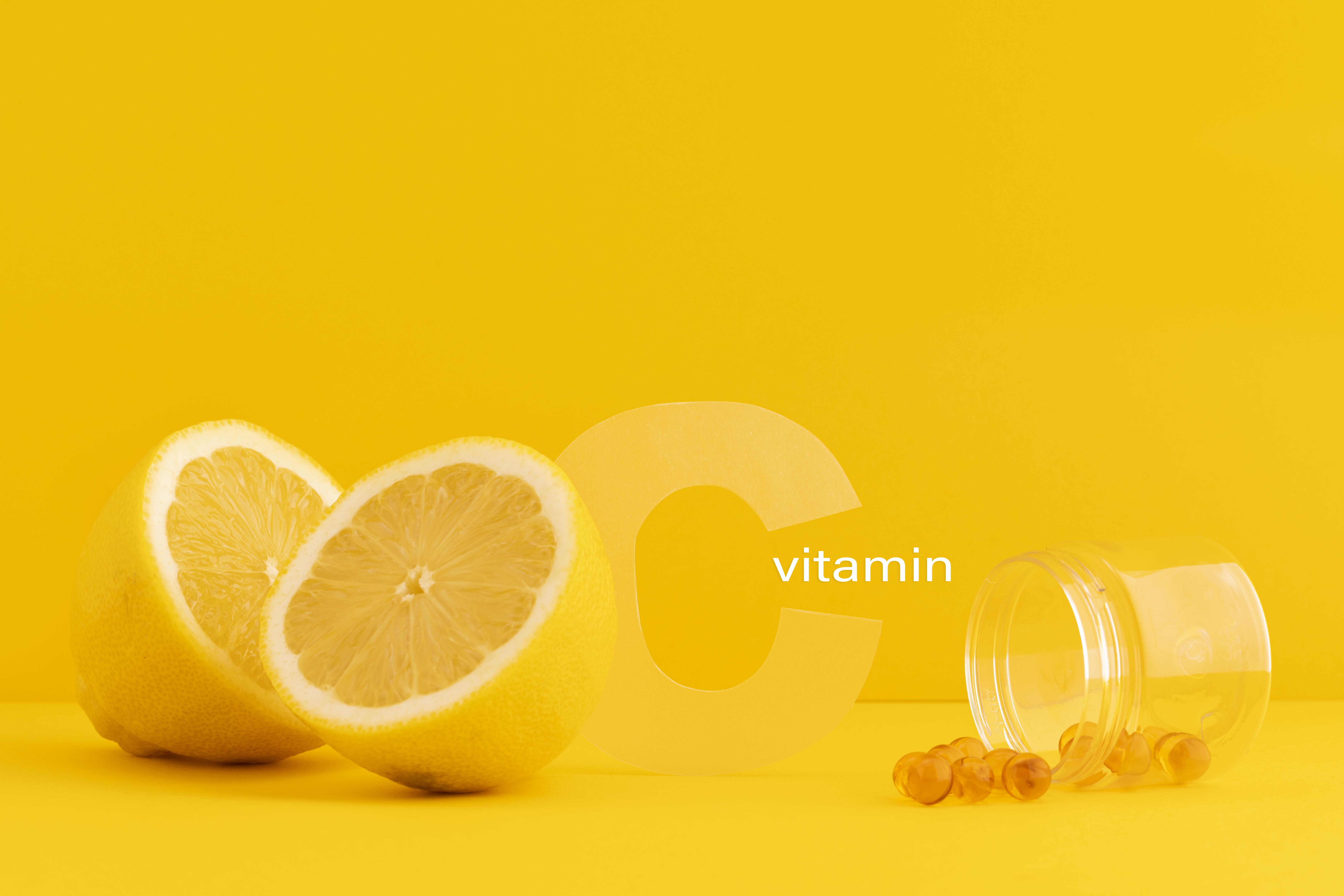
Vitamin C, or ascorbic acid, is a water-soluble vitamin that plays a key role in many essential body functions (like collagen production, iron absorption, and supporting the immune system).
In skincare, it’s especially loved for its antioxidant properties, which help neutralize free radicals, those unstable molecules created by sun exposure, pollution, and other external stressors that can damage our skin cells.
The Different Forms of Vitamin C in Skincare
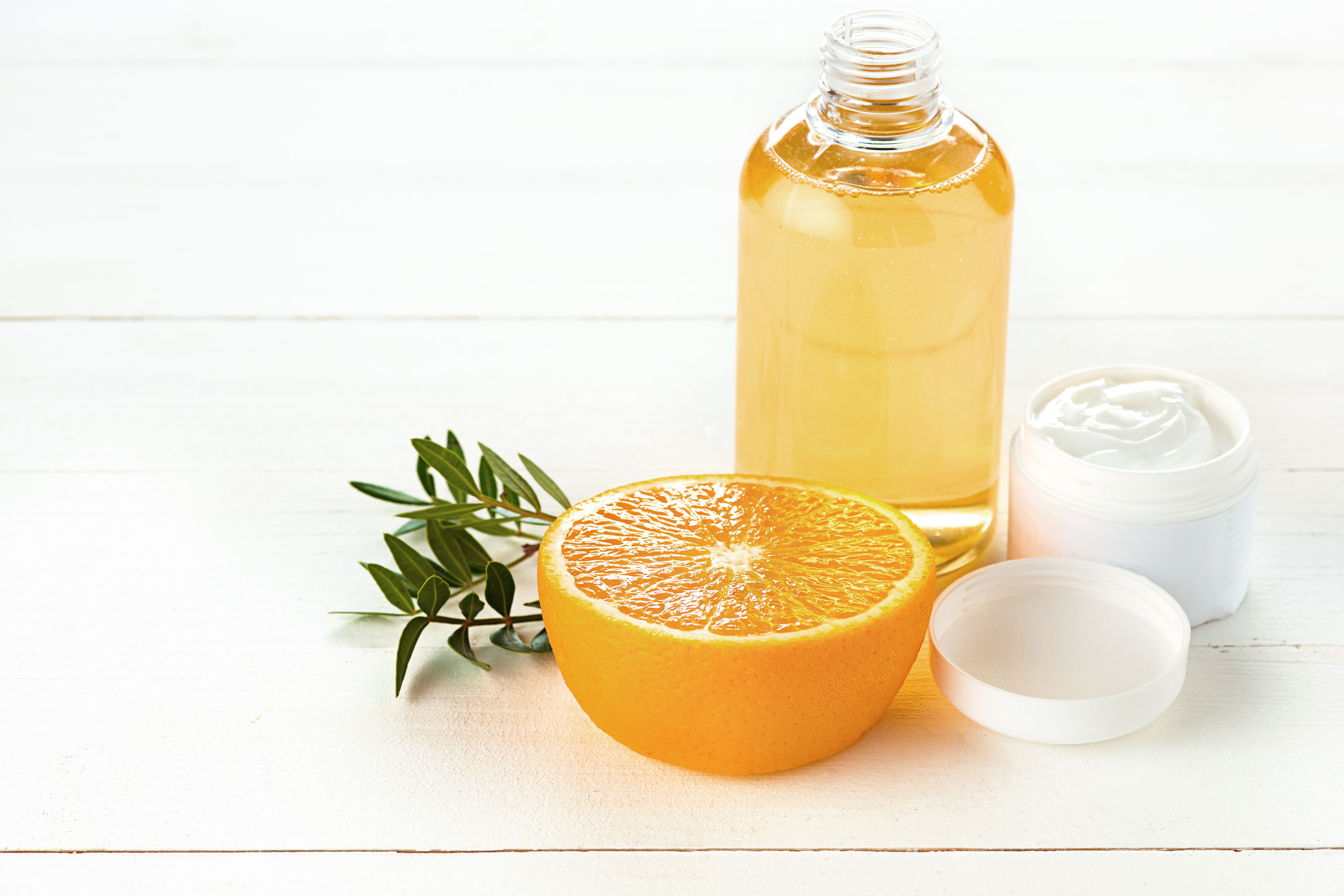
Vitamin C comes in various forms, each with its own benefits and levels of stability, which can affect its effectiveness and skin tolerance depending on your skin type. For example:
- L-ascorbic acid: a potent and well-studied form of Vitamin C, known for its antioxidant and brightening properties, but unstable and easily degrades when exposed to air, light, or heat.
- Sodium Ascorbyl Phosphate: a stable, water-soluble derivative that’s gentle on sensitive skin, converting into L-ascorbic acid upon absorption.
- Magnesium Ascorbyl Phosphate: hydrating and a mild formula, ideal for dry or reactive skin.
- Ascorbyl Glucoside and Ascorbyl Palmitate: stable forms combined with other actives, perfect for treating hyperpigmentation and brightening the complexion.
- Ethyl Ascorbic Acid: a stable form with excellent skin penetration, effective against dark spots.
- Tetrahexyldecyl Ascorbate (THDA) and Ascorbyl Tetraisopalmitate: stable, oxidation-resistant, oil-soluble forms that penetrate deeply into the skin, stimulate collagen, and provide antioxidant benefits.
- Sodium Ascorbate: a water-soluble derivative used for a mild antioxidant effect.
- Chromium Ascorbate: less common, used in specialized products for targeted antioxidant benefits (mature skin, restorative creams, anti-aging treatments).
These derivatives are often sought after for their improved stability, better absorption, or gentler effect on the skin.
Role as an antioxidant and collagen booster
Vitamin C in skincare mainly works as an antioxidant, fighting free radicals to prevent oxidative stress*. This helps fade signs of aging, such as fine lines and wrinkles, while also protecting the skin from damage. Plus, it boosts collagen production, a key protein that keeps the skin firm and elastic.
*Oxidative stress = it’s like rust attacking metal, but on the skin. This leads to premature aging, dark spots, and skin damage (such as dullness, redness, and sensitivity).
Main Benefits
- Brightening: Fades dark spots and evens out skin tone, leaving the skin glowing.
- Anti-aging: Reduces the appearance of fine lines and wrinkles by stimulating collagen production.
- Protection: Shields the skin from environmental damage, working in synergy with sunscreen for enhanced UV protection.
- Improvement in skin texture: Smooths out uneven areas and refines pores.
- Hyperpigmentation reduction: Targets melanin production to lessen acne scars, sunspots, and discoloration.
These multiple benefits make vitamin C a must-have for anyone looking for a radiant, youthful, and protected complexion.
The drawbacks of vitamin C

Although vitamin C has many benefits, incorporating it into your skincare routine can sometimes be quite a challenge. For some people, it’s as tricky as it is beneficial.
Application challenges
1. Difficulty in layering:
- Delicate combinations with Retinol, AHA/BHA (glycolic acid, salicylic acid)
- May destabilize with Niacinamide
- Requires properly formulated products to be effective
Finding a routine that works can take quite a bit of trial and error, which can be frustrating for beginners.
2. Oxidation issues:
- Vitamin C, especially in the form of L-ascorbic acid, oxidizes when exposed to light, air, or heat (some brands use opaque bottles to reduce oxidation as much as possible).
- Oxidation turns the product brown/yellow and reduces its effectiveness, sometimes even irritating the skin.
- Storing it in a cool, dark place can help limit oxidation, but it’s still inevitable, which means we often need to replace products more frequently.
Skin Reactions
1. Sensitivity Issues
- Tingling, irritation, redness, especially with the powerful form like L-ascorbic acid.
- Sensitive skin or those with a fragile skin barrier may find vitamin C a bit too harsh.
- Starting with lower concentrations or gentler derivatives like magnesium ascorbyl phosphate can help reduce these discomforts.
2. Pimples or Purging:
- This can be due to the acceleration of cell turnover or pore blockage if the formula is too rich.
- It usually lasts 2 to 4 weeks.
3. Increased sun sensitivity:
- Even though it has photoprotective properties, Vitamin C can increase sun sensitivity (even when paired with sunscreen). This paradoxical reaction can occur in cases of irritation or improper application.
Why I Tried Vitamin C?
When I decided to try Vitamin C, my main goals were to brighten my complexion, stimulate collagen production, and improve my skin’s protection against the sun. Dermatologists often recommend using it in the morning, before sunscreen, as it boosts its effectiveness against UV rays.
But my main concern was really to achieve a brighter complexion.
After going through a tough acne phase and trying several treatments, I eventually chose Accutane. It cleared up my acne, but I still had scars to deal with.
Additionally, I had struggled with rosacea in the past, which left me self-conscious about the redness in my skin, especially because I have fair skin. I was looking for a solution to combat dullness, pigmentation, and uneven skin tone—something that would give me that perfect, glowing complexion.
Expectations vs Reality
At first, I had high expectations because I had read so many great things about vitamin C and its benefits for brightening skin and tackling pigmentation. But honestly, my experience quickly turned into a disaster. I took all the precautions: my products were carefully stored away from light and heat. But still, I was super disappointed by how quickly the vitamin C oxidized. The two products I tried started degrading in just a few days, and it was so frustrating.
The worst part was, even when I applied vitamin C in the morning before heading to work, I ended up with orange stains on my collar and even on my trench coat. I’d apply it quickly, sometimes even in my pajamas before getting dressed, and after just three days, my clothes were already marked. It was so annoying that I started to doubt the practicality of using the product daily.
In the end, after reading several dermatologist reviews and finding studies online saying that vitamin C might not be essential for everyone, and that other factors also play a role in skin health, I decided to stop using it.
I mostly made this decision because the practical aspects became too much of a hassle for me. The rapid oxidation issues, even with all the precautions, and the stains on my clothes were just too much. I didn’t want to risk finding myself in such a frustrating situation with other forms of vitamin C, even if they’re less sensitive to oxidation. Unless proven otherwise, I’m not ready to give it another try, at least not under these conditions.
Quick heads-up: Although I mostly used L-ascorbic acid, there are plenty of other derivatives in skincare, like Tetrahexyldecyl Ascorbate (THDA), Ascorbyl Tetraisopalmitate, or Sodium Ascorbate. These versions are often more stable, better absorbed, or less irritating, and they might be better suited to your skin type and formulation. Even though I’ve stopped using vitamin C, these other options could really be worth trying for some of you (Let me know in the comments if you’ve tried any of the vitamin C forms that reduce side effects).
The Products I Tried
The products I used, often recommended (on social media and by dermatologists), promised to brighten the skin and fight signs of aging. They seemed perfect for my needs!
I tried two products during my experience with vitamin C:
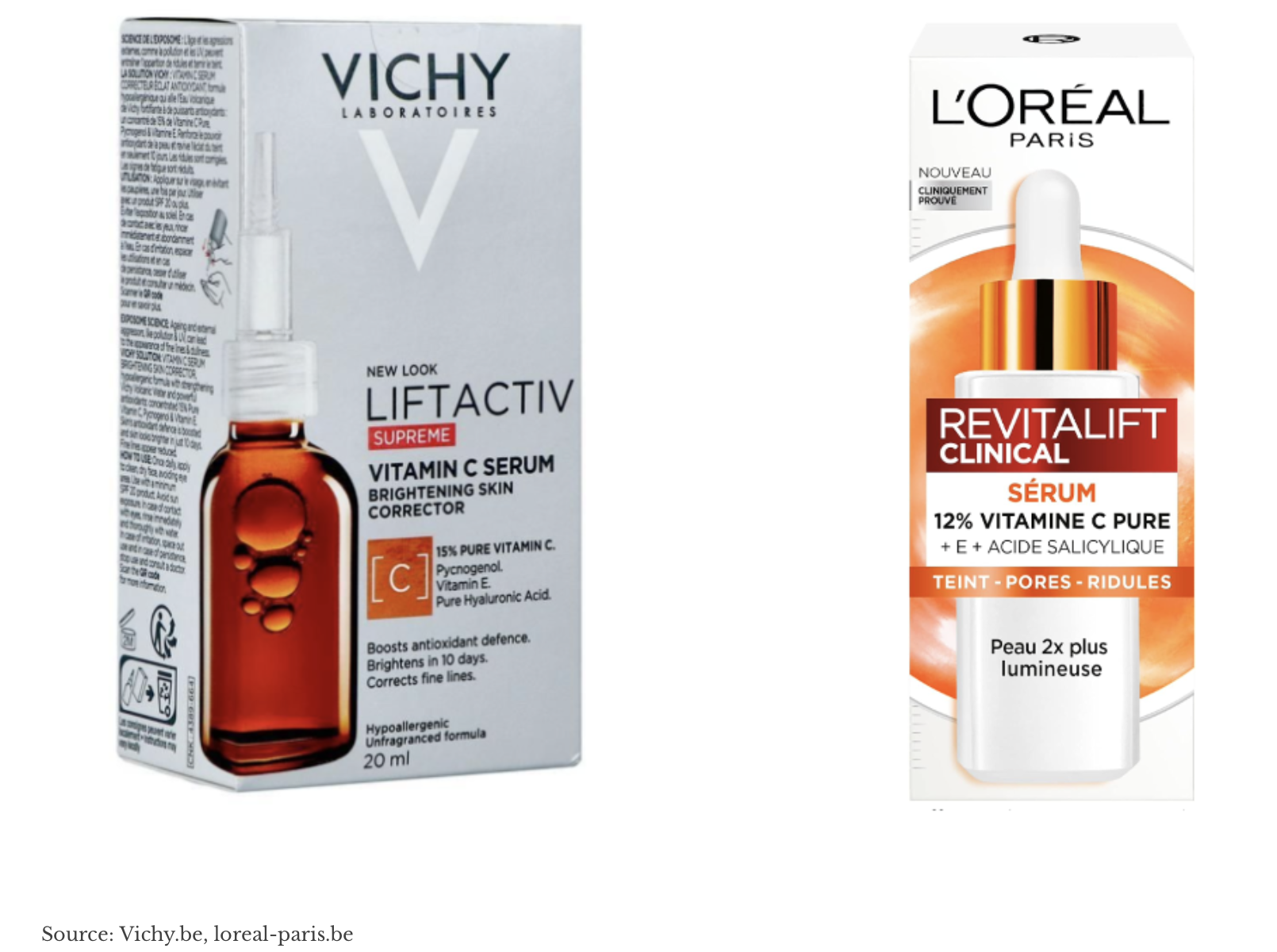
Vichy Liftactiv Supreme Vitamin C Serum 15% PURE ASCORBIC ACID, Pycnogenol, Vitamin E, and Pure Hyaluronic Acid.
L’Oréal Revitalift Clinical Vitamin C Serum 12% PURE ASCORBIC ACID, Vitamin E, and Salicylic Acid.
When a skincare product is labeled as containing “pure vitamin C,” it typically refers to Ascorbic Acid (L-Ascorbic Acid), the most potent and biologically active form of vitamin C.
This form is highly effective for stimulating collagen production, brightening the skin, and providing antioxidant protection.
However, Ascorbic Acid is notoriously unstable and prone to oxidation, especially when exposed to light, air, or heat. This can lead to a loss of effectiveness over time and even cause the product to turn brown. While it’s the preferred form for maximum potency, its instability presents a major challenge for skincare formulations.
Why is Vitamin E included in serums?
As you’ve probably noticed, both the Vichy Liftactiv Supreme Vitamin C and L’Oréal Revitalift Clinical Vitamin C serums share a common ingredient: Vitamin E.
I won’t go into detail about the other ingredients here (maybe a future post?), but it’s important to note that the combination of Vitamin C and Vitamin E isn’t a coincidence. These two vitamins work together to enhance each other’s benefits: they provide better antioxidant protection1, support collagen production, and improve skin texture.
Additionally, this pairing helps stabilize Vitamin C while reducing irritation, making the serum more effective and suitable for different skin types.
The benefits of combining Vitamin C and Vitamin E in skincare:
- Improved stability: Vitamin E helps stabilize Vitamin C, preventing oxidation and maintaining its effectiveness for longer.
- Enhanced antioxidant protection: Both vitamins work together to protect the skin from environmental damage, with Vitamin C targeting surface free radicals and Vitamin E acting deeper within the skin.
- Synergistic collagen support: Vitamin C stimulates collagen production, while Vitamin E helps reduce inflammation and supports the skin’s structure.
- Reduction of irritation: Vitamin E soothes any irritation caused by Vitamin C, making the combination gentler on the skin.
- Improved skin texture: Vitamin C brightens and reduces pigmentation, while Vitamin E hydrates and improves the skin’s texture, giving it a smoother, more radiant appearance.
Lessons learned from my experience with Vitamin C
Reflecting on my experience with Vitamin C, I realize that although I was hoping for a brighter complexion and better protection from environmental stressors, the real issue that led me to stop was the inconvenience. I wasn’t particularly sensitive to Vitamin C, but the rapid oxidation and stains on my clothes made its use incredibly frustrating.
Within just a few days, my serums would turn brown due to oxidation, and they left orange stains on my clothes, especially around the collar. It became a real hassle, as I had to be careful about what I wore (thankfully the stains came out in the wash).
Looking back, I also realized that Vitamin C might not have been as effective as I had imagined. According to some experts, Vitamin C isn’t always well absorbed by the skin. For example, an article from the BBC2 explains that pure Vitamin C struggles to penetrate the outer layer of the skin and degrades quickly in creams and serums. Dermamedics3 also points out that for it to be beneficial, Vitamin C must get through the skin’s protective barrier, which is not always easy. On the other hand, dermatologist Zoe Draelos4 argues that oral Vitamin C is much more effective for the body, suggesting that topical Vitamin C cannot replace dietary intake.
Additionally, research from the Harvard T.H. Chan School of Public Health5 indicates that the skin already contains high concentrations of Vitamin C naturally. This helps stimulate collagen production and protect against UV, which means there might be little added benefit from applying topical Vitamin C if we’re already getting enough from food or supplements.
Even though Vitamin C is a powerful antioxidant for the skin, as highlighted by the National Library of Medicine6, the effectiveness of topical products remains up for debate. Studies show that formulating stable and effective Vitamin C products to achieve consistent results is a challenging task.
Ingredients or Alternative Products That Worked for Me
After testing vitamin C and facing some frustrations, I found other ingredients that helped me achieve my goals without the drawbacks:
- Azelaic Acid: It has become my go-to ingredient for brightening and soothing my skin. Azelaic acid really does the job of evening out the skin tone, reducing spots, and calming redness, making it perfect for my sensitive skin with rosacea. I saw a quick improvement in my complexion, and I found it much gentler than vitamin C. It’s now a staple in my daily routine.
- Retinol: To boost collagen and reap the anti-aging benefits, I continued using retinol. It really helps renew the skin and improve its texture, and I find it works well with my other products like azelaic acid without causing irritation.
- Oral Vitamin C: Instead of layering multiple vitamin C serums, I prefer getting it directly from fruits and vegetables, which also provide antioxidants to support my skin from the inside out.
- And of course, sunscreen: It’s become a non-negotiable morning routine. It’s essential to protect my skin from future damage. I’ve realized that while vitamin C does enhance sun protection, it’s not essential for me, as I find that my sunscreen alone, combined with avoiding the hottest hours, is more than enough!
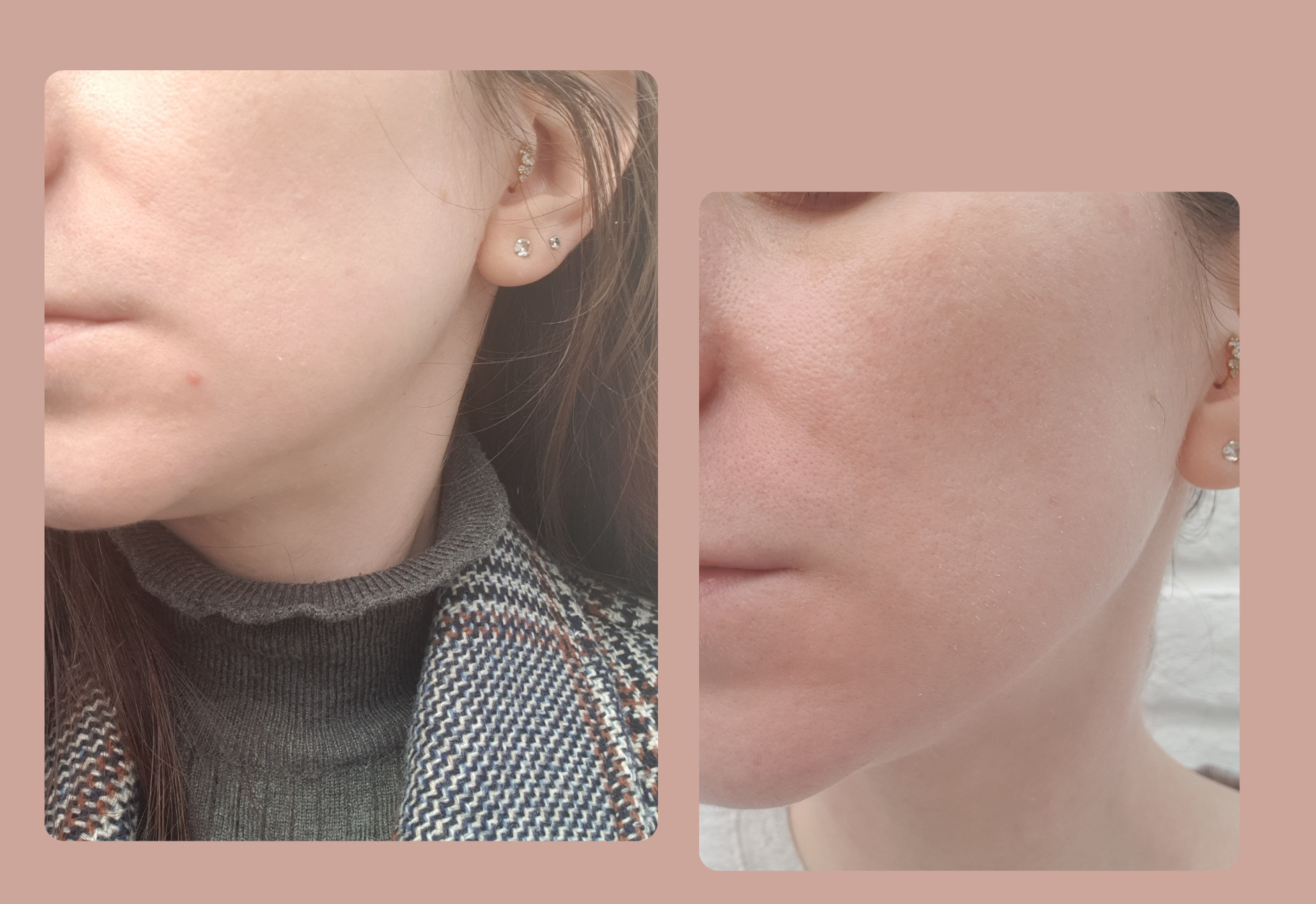
Azelaic acid has been a real game-changer for brightening and soothing my skin, and retinol still helps me stimulate collagen production and improve texture. As for vitamin C, I realized I can get its benefits directly through my diet without needing to add another serum. This experience reminded me that skincare doesn’t have to be complicated or overloaded with products. It’s all about listening to your skin, knowing what works for you, and making choices that fit your lifestyle.
I’m not saying vitamin C doesn’t work, it’s just that for me, it wasn’t worth the hassle. I’ve adopted a simpler, more thoughtful approach to my skin, one that aligns with my needs and everyday life. And in the end, that’s what made all the difference.
What about you? Have you ever had issues with vitamin C? Which products have really worked for you? Any tips for avoiding oxidation or stains? I’d love to hear your thoughts in the comments!
See you soon, Beautifully Moi!
- Source: National Library of Medicine; “Topical Vitamin C and the Skin: Mechanisms of Action and Clinical Applications“, 1 July 2017 ↩︎
- Source: “What can you absorb through your skin?” BBC article, 12 March 2024 ↩︎
- Source: DermaMedics; “Why is vitamin C so important for your skin?” ↩︎
- Source: “What can you absorb through your skin?” BBC article, 12 March 2024 ↩︎
- Source: Harvard T.H. CHAN; School of Public Health; The Nutrition Source; “Vitamin C“, article last reviewed March 2023 ↩︎
- Source: National Library of Medicine; “Topical Vitamin C and the Skin: Mechanisms of Action and Clinical Applications“, 1 July 2017 ↩︎
 Beautifully Moi
[…] English version here […]
LikeLike
[…] skincare routine, I don’t apply Vitamin C serum daily. As I mentioned in a previous article (link here), I’ve had some disappointments with Vitamin C serums: I often encountered issues with rapid […]
LikeLike