

- Understanding LaseMD: A Game-Changer in Dermatology
- How Does LaseMD Work?
- What Skin Concerns Can LaseMD Treat?
- What to Expect During a LaseMD Session
- Downtime and Recovery: What’s the Real Story?
- LaseMD vs. Other Laser Treatments: What Sets It Apart?
- Common Questions About LaseMD
- My Expectations
- The Importance of Sun Protection: A Lesson Learned
- Final Thoughts: Why LaseMD Is Worth Considering
When my dermatologist analyzed my skin using the Visia Facial Analysis, one image stood out: the UV spots photo. Seeing the sun damage hidden beneath the surface was a wake-up call.
While my skincare routine with tretinoin and azelaic acid had made progress, it was clear I needed a deeper treatment to address issues like skin texture, UV damage, and overall rejuvenation. That’s when the dermatologist introduced me to LaseMD, a non-invasive laser treatment designed to address these concerns effectively.
Curious and hopeful, I decided to explore this treatment further.
Understanding LaseMD: A Game-Changer in Dermatology
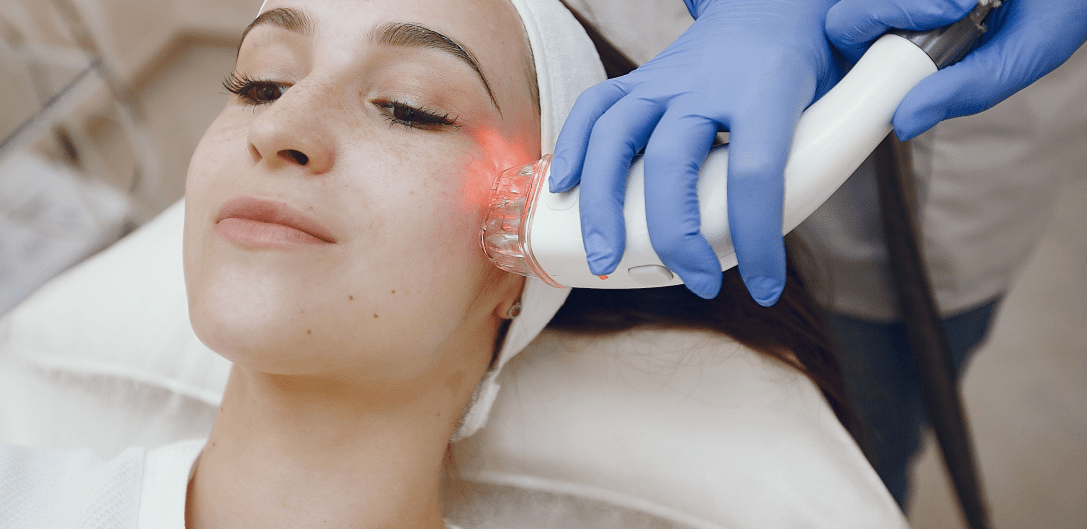
LaseMD is a cutting-edge fractional laser treatment that focuses on revitalizing the skin by creating microchannels in its surface. Unlike more aggressive lasers like CO2 or erbium lasers, LaseMD offers a gentler yet highly effective approach to skin repair. It’s an excellent option for people seeking noticeable improvements without prolonged downtime.
The technology is versatile, addressing various concerns, from fine lines and pigmentation to acne scars and texture issues. What’s unique about LaseMD is its ability to pair with specialized serums that penetrate deeply through the microchannels, enhancing the skin’s absorption of active ingredients like vitamin C, retinol, tranexamic acid, or resveratrol.
How Does LaseMD Work?
The treatment begins with the laser creating microscopic channels in the skin. These channels act as pathways, allowing active serums to penetrate deeply. This dual action promotes collagen production, accelerates cellular turnover, and boosts the skin’s natural healing processes. Here’s a breakdown of the process:
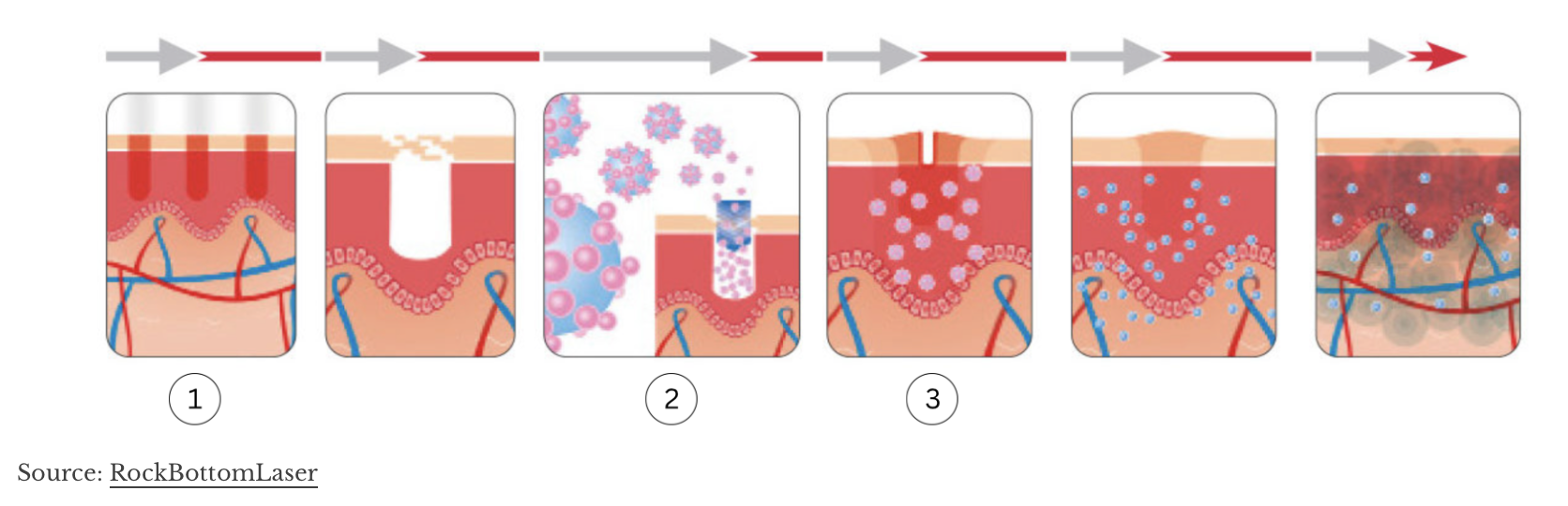
1. Fractional Laser Technology: Unlike ablative lasers, LaseMD’s fractional approach treats a fraction of the skin’s surface at a time, making it less invasive and more comfortable.
The laser creates tiny channels in the skin while preserving the outer surface, allowing active ingredients (such as skincare ingredients) to penetrate more easily and precisely into the deeper layers of the skin.
2. Active Ingredients:1 The treatment is often combined with ampoules of active ingredients tailored to specific concerns, ensuring a customized experience. LaseMD’s advanced ampoule system includes:
- VC Ampoule (Ascorbic Acid): Vitamin C is one of the most powerful natural antioxidants. It helps rejuvenate sun-damaged skin and combats photoaging by promoting healthy collagen structures. This makes the skin appear younger and healthier.
- VA Ampoule (Retinol): Vitamin A, particularly in the form of retinoic acid, is a proven agent in reversing signs of skin aging. It enhances skin renewal by activating and regulating genes that support the differentiation of basal layer keratinocytes into mature, healthy epidermal cells.
- TA Ampoule (Tranexamic Acid): Originally used in systemic treatments for wound healing after plastic surgery, tranexamic acid was found to have skin-lightening properties. It’s now widely used to address conditions like melasma and other pigmentation issues.
- RS Ampoule (Resveratrol): This ampoule contains high-purity (95%) resveratrol, a natural polyphenol delivered in nanoparticle form with low-molecular-weight hyaluronic acid. The resveratrol content in one RS ampoule is nearly equivalent to that in 500 bottles of wine. It protects the skin from UV-induced carcinogenesis and photoaging while enhancing hydration and repair.
The micro-channels allow the active ingredients of the ampoules to penetrate deeply, thus optimizing their effects.
3. Post-Treatment Repair: As the skin heals, it becomes firmer, smoother, and more radiant, with visible improvements in texture and tone.
Curious to dive deeper into retinoids?
Get my 32-page beginner-friendly retinoid guide for free when you subscribe (here), or grab it anytime on Gumroad for just €4.90 (here)!
What Skin Concerns Can LaseMD Treat?
LaseMD is a versatile solution for various skin concerns, including:
- Sun Damage and Pigmentation: Reduces visible and underlying pigmentation caused by UV exposure. There’s also an interesting study about using LaseMD specifically for treating Riehl’s melanosis, a type of pigmented contact dermatitis. The study highlights how the non-ablative 1927 nm fractional thulium fiber laser showed promising results for this challenging condition.2
- Fine Lines and Wrinkles: Stimulates collagen to soften fine lines and improve skin elasticity.
- Acne Scars and Texture Irregularities: Smooths out uneven skin texture and diminishes the appearance of scars.
- Preventative Anti-Aging: Helps maintain youthful skin by boosting cellular turnover and collagen production.
What to Expect During a LaseMD Session
Here in Belgium, before starting the treatment, you’re required to sign a consent form. It includes all the essential information about the procedure, potential side effects, risks, and other key details.
Here’s what a typical LaseMD session looks like:
- Preparation: The skin is thoroughly cleansed, and a numbing cream is applied if necessary.
- Laser Application: The dermatologist uses the laser to treat the skin, which takes about 20-30 minutes. Patients may feel a slight warmth or tingling sensation.
- Post-Treatment Serums: Tailored active serums are applied to maximize the treatment’s benefits.
- Recovery: A soothing cream is applied, and sunscreen is recommended immediately after the session.
The procedure is quick and relatively painless, with most patients describing the sensation as mild discomfort at most.
Downtime and Recovery: What’s the Real Story?
One of LaseMD’s most appealing features is its minimal downtime. While you may experience redness and mild peeling for 2-3 days, the recovery process is manageable. Post-treatment care includes:
- Avoiding harsh skincare products like retinoids or acids for a week.
- Keeping the skin hydrated with gentle moisturizers.
- Wearing sunscreen religiously to protect the skin from further damage.
Visible improvements often appear within a week, with optimal results emerging after 2-3 sessions. In the meantime, while I go through the treatment myself and share my experience in a future post, you can check out personal stories from others on Reddit here
LaseMD vs. Other Laser Treatments: What Sets It Apart?
LaseMD stands out for its unique combination of effectiveness and minimal invasiveness. Here’s how it compares:
- CO2 Laser: While CO2 lasers are more powerful and effective for deep scars, they involve significant downtime and discomfort.
- Microneedling: Both treatments create microchannels, but LaseMD uses laser energy, making it more precise and versatile.
- IPL: IPL is effective for pigmentation but less impactful for texture and collagen stimulation.
For those seeking a balance between results and recovery time, LaseMD is an ideal choice.
Common Questions About LaseMD
Here are some frequently asked questions:
- Is it painful? Most patients report minimal discomfort, often described as warmth or tingling.
- How many sessions are needed? Typically, 3-5 sessions spaced a month apart yield optimal results.
- Is it safe for sensitive skin? Yes, LaseMD is suitable for all skin types, including sensitive skin.
- What is the cost? The price varies but generally ranges from 300€ to 700€ per session. At the clinic I visited, the cost for a full-face treatment was between 300€ and 400€. While I’m not sure if sharing exact prices online is appropriate, I believe providing this range gives you a helpful reference.
My Expectations
I haven’t started my sessions yet, but I am really excited to try this treatment. What I like most is that it can target both my UV spots and my skin texture, all while having a very short recovery time.
I’m expecting a lot from this treatment, especially in terms of my skin texture. The spots aren’t visible to the naked eye, except for a few brown spots, but I would love for them to disappear. I’m also hoping that the deeper spots will fade as well.
My skin texture, due to persistent acne, and my sebaceous hyperkeratoses are my biggest concerns. Collagen stimulation is also an important goal for me.
My dermatologist told me that it could improve after one or two sessions, and I can’t wait to see the results. I promise I’ll share everything soon to show you how my skin evolves!
(My experience coming soon on the blog!!)
The Importance of Sun Protection: A Lesson Learned
Thinking back to my vacation in Turkey, where I didn’t even think about wearing sunscreen, I now realize how harmful the sun can be for the skin. The photo of the UV-related spots deeply impacted me, and it serves as a real warning for everyone: it’s essential to protect your skin, especially when you’re a child!
Even though today, technology has advanced so much that it’s possible to repair skin damage, it’s always better to prevent than to cure. Protecting your skin from the start helps avoid paying a lot for repairs in the long run.
Final Thoughts: Why LaseMD Is Worth Considering
LaseMD offers a promising solution for those looking to enhance their skin’s health and appearance. From treating sun damage to improving texture, it’s a versatile treatment backed by science. If you’re considering LaseMD, consult with a dermatologist to determine if it’s right for your skin goals. I’ll be sharing updates on my journey, so stay tuned for more insights!
See you soon, Beautifully Moi!
 Beautifully Moi
[…] English version here […]
LikeLike
[…] However, she also explained that to achieve long-lasting results, a deeper treatment would be necessary. Given my acne history and my previous experience with peeling, it’s clear that my skin needs more powerful treatments to improve its texture and address persistent skin issues. She recommended LaseMD. […]
LikeLike
[…] Update: I went to the dermatologist, you can read the full diagnosis of my skin here and the treatments she recommended me here […]
LikeLike