- What is a Skincare Active and How It Works
- Exfoliating Acids for Clear, Smooth, Acne-Prone Skin
- Hydrating Skincare Ingredients That Plump and Soften Skin
- Repairing Actives to Strengthen the Skin Barrier
- Skincare Vitamins for Radiance, Protection, and Anti-Aging
- Anti-Aging Actives That Firm and Smooth Skin
- Soothing Actives to Calm and Balance the Skin
- Skincare Antioxidants That Protect and Brighten Skin
- Probiotics and Fermented Ingredients to Balance Skin
- Natural Actives That Soothe and Brighten Skin
- Purifying Actives to Cleanse and Detoxify Skin
- Collagen, Natural Actives, and Retinol: Little Reminder
What is a Skincare Active and How It Works
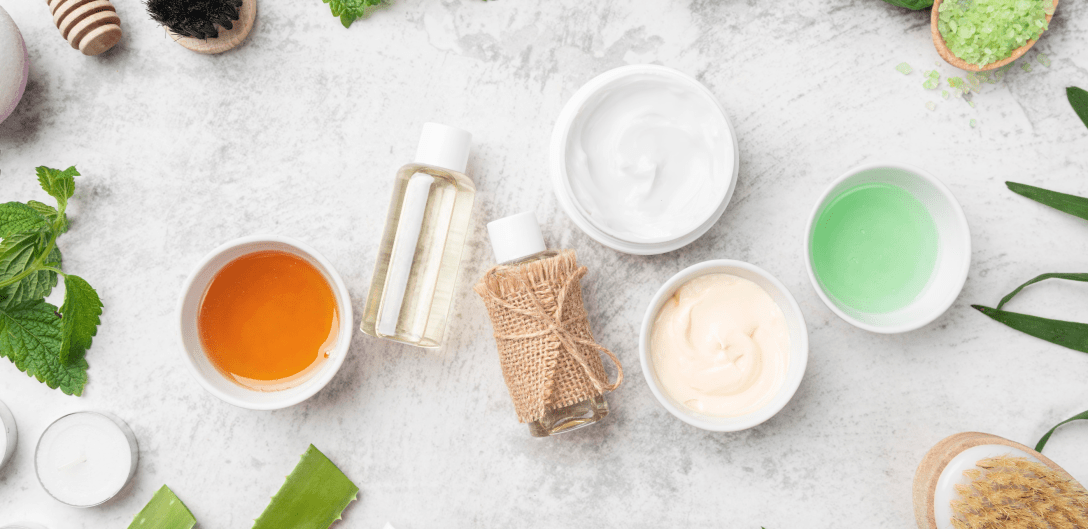
An active ingredient is the part of a product that actually does something for your skin.
It’s what hydrates, exfoliates, repairs, protects, or targets a specific concern (like acne, dark spots, wrinkles, or redness).
For example:
- Some actives exfoliate and smooth the skin → AHA, BHA…
- Others hydrate and strengthen the skin barrier → glycerin, ceramides…
- Some stimulate collagen production → peptides, retinoids…
- And others protect and brighten → vitamins, antioxidants, natural extracts.
Other ingredients you find in skincare, like water, alcohol, neutral oils or fragrance, mostly act a carriers.
They help the product stay stable, pleasant to use, and help the actives penetrate better.
For instance:
- Water dilutes the actives and helps them spread evenly on the skin.
- Alcohol can make the texture lighter or help preserve the formula.
- Fragrance adds a nice scent but doesn’t have any skincare effect.
- Silicones or neutral emollients give that smooth, soft feeling on the skin.
In short: Carriers make the product work, but it’s the actives that really make a difference on your skin.
The idea is to understand which actives are right for you, so you can pick the right products without falling for fancy packaging or marketing promises.
Now that we know what an active is, let’s take a look at the main families of skincare actives and what they actually do for your skin.
Exfoliating Acids for Clear, Smooth, Acne-Prone Skin
What Are Exfoliating Acids and How Do They Work?
These are molecules that remove dead skin cells from the surface of your skin. They help smooth texture, boost radiance, and unclog pores.
Some are gentler, others more powerful, it all depends on the type of acid and your skin type!
| Type of active | What it does | Best for |
| AHA (glycolic, lactic, mandelic, citric, malic, tartaric) | Smooths skin texture, brightens, adds glow. | Normal, combination, dry, or sensitive skin (depending on the AHA). |
| BHA (salicylic acid) | Deep cleans pores, fights breakouts, anti-inflammatory, regulates sebum. | Oily or acne-prone skin. |
| PHA (gluconolactone, lactobionic acid) | Gentle exfoliation, hydration, protects the skin barrier. | Sensitive or reactive skin. |
| Azelaic acid | Anti-breakouts, anti-dark spots, reduces redness. | Acne-prone or rosacea-prone skin. |
| Kojic acid / Tranexamic acid | Brightening, fades dark spots and uneven tone. | Skin with hyperpigmentation or uneven complexion. |
Hydrating Skincare Ingredients That Plump and Soften Skin
What Are Hydrating Actives and Why Use Them?
These are ingredients that bring or retain water in the skin and help repair the skin barrier.
They’re essential for keeping your skin soft, balanced, and protected.
Without proper hydration, even the best active ingredients can’t do their job effectively.
These actives are generally great for all skin types, especially dry or dehydrated skin, and they’re super important to use after stronger actives (like acids or retinol).
| Type of active | What it does | Best for |
| Hyaluronic acid | Plumps the skin and locks in moisture. | All skin types. |
| Amino acids (Glycine, Alanine, Glutamine / Glutamic acid, Arginine, Serine, Lysine, Histidine) | Repair and support the skin barrier. | Dry or sensitive skin. |
| Linoleic acid (an essential fatty acid, part of the omega-6 family, found in plant oils) | Nourishes, hydrates, repairs, and balances sebum. | Dry or acne-prone skin. |
| Pantothenic acid (vitamin B5) | Soothes, repairs, and hydrates. | Irritated skin. |
| Urea | Deeply hydrates and smooths roughness. | Dry, rough, or atopic skin. |
| Glycerin | Humectant — draws and retains water in the skin. | All skin types. |
| Beta-glucan | Hydrates and soothes. Strengthens the barrier, reduces inflammation, and stimulates collagen production. | All skin types, especially sensitive skin. |
Repairing Actives to Strengthen the Skin Barrier
What Are Repairing Actives and How Do They Work?
These are ingredients that reinforce the skin’s structure, repair damage, or stimulate certain skin functions.
They’re often found in anti-aging products, barrier-repair creams, or soothing treatments.
Super useful for sensitive, reactive, or damaged skin, and also after overusing strong actives (like acids or retinoids).
| Type of active | What it does | Best for |
| Ceramides | Strengthen the skin barrier and lock in moisture. | Dry or fragile skin. |
| Niacinamide (vitamin B3) | Balances oil, reduces redness, brightens, and improves pores and texture. | All skin types, especially sensitive or combination skin. |
| Peptides | Stimulate collagen and elastin, improve firmness, and support anti-aging. | Mature or tired skin. |
Skincare Vitamins for Radiance, Protection, and Anti-Aging
What Are Vitamin Actives and Their Benefits?
These are “protective and boosting” actives.
They protect the skin from oxidative stress, add glow, and stimulate cell renewal, basically helping your skin look fresher, stronger, and more even.
| Type of active | What it does | Best for |
| Vitamin C (ascorbic acid) | Brightens, fades dark spots, boosts collagen, and acts as an antioxidant. | All skin types. |
| Vitamin E (tocopherol) | Nourishes, protects, and has strong antioxidant benefits. | All skin types. |
| Vitamin A / Retinoids | Smooth fine lines, renew the skin, and even out tone. | All skin types, especially mature or acne-prone skin. |
| Vitamin B5 / Panthenol | Repairs and hydrates deeply. | Dry or irritated skin. |
| Vitamin F (essential fatty acids) | Strengthens the skin’s lipid barrier. | Dry or fragile skin. |
Anti-Aging Actives That Firm and Smooth Skin
What Are Anti-Aging Actives and How Do They Work?
These are actives that stimulate cell renewal and strengthen the skin’s structure.
They help prevent sagging, reduce wrinkles, and keep the skin firm, smooth, and bouncy.
Who Should Use Anti-Aging Actives?
For mature skin, skin with loss of firmness, or anyone looking for anti-aging prevention.
| Type of active | What it does |
| Retinol / Retinoids | Smooth wrinkles and refine skin texture. |
| Peptides | Support collagen production and improve firmness. |
| Collagen / Elastin | Hydrate and give the skin a plumper, more supple look. |
| Adenosine / EGF (Epidermal Growth Factor) | Boost cell renewal and promote skin regeneration. |
Soothing Actives to Calm and Balance the Skin
What Are Soothing Actives and How Do They Work?
These are calming and repairing actives that help your skin regain comfort, especially after strong treatments or irritation.
They reduce redness, soothe tightness, and strengthen the skin’s tolerance over time.
Who Should Use Soothing Actives?
For sensitive, irritated skin, or to use after exfoliating or retinoid treatments.
| Type of active | What it does |
| Centella Asiatica (Cica) | Healing and redness-reducing. |
| Allantoin / Bisabolol | Soothe and soften the skin. |
| Zinc / Copper / Manganese | Calm, purify, and strengthen the skin. |
| Calendula, Chamomile | Natural anti-irritation and soothing ingredients. |
Skincare Antioxidants That Protect and Brighten Skin
What Are Antioxidants and How Do They Benefit Skin?
Antioxidants are true skin shields. They neutralize free radicals caused by pollution, stress, or UV exposure – the main culprits of premature aging and dull complexion.
They restore radiance, vitality, and protection to your skin, and can easily fit into any routine, especially for skin exposed to urban life.
| Type of active | What it does | Best for | Antioxidant strength |
| Vitamin C (Ascorbic Acid) | Brightens, stimulates collagen, protects against UV and pollution. | All skin types, especially dull or spot-prone. | High |
| Green Tea (Camellia Sinensis) | Soothing antioxidant, regulates sebum, protects against oxidative stress. | Combination to oily, sensitive skin. | Medium to high |
| Astaxanthin (carotenoid pigment) | Ultra-powerful antioxidant, protects from photo-aging, gives glow. | Mature, dull, sun-exposed skin. | Very high |
| Caffeine | Tones, decongests, boosts microcirculation for a fresh, radiant look. | Tired, dull skin, dark circles. | Low to medium |
| Berry extracts (acai, blueberry, cranberry) | Rich in polyphenols, revives radiance, protects from free radicals. | Young, dull, tired skin. | Medium |
| Vitamin E (Tocopherol) | Protects the lipid barrier, nourishes, strengthens skin against pollution. | Dry, mature skin. | High |
| Niacinamide (Vitamin B3) | Improves radiance, fades dark spots, strengthens the skin barrier. | All skin types, even sensitive. | Medium |
| Coenzyme Q10 (Ubiquinone) | Restores cellular energy, prevents premature aging. | Mature, stressed, dull skin. | Medium to high |
| Resveratrol (natural polyphenol, plant-derived molecule protecting against stress) | Antioxidant + anti-inflammatory, improves elasticity and brightness. | Mature or urban-exposed skin. | Very high |
| Turmeric (Curcumin) | Brightens, soothes redness, fights inflammation. | Dull, sensitive, spot-prone skin. | Medium to high |
Probiotics and Fermented Ingredients to Balance Skin
What Are Probiotic and Fermented Actives?
These are actives derived from fermentation that help strengthen the skin’s microbiome (the good bacteria living on your skin).
They rebalance, soothe, and make the skin more resilient against external aggressions.
Who Should Use Probiotic and Fermented Actives?
For dull, tired, unbalanced, or sensitized skin.
| Type of active | What it does |
| Fermented extracts / Kombucha | Antioxidant, balances the skin, boosts radiance. |
| Galactomyces / Bifida ferment | Strengthen the skin barrier. |
| Lactobacillus ferment | Soothes and protects the skin’s microbiome. |
Natural Actives That Soothe and Brighten Skin
What Are Natural Actives and How Do They Work?
These are plant-based or natural ingredients, rich in antioxidants and minerals. They soothe, nourish, and gently brighten the skin, while enhancing its natural radiance.
Who Should Use Natural Actives?
For normal to sensitive skin, or to complement a more active skincare routine.
| Type of active | What it does |
| Honey / Propolis / Royal Jelly (bee-derived ingredients) | Hydrate, heal, antibacterial, nourishing, and repairing. |
| Turmeric / Licorice | Anti-dark spots and anti-inflammatory. |
| Rose / Hibiscus / Pomegranate | Brightening and softening. |
| Aloe Vera | Universal hydrator and soother. Perfect after sun exposure! |
Purifying Actives to Cleanse and Detoxify Skin
What Are Purifying Actives and How Do They Work?
These are ingredients that absorb excess sebum and deeply clean pores. They help the skin stay clear, fresh, and balanced without over-drying.
Who Should Use Purifying Actives?
For oily, combination, or blemish-prone skin.
| Type of active | What it does |
| Clay (kaolin, bentonite) | Absorbs impurities and purifies the skin. |
| Activated charcoal | Detoxifies pores. |
| Sulfur / Zinc / Azelaic Acid | Fights breakouts and balances the skin. |
Collagen, Natural Actives, and Retinol: Little Reminder
Natural Actives: Soothing, Hydrating, and Antioxidant
- For the skin, not for drinking.
- Used for their soothing, hydrating, and antioxidant properties.
- Even if they exist in edible form, cosmetic versions are formulated to act locally on the skin.
Collagen and Elastin: Hydrating and Plumping
- Applied topically: hydrate and visually plump the skin.
- Taken orally (supplements): effects are still debated and not equivalent to topical skincare.
- Topical collagen doesn’t penetrate deeply, but it supports smooth and supple appearance.
Retinol / Retinoids: Cell Renewal and Anti-Aging
- A form of vitamin A that stimulates cell renewal and collagen production.
- It can be considered both a vitamin and an anti-aging active.
- Use at night, gradually, with good hydration and sun protection during the day.
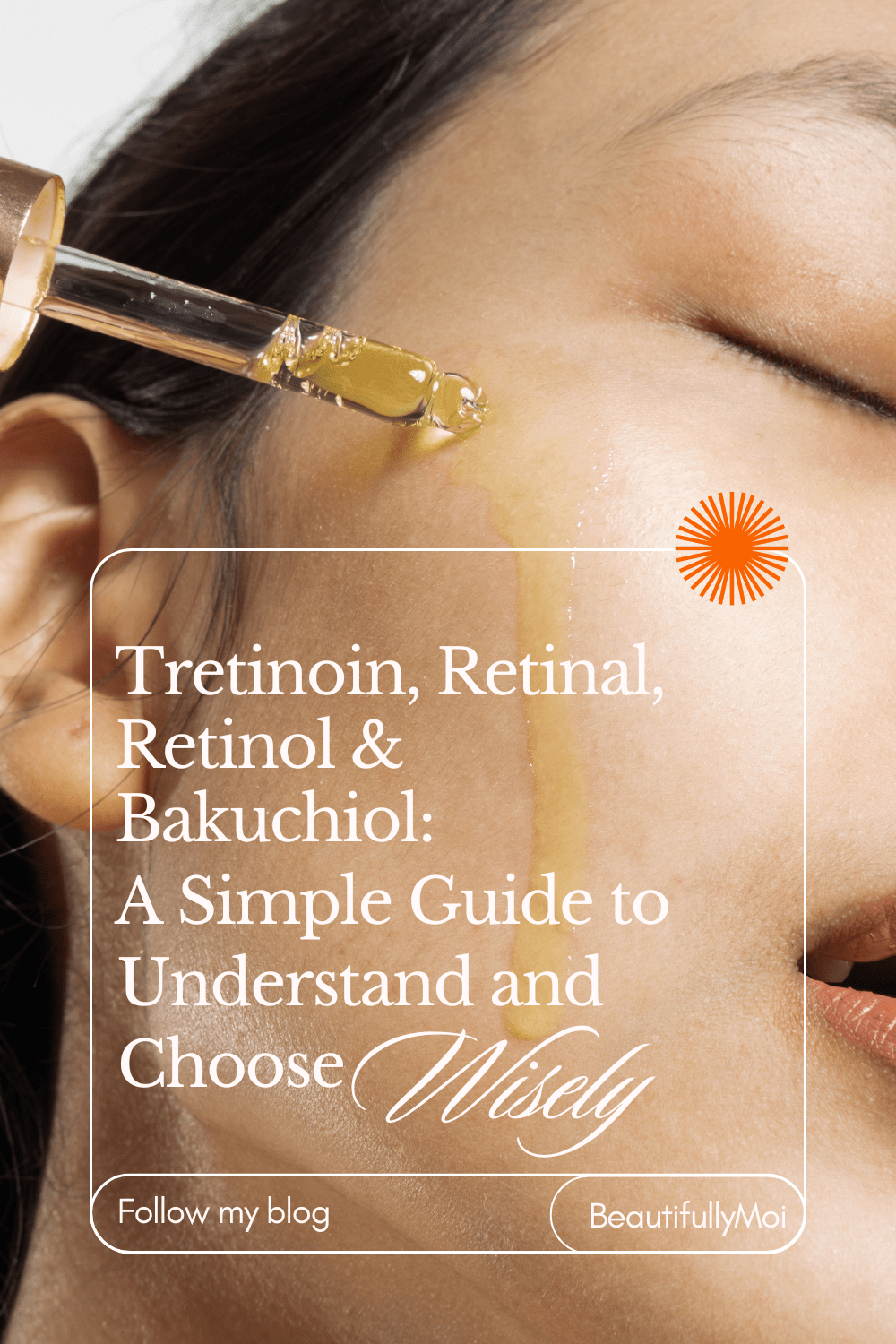
For those curious to go further, I’ve created a 32-page e-book about retinoids, retinol, and bakuchiol, with all the tips and routines to choose and use these powerful actives properly.
→ It’s super clear and easy to follow! Available now in digital format on Gumroad for €4.90
→ Or for free by subscribing to my blog here!
There you go! You now have an overview of the main skincare actives and what they actually do for your skin.
I’ve tried to be as complete as possible, but also simple and clear, so you can understand easily and quickly find what interests you.
It’s possible I’ve missed a few acids or other ingredients. If so, or if you want to share your favorite active, leave a comment! I’ll update the list so everyone benefits.
Remember: knowing your actives is the key to choosing the skincare that really suits your needs — instead of relying on pretty packaging or marketing promises.
And if you want to go deeper into retinol, retinoids, and bakuchiol, my 32-page e-book will guide you step by step.
See you soon,
Beautifully Moi
 Beautifully Moi
[…] English version here […]
LikeLike