


- What are Undertones?
- The Science Behind Undertones
- The Importance of Undertones in Clothing
- Tips to find Your Undertone
- My Frustration with Finding my Undertone
Ever had trouble figuring out your undertone? It’s a common thing in fashion. Undertones are those subtle colors under your skin that affect which clothes look best on you. They’re usually grouped into cool, warm, or neutral categories to help you choose the right colors.
But what if you don’t fit neatly into one category? Despite what experts say, some of us seem to like both cool and warm colors. It’s a bit confusing, isn’t it?
I’ve been through it too. Even though they say I have a cool undertone, I also look good in warm colors. It’s like a mystery!
I’ve tried the usual tricks like checking my wrist veins or seeing how different jewelry metals look on me, but I still can’t figure it out. In theory, I don’t fit into the neutral category as I am very pale with blue veins. But, maybe I’m one of those pale people with a mix of cool and warm undertones?
And it’s not just clothes that confuse things. Accessories do too. Even though they say I should stick to silver, I rock gold accessories just fine. It’s all a bit weird, isn’t it?
But you know what? That’s okay. Fashion isn’t about fitting into boxes. It’s about expressing yourself. So, whether I’m wearing cool blues or warm oranges, I’m happy with my style.
If you’re going through the same thing, don’t worry. Fashion is about having fun and trying new things. Embrace the mystery, play around with different colors, and just be yourself. After all, the best fashion statement is the one that shows who you really are.
So, what exactly are undertones, and how do they differ from your skin tone and surface tone?
What are Undertones?

Do you have the impression that certain colors make your skin glow while others seem to wash you out? It all comes down to undertones, the shades hiding beneath the surface of your skin. Understanding your undertone is like unlocking the secret to effortlessly chic fashion and flawless makeup.
Undertones are like the subtle hints of color that peek through and influence how colors interact with you. Undertones are typically grouped into three categories: cool, warm, and neutral.
Cool undertones are like a soft whisper of pink, red, or blue beneath your skin. If you tend to burn rather than tan and look amazing in jewel tones, you probably have cool undertones.
Warm undertones, on the other hand, bring a sunny warmth with hints of yellow, peach, or gold. Think of that golden glow you get when you catch the sun, that’s warm undertones at work. If earthy tones and rich oranges light you up, you likely have warm undertones.
Then there’s neutral undertones, the chameleons of the bunch. A perfect balance of warm and cool hues. If you find yourself looking fabulous in both cool and warm colors, you might just be one of the lucky ones with neutral undertones.
The Science Behind Undertones

“The Science Behind Undertones” delves into the fascinating world of how our skin’s natural pigments influence the colors that look best on us.
At the heart of it all is melanin, the pigment that gives our skin its color. Depending on the amount and distribution of melanin, our skin can have warm, cool, or neutral undertones. It’s like a built-in color palette, influencing how different shades interact with our skin.
But melanin isn’t the only player in the game. Our skin also contains other pigments, like hemoglobin and carotene, which add another layer to the undertone puzzle. Hemoglobin, found in our blood vessels, can pull undertones towards cooler shades, while carotene, responsible for that golden glow, leans towards warmer tones.
And then there’s lighting, the ultimate wild card in the undertone equation. Natural sunlight, fluorescent bulbs, incandescent lights; they all cast different tones on our skin, affecting how colors appear. That’s why your favorite top might look amazing in your bathroom mirror but completely different in the office lighting.
Understanding the science behind undertones isn’t just fascinating, it’s empowering. It helps us make smarter choices when it comes to choosing clothes, makeup, and even hair color. By knowing our undertones and considering lighting conditions, we can ensure that we always look and feel our best, no matter the setting.
So, the next time you’re picking out an outfit or testing out a new lipstick shade, remember the science behind undertones. It’s like having your own personal color consultant, guiding you towards choices that enhance your natural beauty and make you shine.
The Importance of Undertones in Clothing

Understanding undertones, it’s the key to unlocking a wardrobe that not only looks good but makes you feel fabulous every time you step out the door.
Just like the right makeup shade can brighten your complexion, the right clothing colors can do wonders for your overall appearance. When you wear colors that complement your undertone, they can enhance your natural features, making your skin look radiant and your eyes pop. Whether you’re rocking a vibrant red or a cool-toned blue, the right undertone can take your outfit from ordinary to extraordinary.
If you feel that an outfit does not enhance your natural beauty, then chances are the colors weren’t playing well with your undertone.
Understanding your undertone allows you to create cohesive and harmonious outfits that enhance your appearance. Choosing colors that match your undertone ensures a neat and polished appearance. Conversely, colors that clash with your undertone can make your skin appear dull or yellowish, or even accentuate imperfections, thus compromising your look.
Tips to find Your Undertone
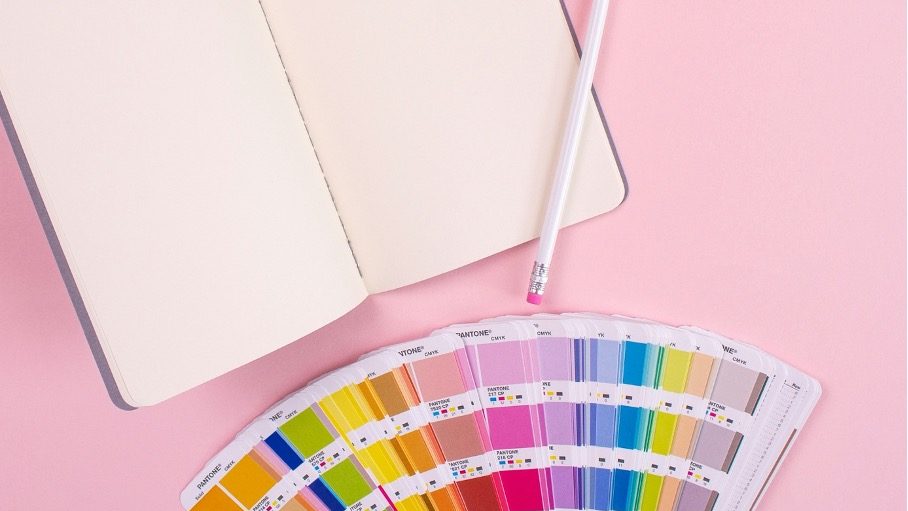
On internet, you can easily find a multitude of tips to find your undertone. As identifying your undertone can be a bit of a puzzle, the tips below would in theory help you discovering your unique color palette! Here are the tips:
- Vein Test: Check the veins on the inside of your wrist in natural light. If they appear blue or purple, you likely have cool undertones. If they appear greenish, you may have warm undertones. If you can’t clearly distinguish between blue and green, you might have neutral undertones.
- Jewelry Test: Pay attention to how different metals look against your skin. Typically, gold jewelry complements warm undertones, while silver or platinum jewelry suits cool undertones. If both gold and silver look good on you, you may have neutral undertones.
- Fabric Draping: Experiment with draping fabrics of different colors around your shoulders and observing how they affect your complexion. Warm undertones often look best in earthy tones like reds, oranges, and yellows, while cool undertones may favor blues, greens, and purples.
- Color Reaction: Notice how certain colors make your skin appear. Warm undertones tend to look better in warm colors like peach, coral, and golden yellows, while cool undertones may prefer cool colors like icy blues, purples, and pinks.
- Sun Exposure: Consider how your skin reacts to sun exposure. Warm undertones tend to tan easily and may have golden or olive tones, while cool undertones may burn more easily and have pink or rosy tones.
- Observation and Experimentation: Pay attention to how different colors and makeup shades enhance or detract from your natural features. Experiment with various hues and observe which ones make you look vibrant and healthy.
- Asking professional for advice: Consider consulting a professional. In some areas, you may find specialists, like those trained in Korean beauty techniques, who specialize in determining undertones. Alternatively, hairdressers or skincare professionals may also offer insights based on their expertise.
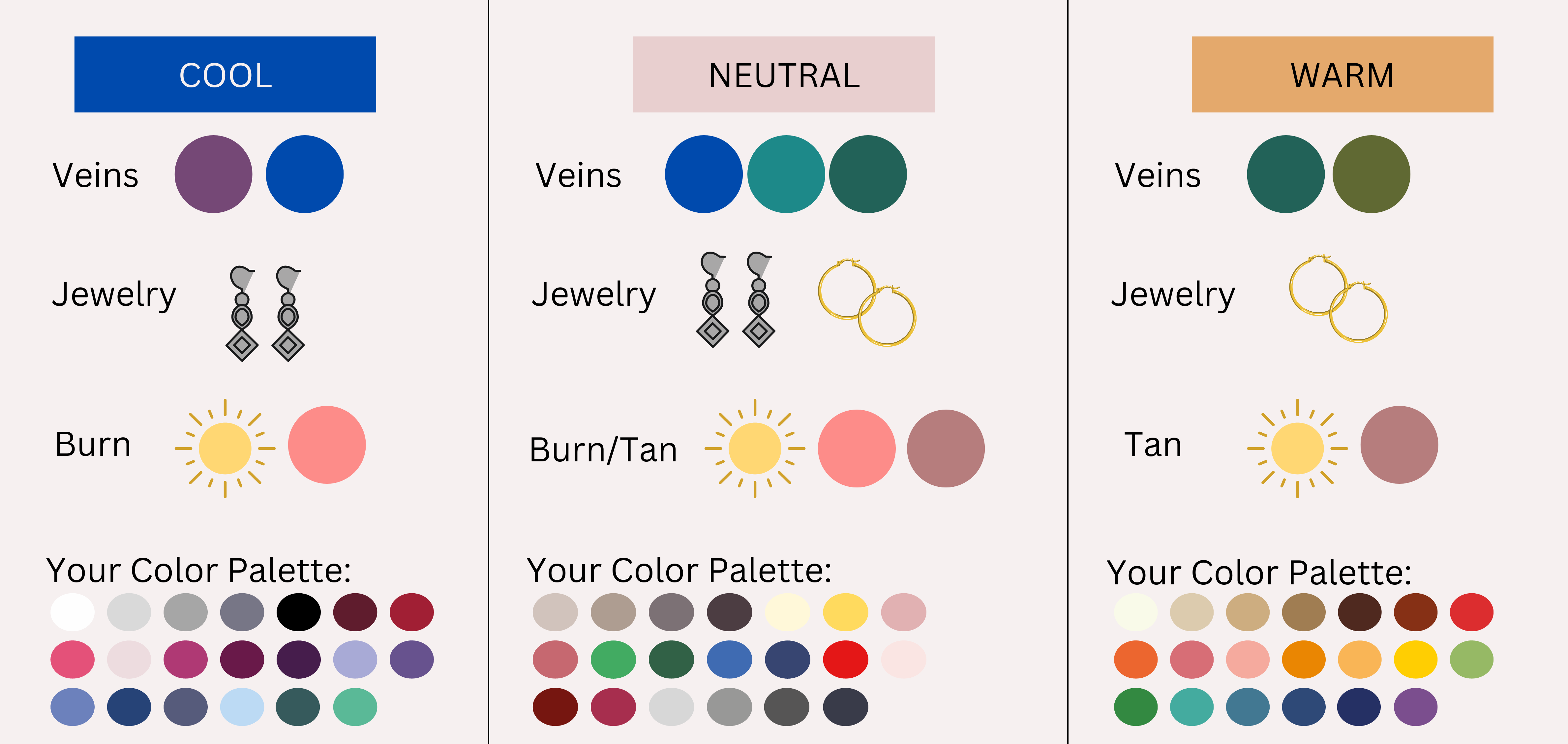
Each method has its advantages, but it’s important to recognize their limitations. Undertones can be influenced by various factors, and individuals with neutral undertones may find these methods less conclusive. The key is to approach undertone identification with openness and to experiment with different methods to gain a better understanding. Choose colors that make you feel confident, even if you don’t fit perfectly into a category.
My Frustration with Finding my Undertone

Embarking on the quest to understand my undertones has been quite the adventure. With my fair skin, dark eyebrows, and naturally dark hair, I first thought I had cool undertones because my veins looked blue. And for the most part, wearing cool-toned clothing seemed to suit me well.
But then things got tricky. Pinky makeup shades didn’t seem to flatter me at all, even though I could wear both gold and silver jewelry without it looking strange. It’s like my skin can’t decide what it likes!
While I may not fit neatly into one undertone category, I’ve figured out which colors work best for me and which ones don’t. Beige clothes tend to blend in too much with my skin, making me look washed out.
However, I recently tried wearing a pink outfit, which surprisingly looked good on me, even though pink is usually considered a warm color. On the other hand, colors like mauve and purple, which are typically cool, don’t seem to suit me at all.
As someone who prefers minimalistic styles, my wardrobe mostly consists of safe colors like black, white, and blue. But I’m trying to add more variety by incorporating different colors.
Understanding my undertones is also important when it comes to makeup, especially lipstick and blush. Peach blush seems to complement my skin tone perfectly, while pink doesn’t look as good. Yet, peach is usually associated with warm undertones, which confuses me even more.
I’ve searched online for tips to help me figure out my undertone better, but it seems like trial and error is the best approach… at least to me!
What I believe is that it’s crucial to embrace uncertainty and keep experimenting until I find what suits my unique skin best. After all, in the world of undertones, there’s no universal solution – just a colorful journey of self-discovery!
In summary, exploring our undertones to discover our unique color palette can be a journey filled with challenges and contradictions. Despite traditional methods like the vein test, our own experience may sometimes contradict established rules. However, it’s important to embrace this uncertainty and view this exploration as an opportunity for learning and self-discovery. Whether seeking professional advice or trusting our instincts, this quest allows us to celebrate the diversity of undertones and recognize beauty in every shade.
And you? Do you know what is best for you? Which methods works best for you to uncover your undertone? Left a comment below and help me in my journey to understand my undertone!
See you soon! Beautifully Moi!
 Beautifully Moi
[…] Fashion isn’t just about the latest trends; it’s about feeling confident and comfortable in what you wear. I learned this the hard way when I couldn’t figure out my own undertone. It was frustrating trying to find colors that wouldn’t make me look washed out. So, I dove deep into undertone theory and shared my findings to help others navigate this colorful challenge. (You can read the article here) […]
LikeLike
[…] English version here […]
LikeLike