

- Understanding UVs rays
- What is the UV index?
- Sunscreen – what is SPF?
- Asian Sunscreen – Understanding PA Ratings
- Choosing the right sunscreen
- How to protect your skin efficiently and apply sunscreen effectively?
- Misconceptions About Makeup with SPF
Sun protection is a vital part of skincare that frequently doesn’t receive the attention it deserves.
Despite growing awareness from dermatologists and skincare influencers about the importance of sunscreen in your skincare routine, many still mistakenly believe that sunscreen is only necessary in the summer. Prolonged exposure to the sun’s ultraviolet (UV) rays can lead to skin damage, premature aging and an increase of skin cancer.
Recently, I reviewed a specific sunscreen product on my blog, the SVR Blur Sun Secure SPF 50+ sunscreen, and it motivated me to write a comprehensive article about sun protection in more details.
In this article, I will explore the importance of SPF, explain the UV index and provide general information on how to protect your skin effectively.
This guide will not only serve as a valuable complement to my previous sunscreen review, which you can find here, but will also provide essential information for upcoming articles on skincare.
Whether you are a skincare enthusiast or simply looking to improve your sun safety habits, this article will equip you with the knowledge you need to stay protected under the sun!
Understanding UVs rays
Before discussing SPF and sun protection, it’s important to understand UV radiation to see why sun protection matters. Knowing what UV rays are, how they affect your skin, and the risks they pose helps you understand SPF better.
Understanding the difference between UVA and UVB rays is key to choosing a broad-spectrum sunscreen that protects against both types.
This knowledge helps you make better choices about SPF and its use. By learning about UV radiation, you’ll be better equipped to protect your skin and enjoy the sun safely.
What are UVs rays?

UV rays, or ultraviolet rays, are invisible rays from the sun that can have a big impact on your skin. While you can’t see them, they’re responsible for sunburns, premature aging, and even skin cancer. UV rays come in two main types that affect your skin in different ways: UVA and UVB.
UVA rays
UVA rays, with longer wavelengths, make up about 95% of the UV radiation that reaches the Earth. They penetrate deeply into the skin, causing premature aging, wrinkles, and age spots. Present throughout the day, they pass through clouds and glass, making constant protection necessary.
UVB rays
UVB rays, with shorter wavelengths, make up about 5% of the UV radiation that reaches the Earth. More intense than UVA rays, they primarily affect the outer layer of the skin (the epidermis) and are responsible for sunburn.
They play a major role in skin cancer and can damage the DNA in your skin cells. UVB rays are strongest between 10 a.m. and 4 p.m. and can vary depending on the season, location, time of day, and altitude. High SPF protection is essential during these peak hours.
UVA vs. UVB Rays: Intensity and Presence
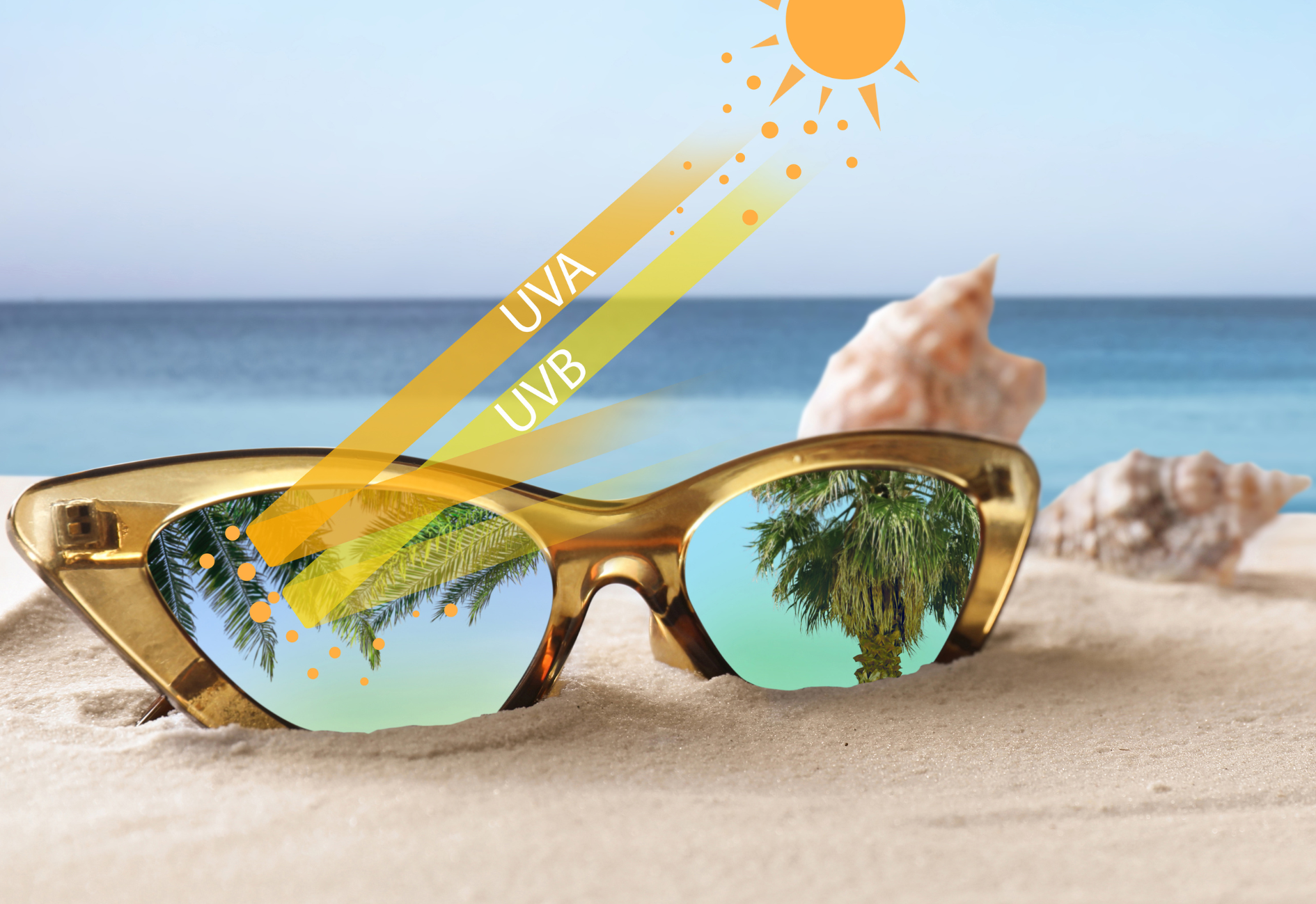
UVA rays, making up about 95% of the UV radiation reaching the Earth’s surface, penetrate deeper into the skin and are present throughout the day and year, unaffected by weather conditions.
While less intense than UVB rays, they cause long-term damage such as premature aging and increased cancer risk. This extensive presence highlights the importance of using broad-spectrum sunscreen to protect against both UVA and UVB rays. (see below for more details)
What is the UV index?
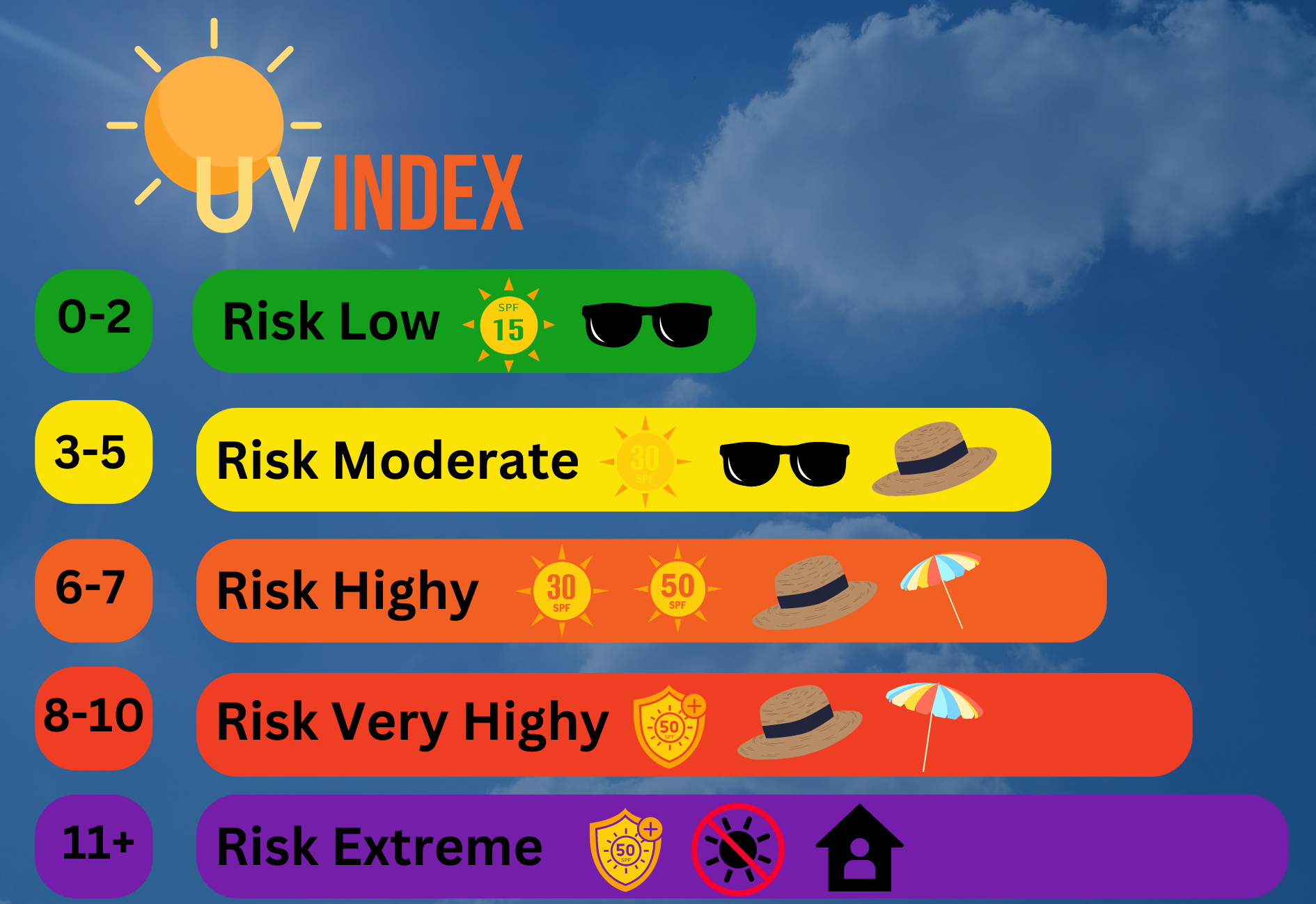
Before choosing the right SPF, understanding the UV Index is crucial for selecting the appropriate protection. The UV Index measures the strength of UV radiation (both UVA and UVB) from the sun each day. It uses a simple scale from 0 to 11+ to show the risk of skin damage, with higher numbers indicating greater risk.
The index is based on factors like the sun’s angle, cloud cover, and altitude, and it is updated throughout the day to reflect changes in UV levels.
Note: The UV Index primarily reflects variations in UVB intensity, as these rays are more variable and have a more direct effect on sunburn and skin cancer risk. UVA rays, while constant, are also important for skin protection, but their influence on the UV Index is less significant due to their consistent presence.
The scale goes:
- 0-2 = Low; minimal risk of harm from unprotected sun exposure
- 3-5 = Moderate; protection is needed if you’re outside for extended periods
- 6-7 = High; need to take precautions to avoid sun exposure during peak hours
- 8-10 = Very high; extra measures are necessary to protect your skin
- 11+ = Extreme; avoid being outside during peak UV hours if possible
By understanding the UV index, you can better plan your outdoor activities and take appropriate sun protection measures to reduce risk of the UV related skin damage!
How the UV Index Varies
The UV Index changes depending on the time of day, seasons, and your location. It’s highest between 12 p.m. and 4 p.m. when the sun is strongest. UV levels are generally higher in summer because the sun is higher in the sky. Locations near the equator have higher UV radiation than places closer to the poles, and UV rays can be stronger at higher altitudes due to the thinner atmosphere.
Note: The UV Index primarily reflects variations in UVB intensity, as these rays are more variable and have a more direct effect on sunburn and skin cancer risk. UVA rays, while constant, are also important for skin protection, but their influence on the UV Index is less significant due to their consistent presence.
Sunscreen – what is SPF?
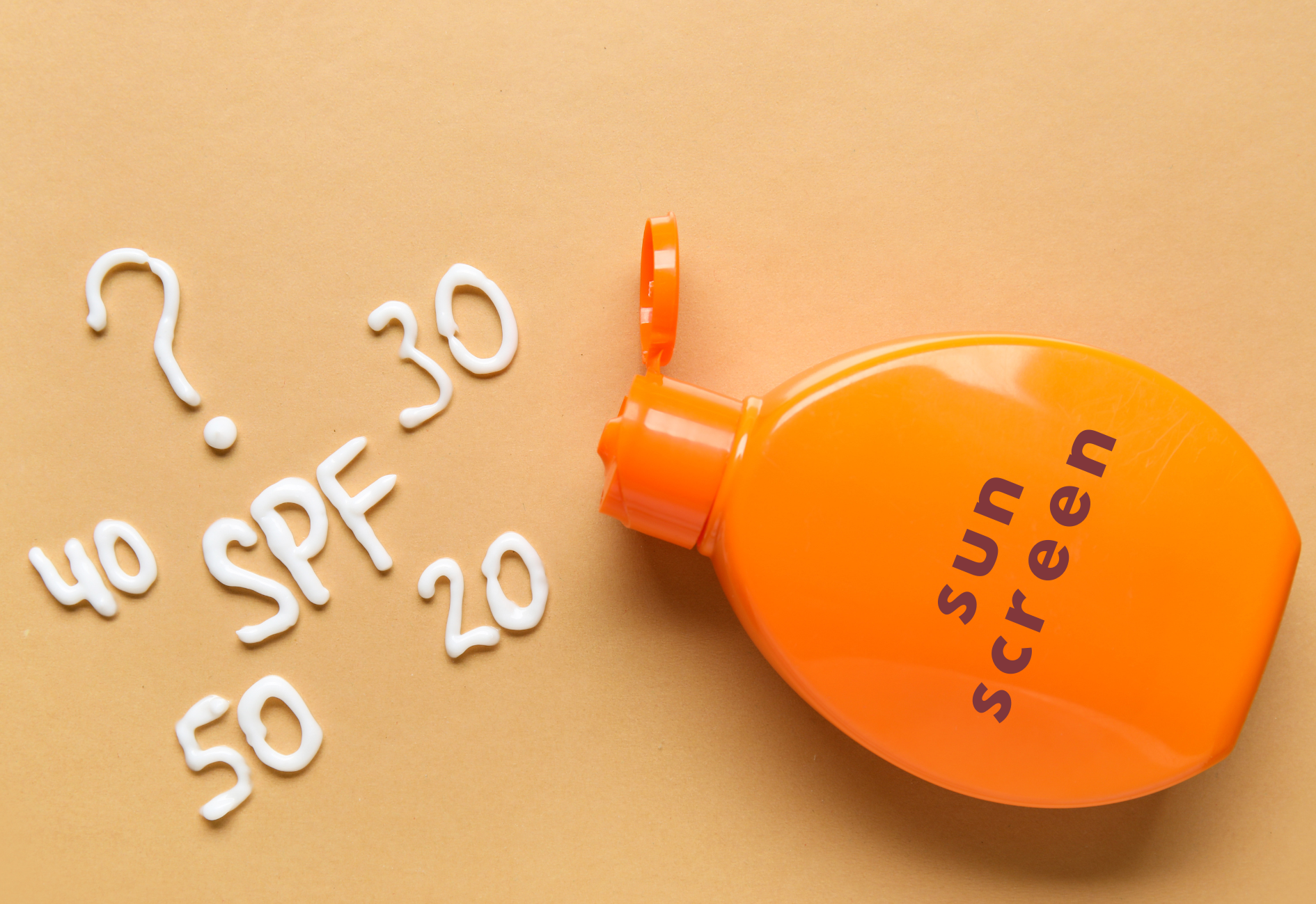
SPF, or Sun Protection Factor, is a measure of how well a sunscreen will protect your skin from UVB rays. The SPF number indicates how long you can stay in the sun without getting sunburned compared to being unprotected.
The effectiveness of SPF can be broken down into percentages of UVB protection:
- SPF15 blocks approximately 93% of UVB rays
- SPF30 blocks nearly 97% of UVB rays
- SPF50 blocks about 98% of UVB rays
How SPF affects your sun exposure
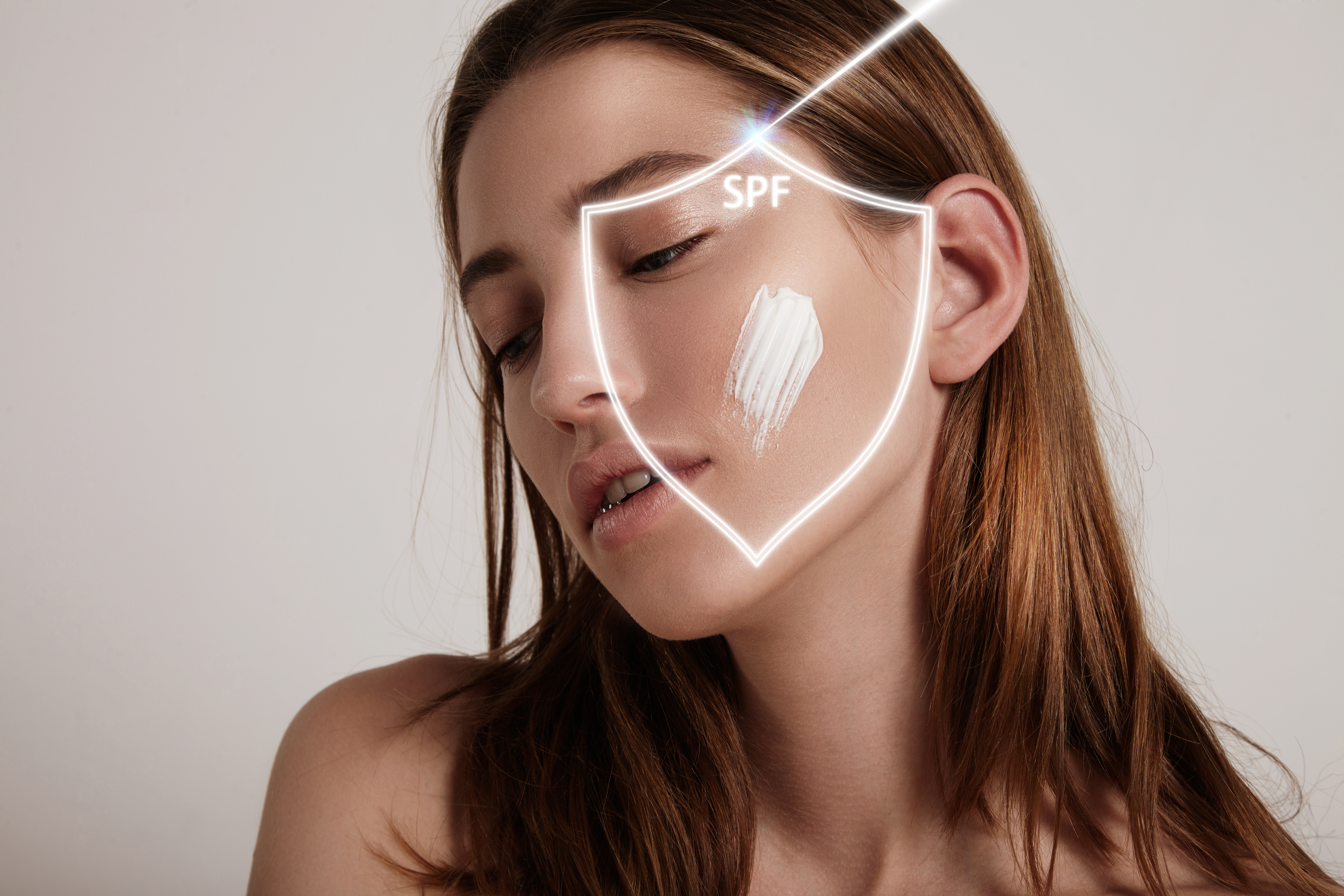
Disclaimer: It is an estimated calculation and assumes that you are applying sunscreen properly and not sweating or swimming.
Here’s a simple explanation to help you understand how SPF levels translate into sun exposure: Let’s you normally burn after 10 minutes in the sun without sunscreen. So, if you wear a sunscreen with:
SPF 15
Blocks about 93% of UVB rays, with a SPF 15 you can stay in the sun for 150 minutes (10 minutes x SPF 15).
SPF30
Blocks roughly 97% of UVB rays and you can stay in the sun for about 300 minutes (10 minutes x SPF 30)
SPF50
Blocks around 98% of UVB rays so SPF 50 would let you stay in the sun for about 500 minutes (10 minutes x SPF 50)
For good sun protection, apply sunscreen generously and evenly. Reapply it every two hours, or more often if you’re swimming or sweating. Consider factors like your skin type, the sun’s intensity, and reflections from water and sand. By choosing the right SPF and using it properly, you can better protect your skin from sunburn and long-term damage.
Asian Sunscreen – Understanding PA Ratings
If you use Asian sunscreens, you’ll often notice PA ratings on Japanese and Korean products.
If you use Asian sunscreens, you’ll often notice PA ratings on Japanese and Korean products. The PA rating system, which stands for ‘Protection Grade of UVA,’ measures the level of protection against UVA rays, which are responsible for long-term skin damage such as premature aging and an increased risk of skin cancer.
Originally from Japan, the PA system is based on the Persistent Pigment Darkening (PPD) method. This method assesses the skin’s response to UVA exposure.
Sunscreens are rated with PA followed by plus signs (e.g., PA+, PA++, PA+++, PA++++).
- PA+: Some UVA protection (PPD 2-4)
- PA++: Moderate UVA protection (PPD 4-8)
- PA+++: High UVA protection (PPD 8-16)
- PA++++: Very high UVA protection (PPD 16+)
For comprehensive sun protection, choose a sunscreen with a high PA rating in addition to a suitable SPF to ensure you are protected against both UVA and UVB rays.
PS: I have a few Korean sunscreens on my list to try, and I’ll be reviewing them very soon!
Choosing the right sunscreen
Selecting the right sunscreen involves understanding your needs and the conditions you’ll be in.
Several factors need to be considered like:
Broad-spectrum sunscreen (UVA & UVB)
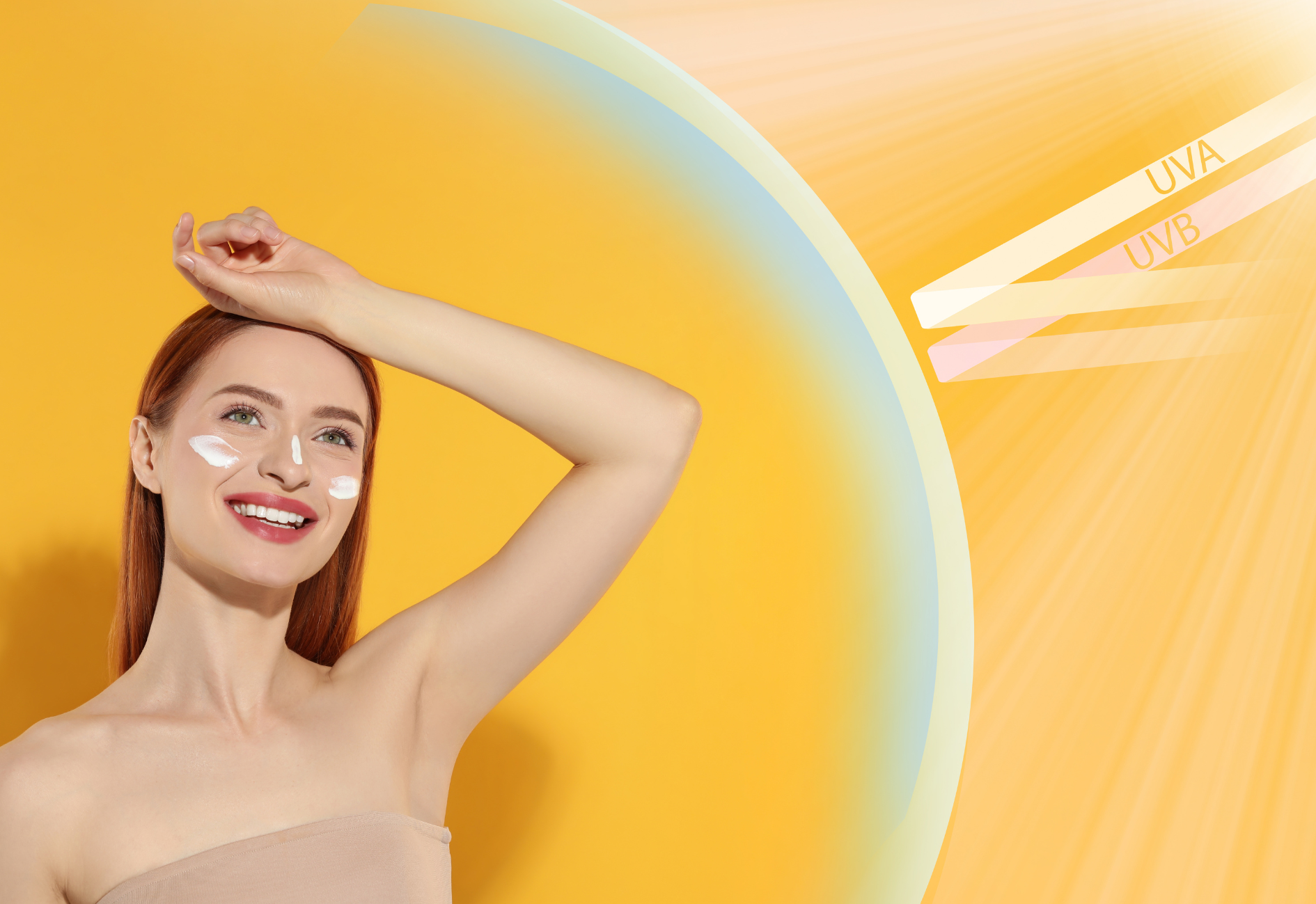
In the SPF section, I mentioned that SPF measures protection against UVB rays, not UVA rays. To protect against UVA rays, look for sunscreens labeled “broad-spectrum” or with the UVA logo. These sunscreens protect your skin from both UVA and UVB rays, helping prevent sunburn, premature aging, and skin cancer.
European sunscreens typically do not use the PA rating system. Instead, they use the UVA circle logo to indicate UVA protection.
- UVA Circle Logo: This circle logo with “UVA” indicates that the sunscreen meets the European standard for UVA protection. The level of protection is based on a ratio between UVA and UVB protection, ensuring a minimum level of UVA protection relative to the SPF.
While the PA system is common in Asian markets (especially in Japan and Korea), European sunscreens follow different regulations but are still focused on ensuring effective UVA protection.
Water Resistance and Duration

Choose water-resistant sunscreens if you’ll be swimming or sweating, as they maintain SPF protection while in water or during sweating. However, even water-resistant sunscreens should be reapplied every two hours, or more often if you’re swimming or sweating heavily.
Skin Type and Special Needs

People with sensitive skin, opt for sunscreens formulated for sensitive skin, often labeled as “hypoallergenic” or “for sensitive skin.” Mineral sunscreens (more in an upcoming article – differences between mineral and chemical sunscreen) with zinc oxide or titanium dioxide are usually gentler on sensitive skin.
For acne-prone skin (like me), look for non-comedogenic sunscreens that won’t clog pores. Gel-based (such as the Oil Control from Eucerin, which is my must-have product) or oil-free formulas can be better for acne-prone skin.
Environmental Considerations

Some sunscreens, like the SVR Blur Sun Secure, are designed to be environmentally friendly and safe for oceans. When swimming in oceans or visiting coral reefs, choose reef-safe sunscreens, which don’t contain harmful chemicals like oxybenzone and octocrylene. By considering these factors, you can select a sunscreen that offers effective protection while being mindful of environmental impact.
How to protect your skin efficiently and apply sunscreen effectively?
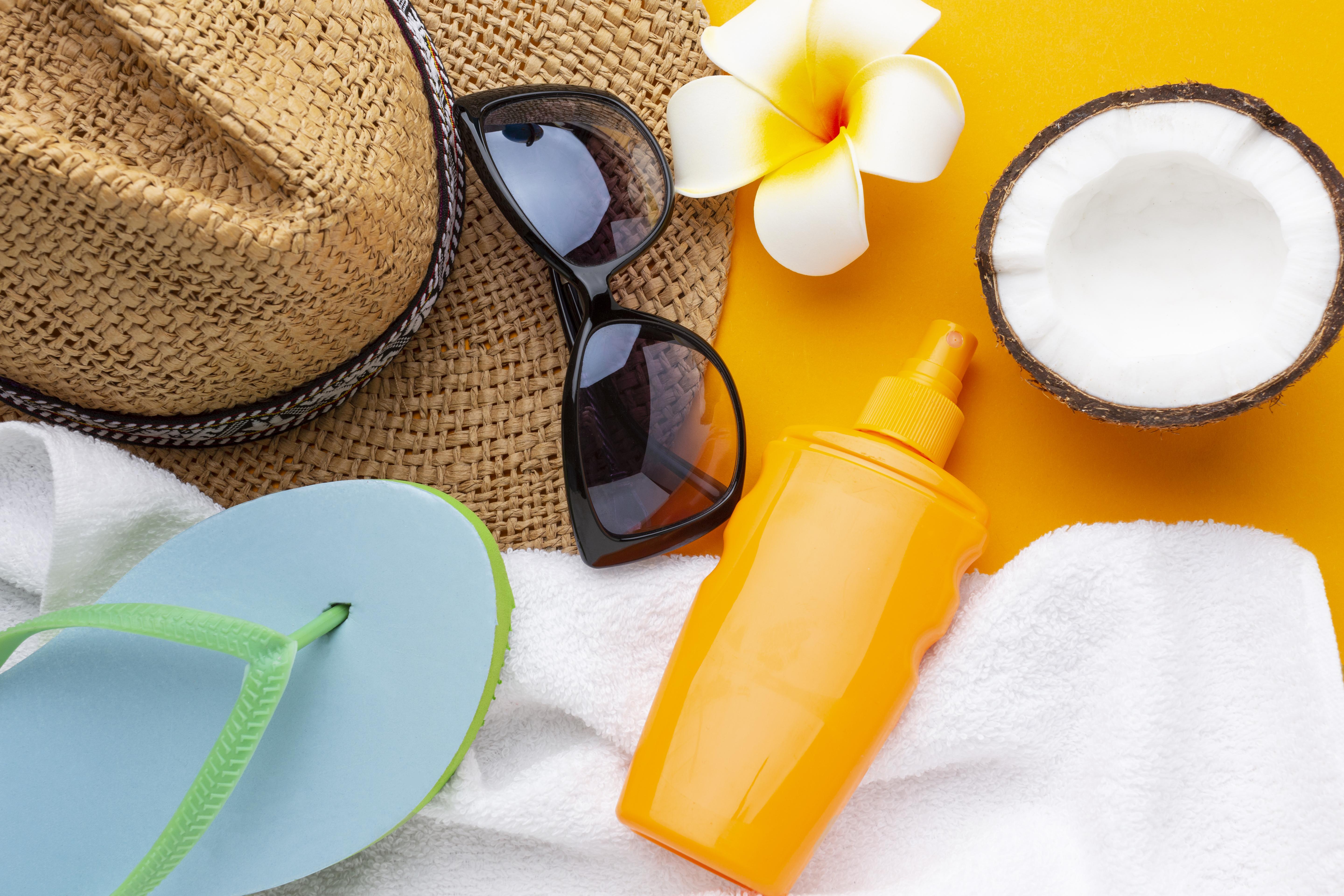
It depends on the scenario. For a beach day, you’ll need a water-resistant sunscreen with SPF 50+ and remember to reapply it every two hours, as well as after swimming or sweating. This type of sunscreen is essential for prolonged water exposure.
For everyday use, where sun exposure is minimal, an SPF 30 sunscreen is often sufficient. Look for a lightweight formula that’s suitable for daily wear.
Don’t neglect Clothing and Accessories to protect yourself

Wearing hats, sunglasses, and protective clothing greatly improves sun protection. A wide-brimmed hat shields your face, ears, and neck from UV rays, while sunglasses blocking 100% of UV rays protect your eyes from damage and cataracts.
Long-sleeved shirts, pants, and dresses act as barriers against UV rays. Choose UPF-rated clothing, like UPF 50, for added protection. Tightly woven synthetic fabrics, darker colors, and layered clothing provide even better UV defense.
Seeking shade

Taking breaks from direct sunlight is important for your skin and overall health. Reducing UV exposure helps prevent sunburn, long-term skin damage, and heat-related issues like heat exhaustion and heatstroke. To stay safe, use natural shade from trees or buildings, or use umbrellas or tents when outdoors.
Be especially careful during peak sun hours, usually between 10 a.m. and 4 p.m., when the UV Index is highest. To lower your risk, plan outdoor activities in the early morning or late afternoon when the sun is not as strong.
Common Mistakes in Sunscreen Application

One common mistake is not reapplying sunscreen often enough. It’s important to reapply right after swimming, sweating, or towel-drying to stay protected.
When applying, don’t forget areas like the ears, back of the neck, tops of feet, underarms, and behind the knees.
By adding extra sun protection measures (like wearing proper clothing and accessories, and seeking shade) you can greatly improve your sun safety and lower your risk of UV-related skin damage.
Misconceptions About Makeup with SPF
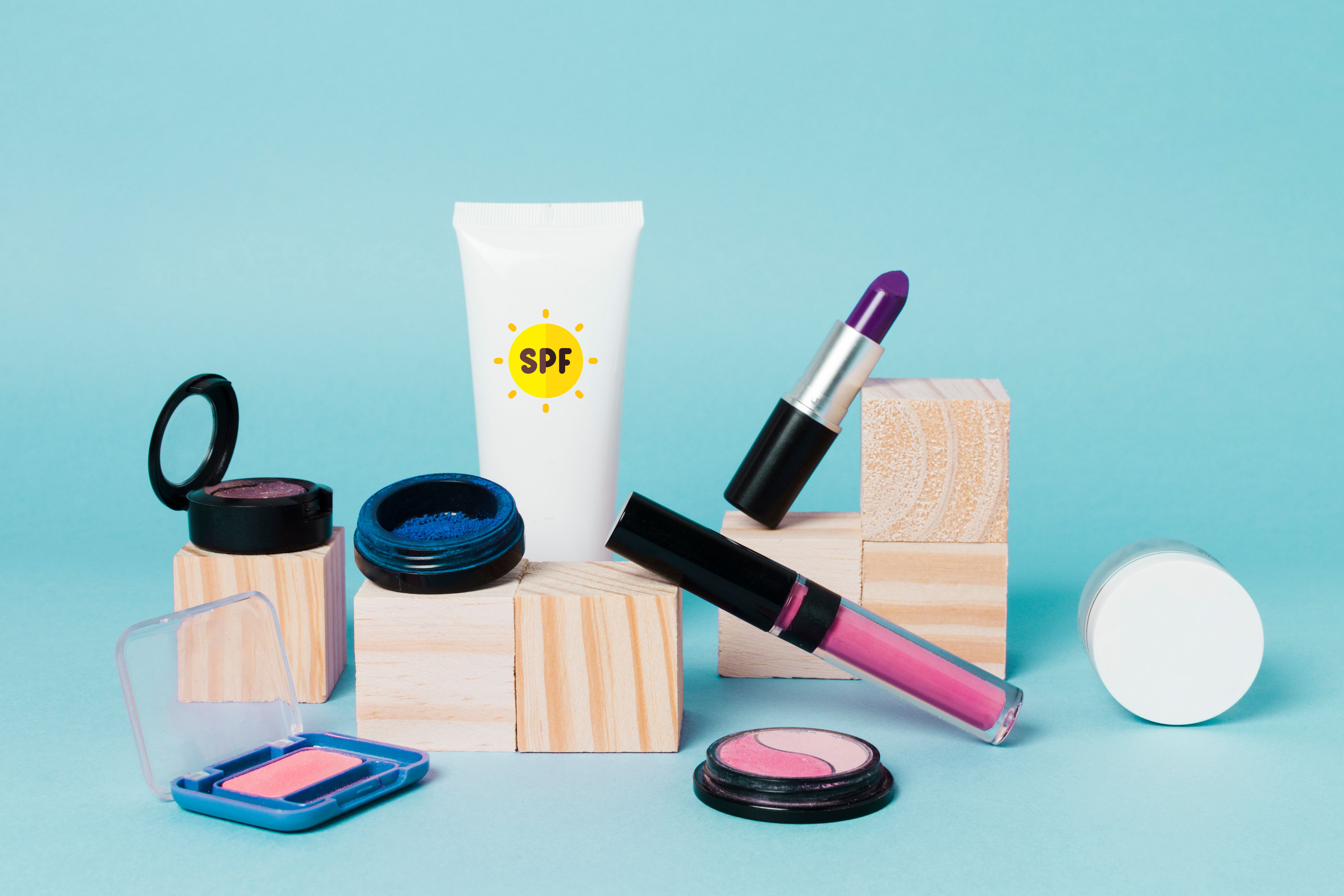
Sunscreen in makeup, like foundation or BB cream, is not a substitute for regular sunscreen. These products don’t offer complete sun protection. To stay protected, apply a dedicated sunscreen first, then use your SPF-infused makeup.
Remember to reapply sunscreen every two hours for effective protection!
Personally, I always prefer applying a dedicated sunscreen under my makeup because it ensures better coverage. I choose a light, non-greasy, and matte sunscreen to avoid any white cast or shine. The amount of makeup needed for proper SPF protection is often less than what’s required for effective coverage, which is why I don’t rely on the SPF in makeup alone. To stay fully protected, apply a dedicated sunscreen first and then follow with your SPF-infused makeup.

In conclusion, effective sun protection involves more than just choosing the right sunscreen. Understanding the difference between UVA and UVB rays, checking the UV Index, and selecting the appropriate SPF are crucial steps in safeguarding your skin.
Remember, while sunscreen in makeup can offer added protection, it shouldn’t replace a dedicated sunscreen applied as a base.
For comprehensive defense, reapply sunscreen regularly and use additional protective measures like hats, sunglasses, and UV-protective clothing. By taking these steps, you can enjoy the outdoors while keeping your skin healthy and protected from harmful UV radiation.
Follow my blog and stay tuned for more article!
See you soon, Beautifully moi!
 Beautifully Moi
[…] the importance of sunscreen and skin protection. Our skin is constantly exposed to harmful UV rays, making sunscreen an essential part of our daily routine, not just in the summer but all year long. […]
LikeLike
[…] English version here […]
LikeLike
[…] 5. Sunscreen (if I go out). NB: Want to know more about sunscreens and SPF, check some articles -> (“Mineral vs. Chemical Sunscreen: Difference & My Preferences?“; “SPF, PA, UVs Rays, and Protection: Everything You Need to Know“) […]
LikeLike
[…] the way, if you want to learn more about sun protection (SPF, PA, UV, etc.), I’ve written a detailed article on the topic. I also have an article titled ‘Mineral vs. […]
LikeLike
[…] then wondered why we ended up looking like lobsters by the end of the day. Learn everything about SPF, UV rays, and PA ratings, and discover which sunscreens I tested, loved, or hated. Don’t miss my review of the SVR Sun […]
LikeLike