

- What is Frizzy Hair?
- Determining Hair Porosity
- Why Did My Hair Become Frizzy?
- The Products That Helped Restore My Hair
- The Game-Changing Trick
- My Anti-Frizz Hair Routine
I used to have straight, silky hair that required little to no effort to manage. Haircare was never a big concern for me, and I could get away with doing the bare minimum. But that all changed when I started taking Accutane. Almost overnight, my once-sleek hair became dry, frizzy, and unmanageable (especially in humid weather) so much so that I began to resemble a poodle if I didn’t put in the extra effort.
In a previous article, I shared my journey with Accutane and touched on the unexpected hair challenges it brought. Since then, I’ve had to dive deeper into the world of haircare, learning tips and tricks and experimenting with countless products just to tame the frizz. It took time and patience, but eventually, I found a few things that truly worked for me.
Although today’s topic focuses on hair care, which is distinct from skin care, I see both aspects as closely interconnected within personal care. As I continue to share my experiences, I plan to expand my blog to cover a broader range of personal care topics, providing a more holistic view of my journey.
In this article, I’ll share my experience, the causes behind the sudden change in my hair, and the key tip that made all the difference… for me!
And, as I’m still new to this journey, I’d love to hear any tips you might have as well.
What is Frizzy Hair?
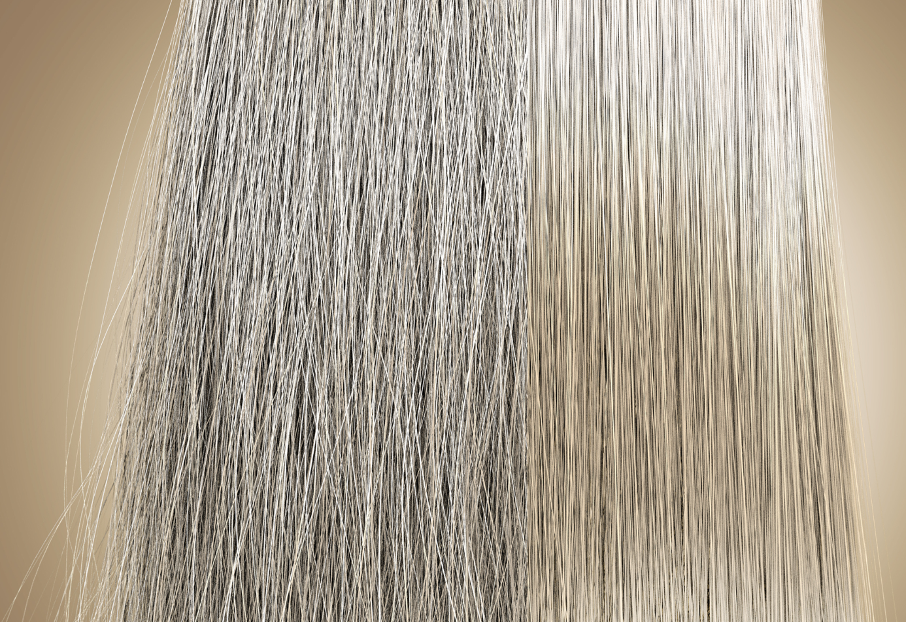
Frizzy hair is something many of us deal with, those pesky strands that just won’t stay smooth and end up sticking out or curling away from the rest of your hair. It happens when the outer layer of your hair, called the cuticle, lifts up. When this happens, moisture sneaks in, causing the hair to swell and frizz up. This can leave your hair looking rough, dry, and tangled.
Frizz can happen to anyone, but it’s especially noticeable if you have curly or wavy hair, where the natural texture makes the frizz stand out even more. It can also become more pronounced if your hair has been damaged by treatments such as coloring, excessive heat, or chemical products.
Can Dryness Cause Frizzy Hair?
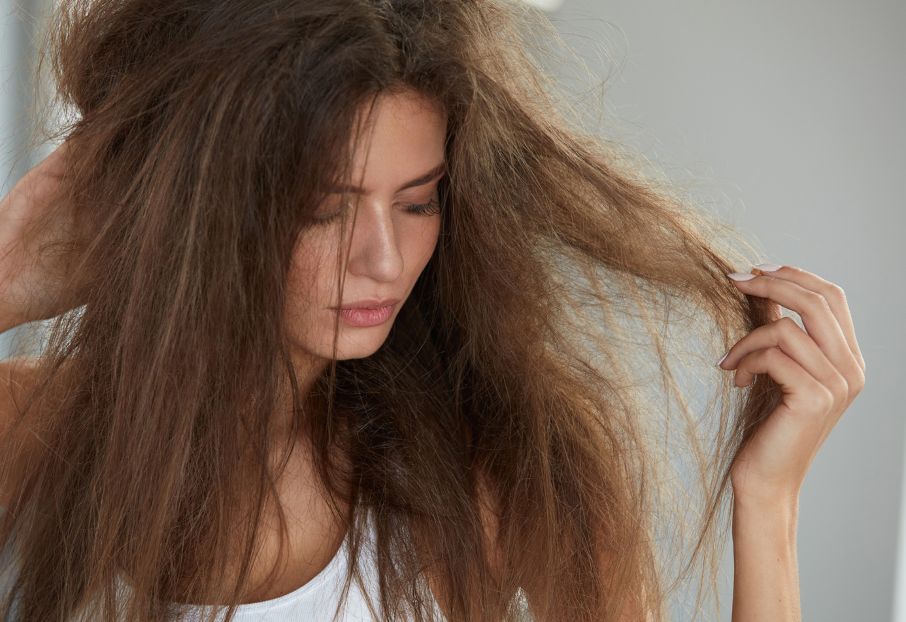
Yes, dryness can make your hair porous. When hair lacks moisture, it can become rough and more prone to frizz. This is because dry hair often has raised cuticles that don’t seal moisture properly.
In my case, the frizz isn’t due to naturally curly or wavy hair, nor excessive experimentation. I’ve colored my hair, and I still do, but I’ve never bleached it, so the color treatments have been less damaging.
In fact, this change is due to my acne treatment, Isotretinoin. You can read my detailed article here to learn more about my experience with Accutane and how it has affected my hair over time.
To combat dryness, it is crucial to keep your hair well-moisturized. Using hydrating conditioners or leave-in moisturizing products can help maintain proper hydration.
Determining Hair Porosity

Hair porosity refers to how well your hair can absorb and retain moisture. There are three levels of hair porosity:
- Low Porosity: Tight cuticles, hard to absorb but good at retaining moisture, often sleek and slow to dry.
- Medium Porosity: Absorbs and retains moisture well, easy to style and maintain.
- High Porosity: Absorbs moisture quickly but loses it just as fast; often dry and prone to breakage. (The cuticle layer is not tightly sealed, so moisture is lost)
To determine your hair’s porosity, try the Float Test:
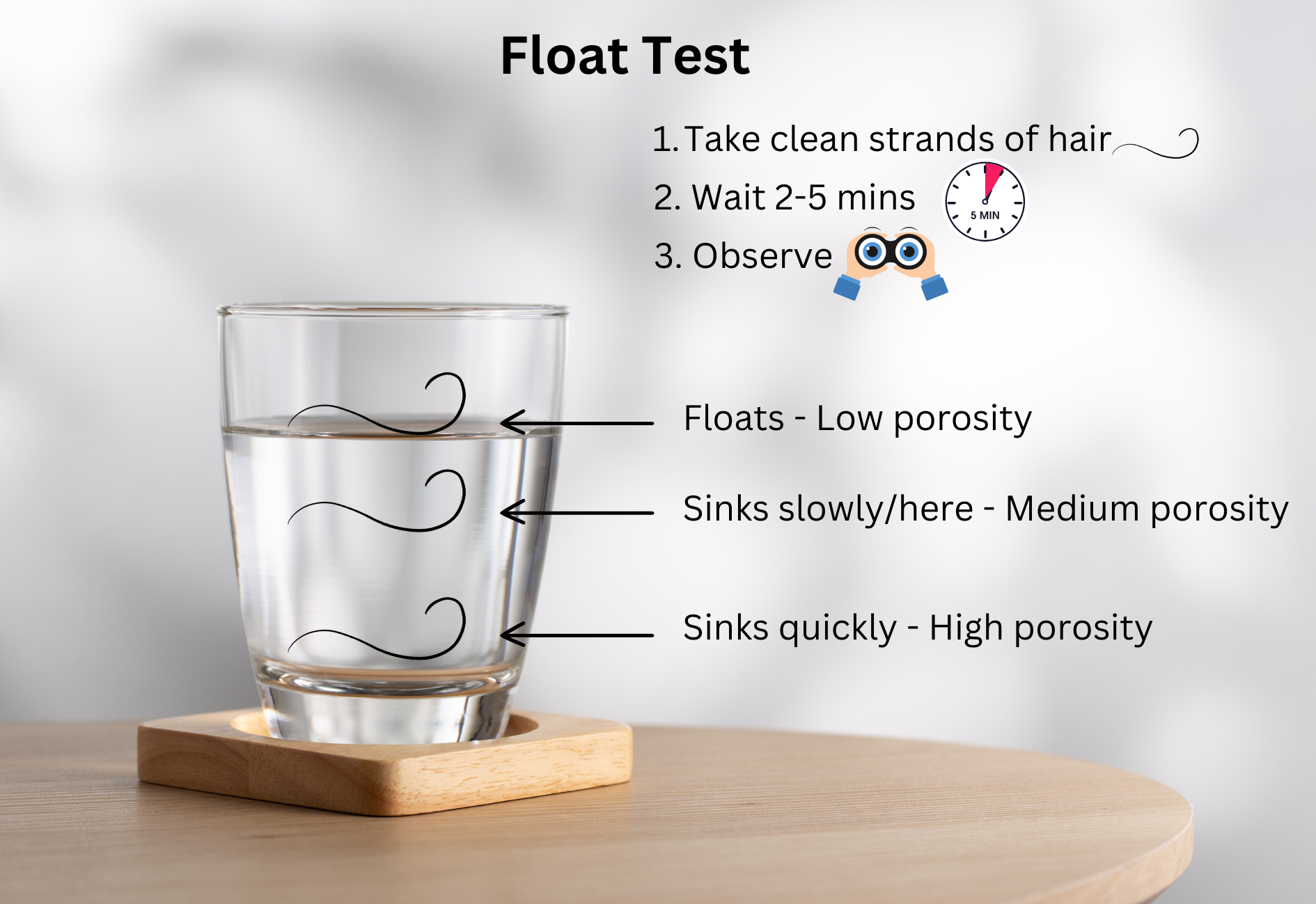
Frizzy hair is often linked to high porosity. The raised cuticles allow too much moisture to enter, causing the hair to swell and frizz. Damage from heat styling, chemical treatments, or even environmental factors like humidity can increase your hair’s porosity.
I also did the glass of water test to determine my hair’s porosity level, see the results below!
I’ve done the test, and as soon as I get a good photo clearly showing the results, I’ll share it with you! For now, I can already tell that my hair floated in the middle, which means it has medium porosity!
Why Did My Hair Become Frizzy?
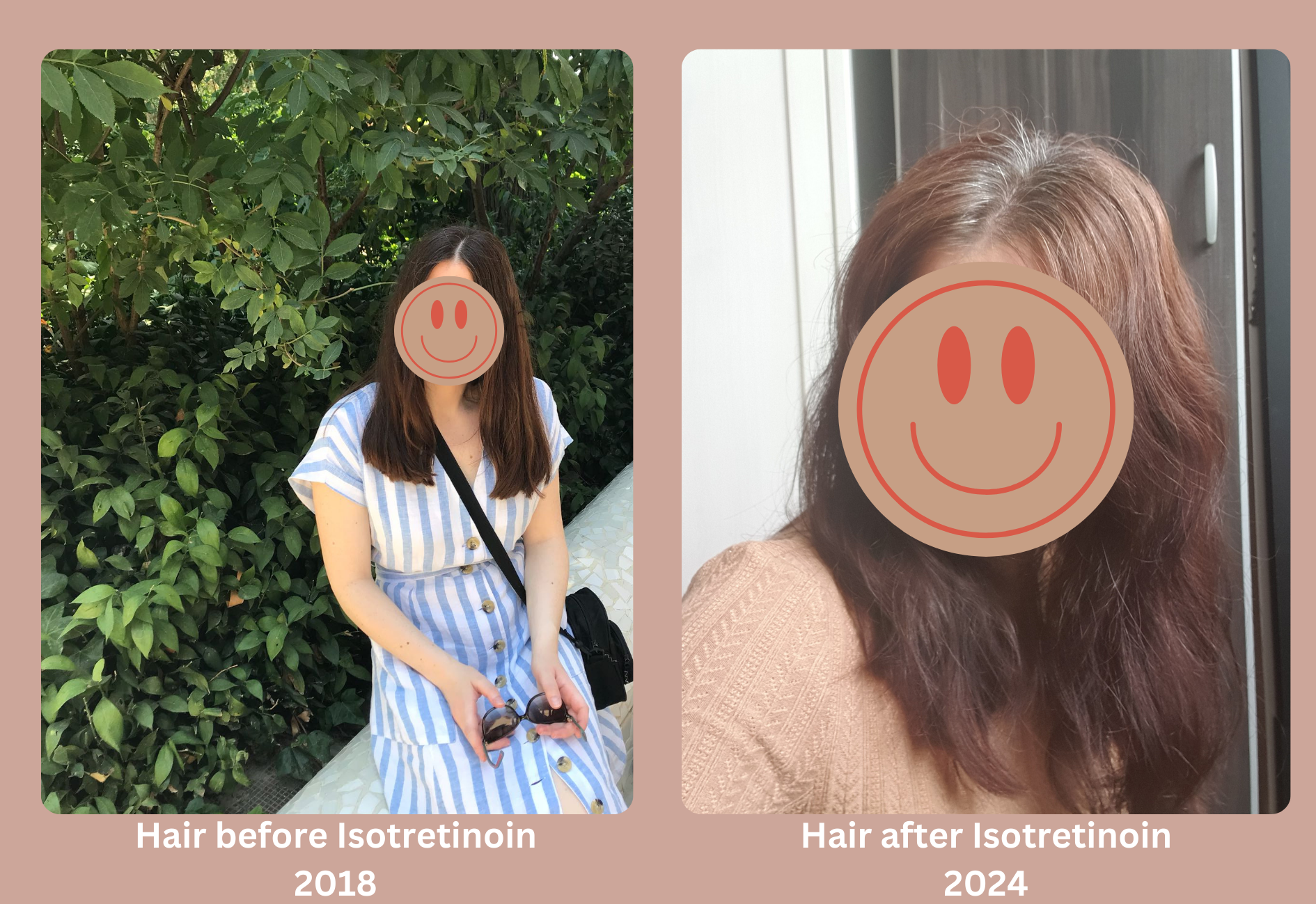
As said above and also in my previous article, “My Quest for Perfect Skin with Isotretinoin: An Intimate Journey,” affected not only my skin but also my hair.
Isotretinoin is a powerful medication commonly used to treat severe acne by reducing the amount of oil produced by the skin. However, one of its lesser-known side effects is its impact on hair. And, my battle with frizzy hair began after I started taking isotretinoin!
The medication reduces the production of sebum, the natural oil that coats and protects both skin and hair. With less sebum, your hair can become dry, brittle, and more susceptible to damage, leading to increased porosity and, consequently, more frizz.
The Products That Helped Restore My Hair

I’ve tried a bunch of products to help with my dry, frizzy hair. At first, I used Aloe Vera, which is often recommended for hydration. While it’s supposed to be great for dry hair, I didn’t notice much of a difference in the texture.
Feeling that my hair still needed more moisture, I focused on hydrating hair products since I could really feel the dryness when I touched it.
Side note: After starting the Isotretinoin treatment, I noticed the appearance of some waves at the back of my neck. Curious to see if this new texture might influence the frizz, I decided to try a mousse for curly hair. To my surprise, the waves quickly flattened out, and my hair remained straight. This showed me that my hair isn’t actually wavy, contrary to what some social media trends might suggest.
Eventually, I found three products that seem to make a real difference: The Syoss Repair Conditioner, and the leave-in products “Night Elixir–Overnight Moisture” by Schwarzkopf GLISS, and recently, “Split-Ends Cream–Deep Care” by Schwarzkopf GLISS. My hair feels smoother to the touch with these products.

Even though they’re working well, I’m still tempted to try some viral products I’ve seen online, like Dream Coat Supernatural Spray by Color WOW and Fino Premium Touch Hair Mask, to see if they offer any additional benefits.
Note: I don’t plan to repurchase The Syoss Repair Conditioner. It’s not that it doesn’t work, on the contrary, it was the first product that worked really well for me. However, the two leave-in products from Scharzkopf do the job just fine. (Yes, I’ve tried going without conditioner several times, and that’s how I reached this conclusion.)
Honestly, I’m not sure if I need to add more products or try different ones and your advice are welcome! However, the real game-changer for my hair has been a simple trick: rinsing with cold water. This trick has made a noticeable difference in the smoothness of my hair, even more so than the products alone.
The Game-Changing Trick
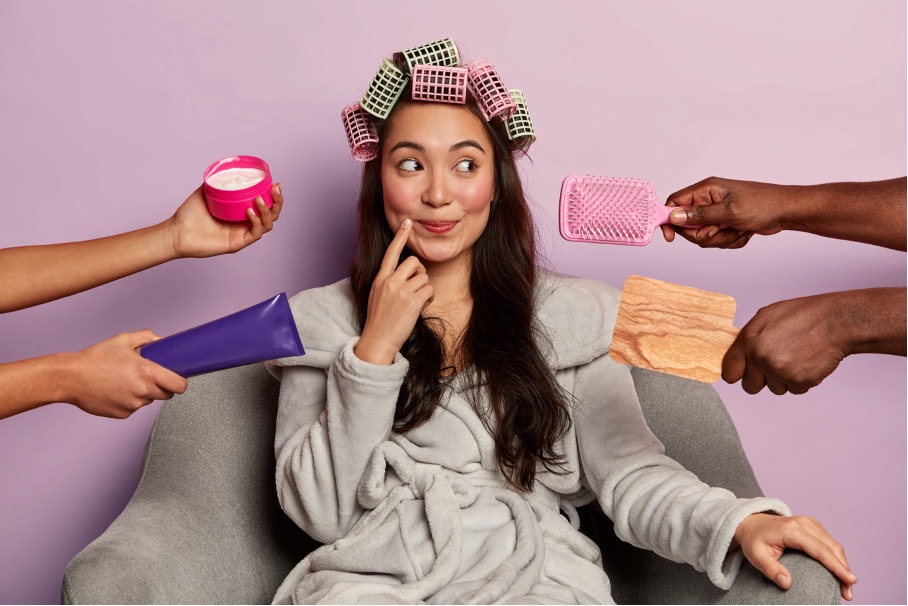
At first, I tried two different tricks to manage my frizzy hair. The first trick was my method for drying my hair. Instead of using a hair dryer, which seemed to make my frizz worse, I’d do a very tight low ponytail and secure it with bobby pins. I used two pins on each side of my head, placing them across my hair and flattening it as much as possible before securing them. This technique made my hair smooth and reminded me of the North African hair band called the Kardoune.
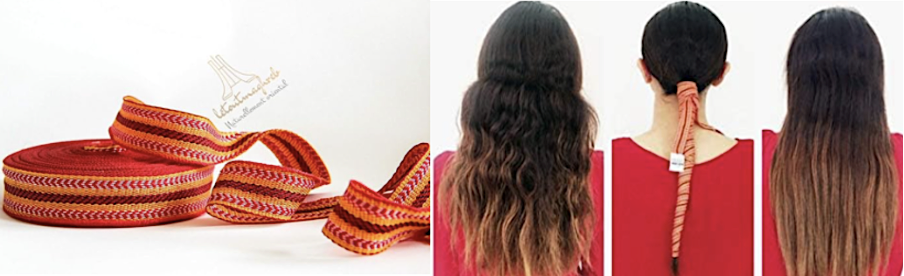
The Kardoune is a traditional, from North Africa, band used to wrap and smooth hair, helping to reduce frizz. I was so impressed with how well my method worked that I thought about buying a Kardoune to simplify the process and possibly achieve even better results. But, being my usual self, I kept putting off the purchase.
While searching for more tips, I discovered a second trick that truly worked: rinsing with cold water. This simple technique helps close the hair cuticles, locking in moisture, smoothing the hair, and reducing frizz.
So, I’ll definitely keep rinsing with cold water as part of my routine. I’m still considering getting a Kardoune in the future, as it might help with smoothing my hair even more. Right now, I’ve also stopped coloring my hair to see if it improves its texture and frizziness. It’s not easy, especially with my grey hair, but I’m committed to giving it a try. I’ll keep you updated on my progress and any new tips I discover along the way!
My Anti-Frizz Hair Routine
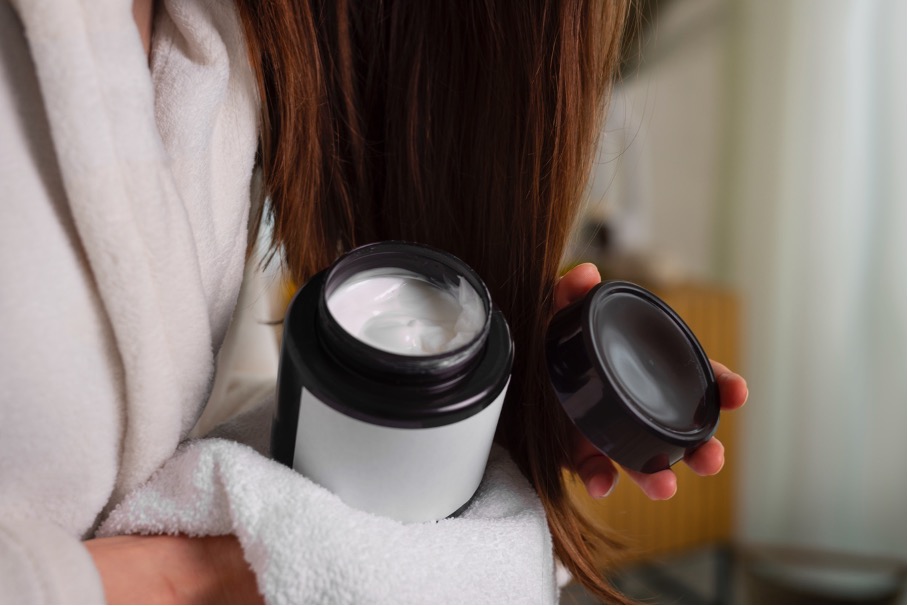
Here’s a step-by-step look at my current hair routine:
1. In the Shower:
- I start by washing my hair with a hydrating shampoo. I don’t have a specific brand to recommend, as I’m still on the hunt for the perfect one. The shampoos I’ve tried so far haven’t fully convinced me, so I won’t name any products here.
- After shampooing, I apply conditioner and I leave it on for a maximum of 5 minutes.. The one I’m currently using and really like is Syoss Repair. (I sometimes skip this step)
2. After the Shower:
- Once I finish my shower, I hop out, put on a bathrobe, and then immediately lean back into the shower to rinse my hair with cold water. I rinse until I no longer feel any warmth in my hair, making sure it’s cold to the touch. (I do it all the time)
- Next, I wrap my hair in a regular towel to absorb some of the water. I know it’s often recommended to use a microfiber towel, and I used to do that, but I didn’t like it. Honestly, when I used a microfiber towel regularly without rinsing with cold water beforehand, I didn’t notice any difference.
- After a few minutes, I remove the towel, comb my hair, and apply the two leave-in products “Night Elixir–Overnight Moisture” by Schwarzkopf GLISS and “Split-Ends Cream–Deep Care” by Schwarzkopf GLISS. Then, I let my hair air-dry. Note: I apply these products about 5 cm away from the roots of my hair, not directly at the roots.
- (I used to always tie my hair tightly to air-dry, but since I started rinsing with cold water, I don’t need to do it as often. However, I still find it helpful and do it when needed. I’m considering getting a Kardoune to make the process easier and more effective. Keeping my hair tied for hours until it feels softer.)
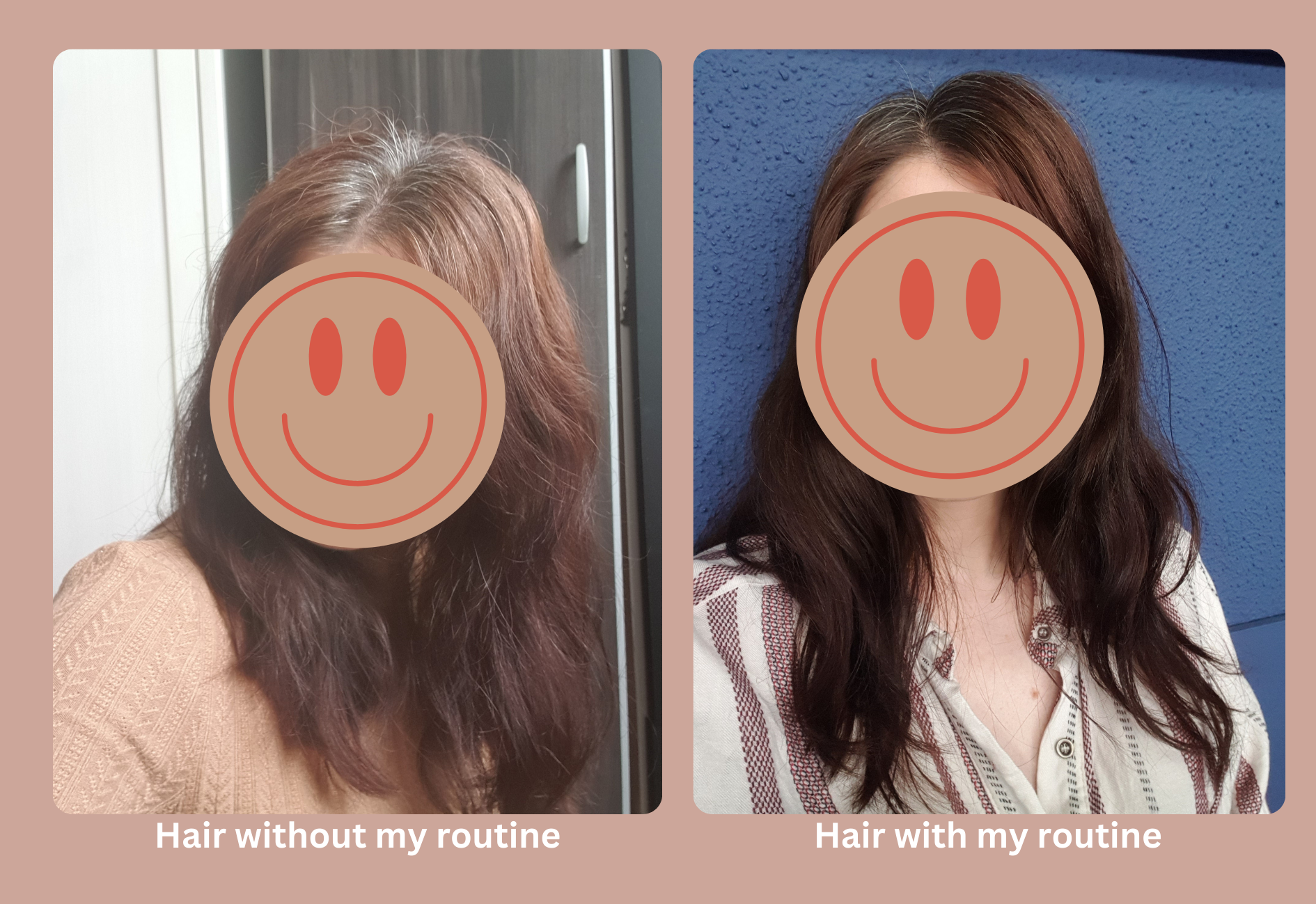
Both photos show my natural hair without any styling, and you can see that with this hair routine, my hair appears less ‘puffy’ and straighter (right) than the picture on the left!
This routine is very personal and keep in mind I am new in this hair care journey but it has helped me manage my frizz and keep my hair in better shape, but I’m always open to trying new products and techniques!
Figuring out how to care for my hair has been a real adventure, especially with the changes caused by Accutane. Right now, The Syoss Repair Conditioner, Night Elixir–Overnight Moisture” by Schwarzkopf GLISS, and “Split-Ends Cream – Deep Care” by Schwarzkopf GLISS are helping, and the hair tightening methods too, but it’s the cold-water rinse that has truly transformed the smoothness of my hair.
Since I’m still new to hair care, I’m open to trying out new tips, tricks, and products. If you have any recommendations or favorite products that have worked for you, I’d love to hear about them! I’ll keep sharing updates on my journey and any new finds along the way. Thanks for following along!
See you soon, Beautifully Moi!
 Beautifully Moi
[…] English version here […]
LikeLike