

- Acne and Diet
- Skin Dryness and Hydration
- Eczema and Allergies
- Skin Aging
- Skin Brightness and Hyperpigmentation
- Practical Dietary Tips for Overall Skin Health
For ages, I was convinced that what we eat has no real impact on our skin. Dermatologists I saw always said things like chocolate and other foods don’t affect acne, so I just accepted it. It wasn’t until I saw a dramatic example with my sister that my views changed completely. After she had a bad reaction to peanut butter, her skin broke out in painful pimples, and it was clear that her diet had a major impact on her skin.
I’ve been pretty lucky in that I’ve never had to follow a strict diet, so I never really noticed if specific foods were causing my skin to react. I didn’t see any major breakouts from sugar or peanut butter, which made me skeptical about diet’s role in skin issues. But I also started to question the dermatologists’ advice when I saw that people often have allergic reactions to foods, which can definitely affect their skin. My own experience with acne treatment opened my eyes further. When I started taking zinc supplements before beginning the isotretinoin treatment, my skin cleared up noticeably. And the effects of isotretinoin, which made my skin drier and clearer, showed me that what we eat, or don’t eat, can really make a difference after all.
In this post, I want to dive into how different aspects of our diet can affect our skin. I’m not a nutritionist or dermatologist, but I’ve learned a lot through those researches I made for this article. My hope is to give you a solid starting point to understand the diet-skin connection and encourage you to explore further and talk to your own healthcare providers. Let’s get into how the right (or wrong) foods can make your skin look and feel better.
In my next article though, I’ll dive deeper into the food and skincare connection by sharing what I eat in a week. While I’m still unsure if food directly impacts MY skin (aside from that time I tried zinc) I have made some changes, like cutting out sodas and adding more protein.
I’m not a nutritionist, dietitian, or doctor, so this isn’t advice but rather a glimpse into my routine that might give you some ideas. Remember, it’s always best to consult a healthcare professional before making any big changes to your diet.
Acne and Diet
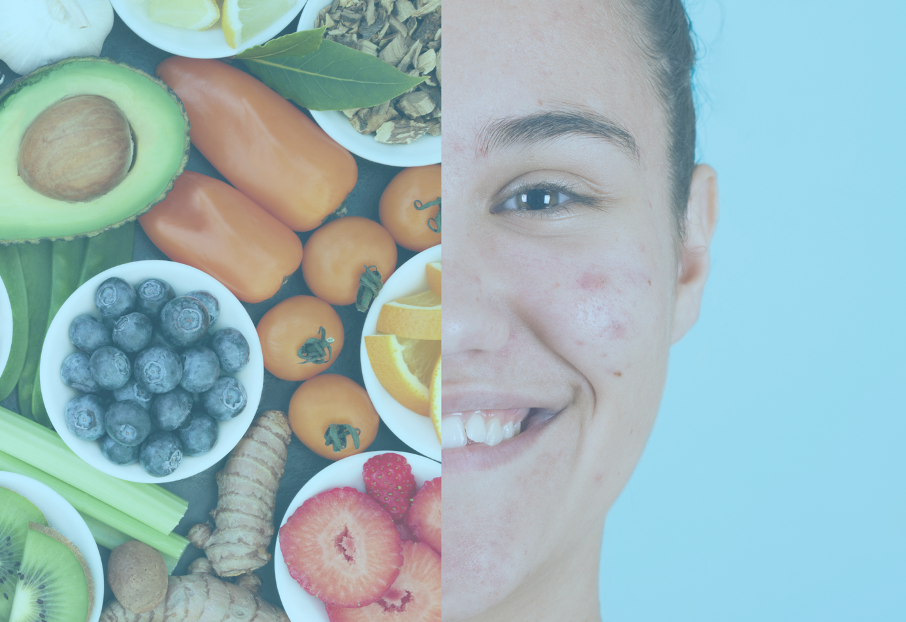
So, can what we eat really affect acne? The short answer is yes, and it’s an area that’s getting more attention these days. Studies suggest that certain foods might play a big role in how our skin behaves. For example, foods with a high glycemic index (GI), think sugary snacks and processed carbs, can cause our blood sugar to spike, which in turn can lead to more breakouts. A study from the American Academy of Dermatology Association found that people eating lots of high-GI foods were more likely to deal with acne.
“Scientists believe that following a low-glycemic diet may reduce acne because this diet eliminates spikes in your blood sugar. When your blood sugar spikes, it causes inflammation throughout your body. These spikes also cause your body to make more sebum, an oily substance in your skin. Both inflammation and excess sebum can lead to acne.” 1
Dairy is another big player. Some research suggests that milk, all types of cow’s milk (whole, low-fat, and skim) might make acne worse. A study in the American Journal of Clinical Nutrition showed that milk consumption was linked to more acne, possibly because of the hormones in dairy.
“While cow’s milk may increase the risk of developing acne, no studies have found that products made from milk, such as yogurt or cheese, lead to more breakouts.” 2
On the brighter side, anti-inflammatory diets might help keep acne in check. Foods rich in fruits, vegetables, and omega-3 fatty acids can help reduce inflammation and improve skin health.
Studies have shown that these kinds of diets can lead to fewer and less severe acne lesions, making them a great option for clearer skin.
So, while there’s still a lot to learn, it’s clear that what you eat can have a real impact on your skin. If you’re battling acne, it might be worth exploring how different foods are affecting you and considering some diet tweaks to help improve your complexion.
Skin Dryness and Hydration
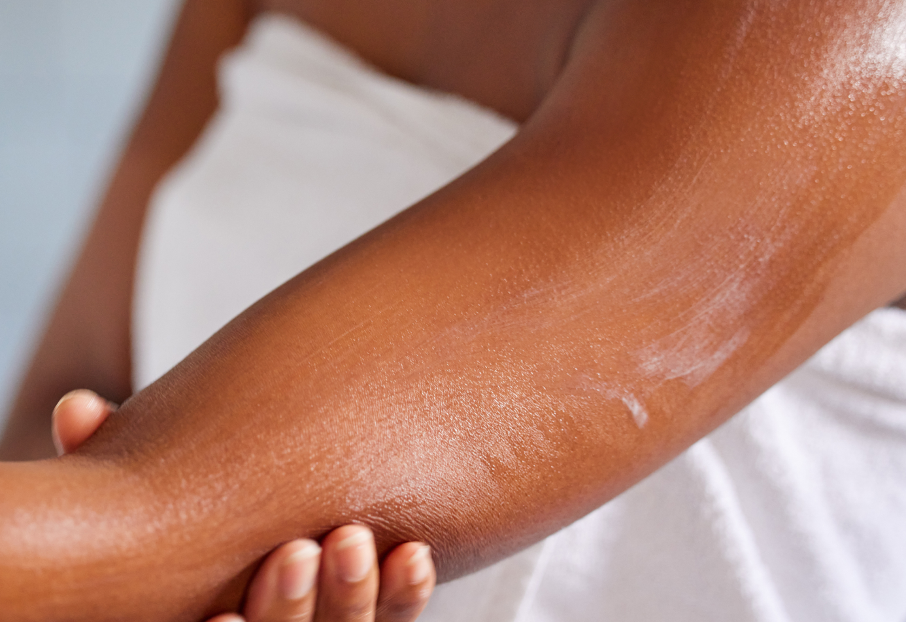
Ever find yourself struggling with dry, flaky skin? Your diet and hydration levels could be to blame. Keeping your skin hydrated is crucial for a healthy, glowing complexion, and what you eat plays a big role in this.
First off, let’s talk about hydration. Drinking enough water is essential for maintaining skin moisture. When you’re dehydrated, your skin can become dry and less elastic. A well-hydrated body helps keep your skin supple and smooth, so make sure you’re drinking plenty of water throughout the day.
But hydration isn’t just about water. Essential fatty acids, like omega-3s*, are also key for keeping your skin in top shape. These fatty acids help maintain your skin’s barrier function, preventing moisture loss and keeping your skin hydrated. Studies have shown that omega-3 fatty acids can improve skin hydration and repair the skin barrier.
For example, research published in The Journal of Dermatological Science found that omega-3s can enhance skin hydration and reduce dryness. Indeed, it shows results that fish oil supplementation can help improve skin hydration, reduce moisture loss, and alleviate dryness-related symptoms! 3
So, if you’re dealing with dry skin, it might be time to up your water intake and include more omega-3-rich foods in your diet. Think fish, flaxseeds, and walnuts. By paying attention to both hydration and essential fatty acids, you can help your skin stay moisturized and healthy.
*Omega-3s are essential fats that play a big role in keeping your body healthy. They’re not produced by your body, so you need to get them from your diet. Omega-3s are great for your heart, brain, and skin. They help reduce inflammation, keep your skin hydrated, and support overall cell health. You can find omega-3s in foods like fatty fish (like salmon and mackerel), walnuts, flaxseeds, and chia seeds. Even though they’re fats, they’re the good kind that your body needs to function at its best.
Eczema and Allergies
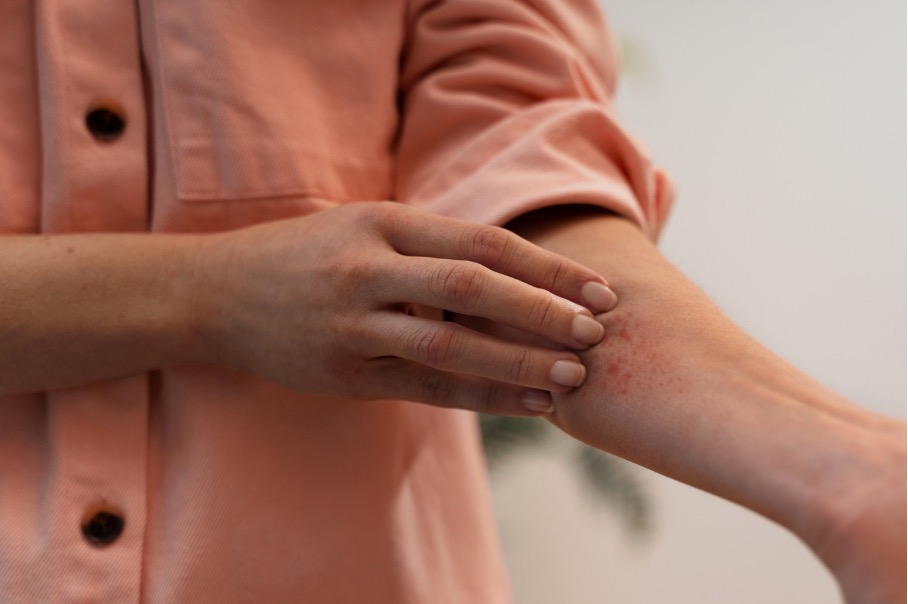
Struggling with eczema or noticing flare-ups? Food allergies and sensitivities might be part of the problem. For many people, certain foods can trigger eczema or make existing symptoms worse.
Food sensitivities, like those to dairy or gluten, are known to impact eczema. When someone with a sensitivity eats these foods, their immune system can react, leading to inflammation and exacerbating eczema symptoms. For example, research has shown that eliminating dairy from the diet can lead to significant improvements in eczema for some individuals. Similarly, gluten has been linked to increased eczema severity in people with gluten sensitivity or celiac disease.
But it’s not just about avoiding trigger foods. An anti-inflammatory diet might also help manage eczema. Foods that reduce inflammation (like fruits, vegetables, nuts, and fatty fish) can help soothe flare-ups and improve overall skin health. A review published in The Journal of Allergy and Clinical Immunology supports this idea, highlighting that anti-inflammatory diets can benefit people with eczema by reducing inflammation and supporting skin barrier function.
So, if eczema is an issue for you, consider keeping track of your diet to identify any potential triggers and explore the benefits of an anti-inflammatory diet. With a bit of trial and error, you might find a diet that helps keep your eczema under control and your skin feeling better.
Skin Aging
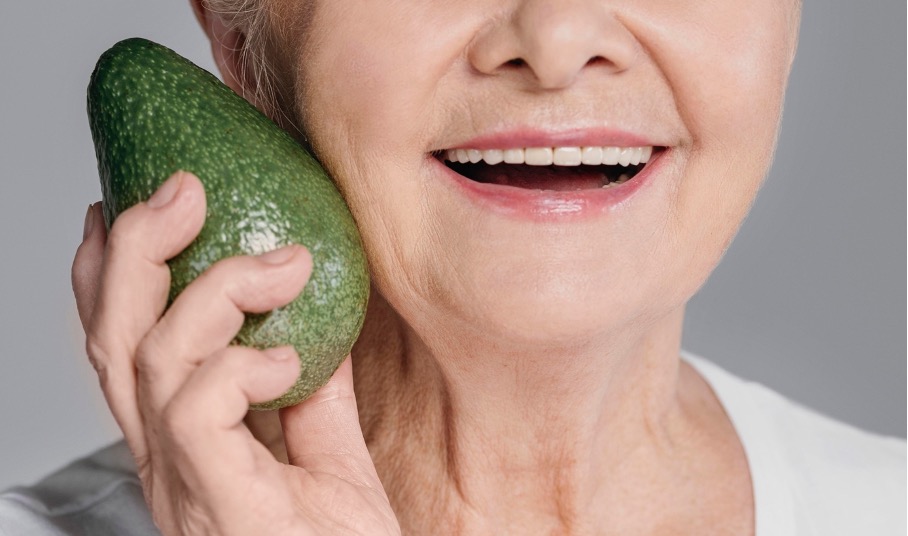
Wondering how your diet might be affecting your skin’s aging process? The foods you eat can play a big role in how your skin ages, influencing everything from wrinkles to elasticity.
One key factor in skin aging is oxidative stress, which can lead to the breakdown of collagen and elastin, the proteins that keep your skin firm and elastic. Antioxidants are crucial here because they help protect your skin from oxidative damage. Foods rich in antioxidants, such as berries, nuts, and green leafy vegetables, can combat free radicals and reduce the visible signs of aging. For instance, studies published in International Journal of Cosmetic Science have shown that antioxidants can help improve skin texture and reduce the appearance of wrinkles by neutralizing oxidative stress.
“Antioxidant actives could be used in combination with other agents that also gives depigmenting functions through other pathways, such as tyrosinase inhibitor** or keratolytic agent***, for reaching the maximum depigmenting effects.” 4
“Besides skin pigmentation, antioxidants also prevent skin damage and aging induced by oxidative stress, which had been widely illustrated by a large number of reviews.” 5
Healthy fats are another important component for youthful skin. Omega-3 fatty acids, found in fish like salmon, as well as avocados and nuts, help maintain skin elasticity and moisture. These fats support the skin’s natural barrier, keeping it hydrated and plump. Research has demonstrated that incorporating healthy fats into your diet can enhance skin hydration and elasticity, making your skin look more supple and resilient.
** tyrosinase inhibitor = enzyme that plays a key role in the production of melanin. Inhibitors of tyrosinase reduce melanin production, helping to lighten dark spots.
*** keratolytic agent = ingredients that help exfoliate the skin by breaking down the outer layer of dead skin cells. This can help to fade dark spots by removing pigmented cells and encouraging the growth of new, evenly toned skin.
Salma Hayek said: “I eat a lot of nuts. I think people are afraid of fat. and fat is your friend.” “I embrace fat, the good fat”, “I drink bone broth”. And she is about to turn 58! She looks stunning! 6
So, if you’re looking to keep your skin looking youthful, focus on a diet rich in antioxidants and healthy fats. By nourishing your skin from the inside out, you can help protect against premature aging and maintain a vibrant complexion.
Skin Brightness and Hyperpigmentation
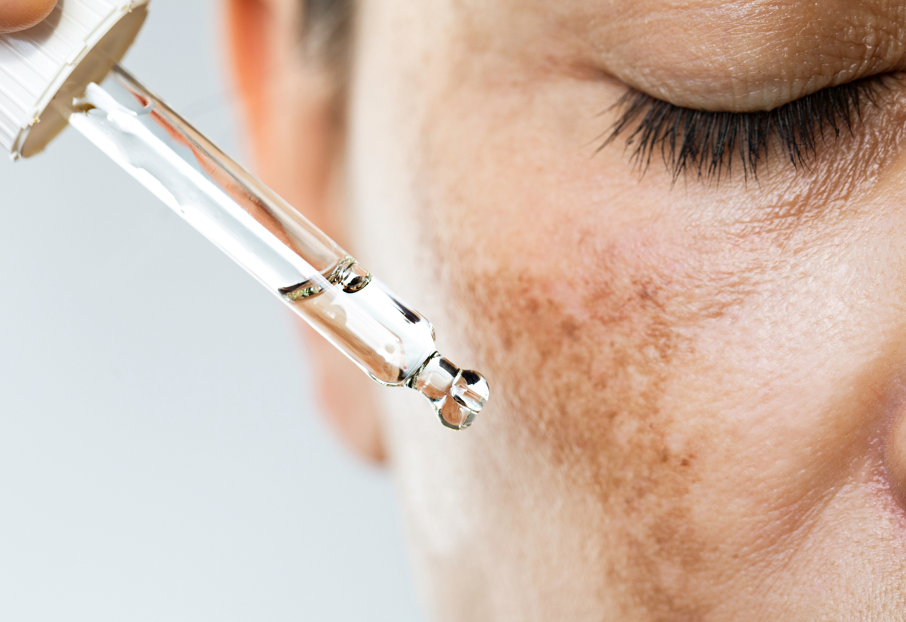
Want to give your skin a brighter, more even tone? Your diet can actually play a big role in achieving that radiant glow. Certain foods can either enhance your skin’s brightness or contribute to uneven pigmentation.
Vitamin C is a superstar when it comes to brightening skin and tackling hyperpigmentation. This powerful antioxidant helps reduce melanin production, which can lighten dark spots and even out skin tone.
“Vit. C, the most plentiful antioxidant in human skin, forms a part of the complex group of enzymatic and non-enzymatic antioxidants that co-exist to protect the skin from reactive oxygen species (ROS)****” 7
It also helps protect your skin from damage and promotes collagen production, which supports overall skin health. Studies, like those published in National Library of Medecine, have shown that Vitamin C can significantly improve skin brightness and reduce hyperpigmentation when applied topically or included in your diet.
“With an excellent safety profile, it finds increasing use in photoageing, hyperpigmentation, tissue inflammation and promotion of tissue healing. Ongoing research has been directed toward improving its delivery into the dermis for stimulating collagen production and scavenging free radicals.” 8
Incorporating Vitamin C-rich foods like oranges, strawberries, and bell peppers can boost your skin’s radiance from the inside out. Along with Vitamin C, a diet rich in other antioxidants and nutrients can support a healthy, glowing complexion.
So, if you’re aiming for brighter skin and want to reduce those stubborn dark spots, focusing on foods high in Vitamin C and other skin-loving nutrients might just be the key to achieving that luminous look.
**** Reactive Oxygen Species (ROS) = These are highly reactive molecules that contain oxygen and can cause damage to cells, proteins, and DNA. They are often produced in the skin due to exposure to UV radiation, pollution, and other environmental factors.
Practical Dietary Tips for Overall Skin Health

Want to keep your skin looking its best? Here are some practical dietary tips that can make a big difference in your skin health:
1. Hydration: Start by drinking plenty of water throughout the day. Staying hydrated helps keep your skin moist and flushes out toxins. Additionally, include water-rich foods like cucumbers, oranges, and watermelon in your diet. These not only hydrate but also provide your skin with essential vitamins.
2. Anti-inflammatory Foods: Incorporate foods that fight inflammation into your meals. Fatty fish like salmon, walnuts, and chia seeds are great sources of omega-3 fatty acids, which help keep your skin supple and reduce inflammation. Leafy greens like spinach and kale also help combat inflammation and support healthy skin.
3. Antioxidants: Eat a colorful variety of fruits and vegetables to get a wide range of antioxidants. Berries, tomatoes, carrots, and peppers are packed with vitamins and antioxidants that protect your skin from damage and help keep it looking youthful. Aim for a rainbow of produce to maximize your antioxidant intake.
4. Balanced Diet: Finally, remember that a balanced diet is key. Make sure your meals include a mix of essential nutrients, including proteins, healthy fats, and complex carbohydrates. This balanced approach supports overall skin health and ensures that your body gets everything it needs to maintain glowing, vibrant skin.
By focusing on these dietary tips, you can support your skin from the inside out and enjoy a healthier, more radiant complexion.
In summary, your diet plays a crucial role in the health and appearance of your skin. From managing acne and dryness to combating eczema and signs of aging, what you eat can have a significant impact. High-glycemic foods and dairy might worsen acne, while staying hydrated and consuming healthy fats can improve skin moisture and elasticity. Antioxidants and Vitamin C can brighten your skin and reduce hyperpigmentation, and anti-inflammatory foods may help manage conditions like eczema.
Take a moment to reflect on your own dietary habits and consider how they might be affecting your skin. Small changes in what you eat (like drinking more water, adding more fruits and veggies, or cutting back on processed foods) can make a noticeable difference in your skin’s health and appearance.
And you? Have you noticed changes in your skin based on what you eat? Feel free to share your stories in the comments! For more personalized advice, consider reaching out to a nutritionist or dermatologist who can help tailor recommendations to your specific needs.
Stay tuned for more article! See you soon, Beautifully Moi!
- Source: American Academy of Dermatology Association; Can the Right Diet Get Rid of Acne? ↩︎
- Source: American Academy of Dermatology Association; Can the Right Diet Get Rid of Acne? ↩︎
- Source: Journal of Dermatological Science, Volume 79, Issue 3, September 2015, page 298-304; Oral Supplementation with fish oil reduces dryness and pruritus in the acetone-induced dry skin rat model ↩︎
- Source: International Journal of Cosmetic Science; Oxidative stress in the skin: Impact and related protection ↩︎
- Source: International Journal of Cosmetic Science; Oxidative stress in the skin: Impact and related protection ↩︎
- Source: See several articles on Google! ↩︎
- Source: National Library Of Medicine; Vitamine C in Dermatology ↩︎
- Source: National Library Of Medicine; Vitamine C in Dermatology ↩︎
 Beautifully Moi
[…] English version here […]
LikeLike