
- What is Urea?
- The Benefits of Urea for Skin: Hydration, Exfoliation, Repair
- Urea in Skincare: Which Concentration to Choose Based on Your Skin Type?
- Who is urea skincare for? Dry skin, sensitive skin, keratosis pilaris…
- How to Add Urea to Your Skincare Routine
- Can urea be combined with other active ingredients in face and body skincare?
- The Best Urea Creams I’ve Tested: Reviews and Comparison
- Conclusion: Why Should You Include Urea in Your Skincare Routine?
Urea is a natural ingredient found in our bodies, essential for maintaining well-hydrated, healthy skin. In skincare, it is widely recognized for its exceptional ability to attract and retain moisture in the skin, while gently exfoliating dead skin cells. The result? Smoother, softer, and deeply hydrated skin.
Although many have heard of urea, few truly understand its multiple benefits. In recent years, it has become a key ingredient in moisturizers and targeted skincare treatments, thanks to its effectiveness in nourishing the skin deeply and protecting it. What sets urea apart from other active ingredients is its ability to effectively address various skin concerns, such as dryness, rough patches, and even certain skin conditions like eczema. For all these reasons, urea has become a must-have in modern skincare routines.
What is Urea?

Urea is a naturally occurring molecule found in the outermost layer of our skin, called the stratum corneum. It plays a vital role in hydration by attracting and retaining water, and is part of the Natural Moisturizing Factor (NMF) that keeps skin soft, smooth, and healthy.
Our body produces urea during the breakdown of proteins, and it is also known as a component of urine. But don’t worry, the urea used in skincare is a synthetic version, created in labs to be safe and effective for the skin. While it’s not identical to the naturally produced urea, it works in a similar way by maintaining hydration and softening the skin. Additionally, it has gentle exfoliating properties, making it a valuable ingredient in many skincare products.
The Benefits of Urea for Skin: Hydration, Exfoliation, Repair

Hydration:
Urea is a natural humectant, which means it attracts water to the skin and helps retain it. Thanks to urea, the skin stays well-hydrated, soft, and supple, even when it tends to feel tight.
Exfoliation:
Urea has mild keratolytic properties, which means it helps to gently exfoliate dead skin cells from the surface. This helps to improve skin texture and makes the skin look smoother and fresher without being harsh or irritating.
Barrier Repair:
Urea also supports the skin’s barrier function, which is crucial for keeping moisture in and irritants out. This makes it especially beneficial for people with dry, rough, or sensitive skin, as it helps strengthen and repair the skin barrier.
Soothing:
Urea has anti-itch and soothing properties, which can be very helpful for those dealing with skin conditions like eczema, psoriasis, or other forms of irritation. It calms the skin and reduces discomfort, making it a great ingredient for sensitive and problem-prone skin types.
These unique benefits make urea a versatile and effective ingredient that can be a game-changer in any skincare routine.
Urea in Skincare: Which Concentration to Choose Based on Your Skin Type?
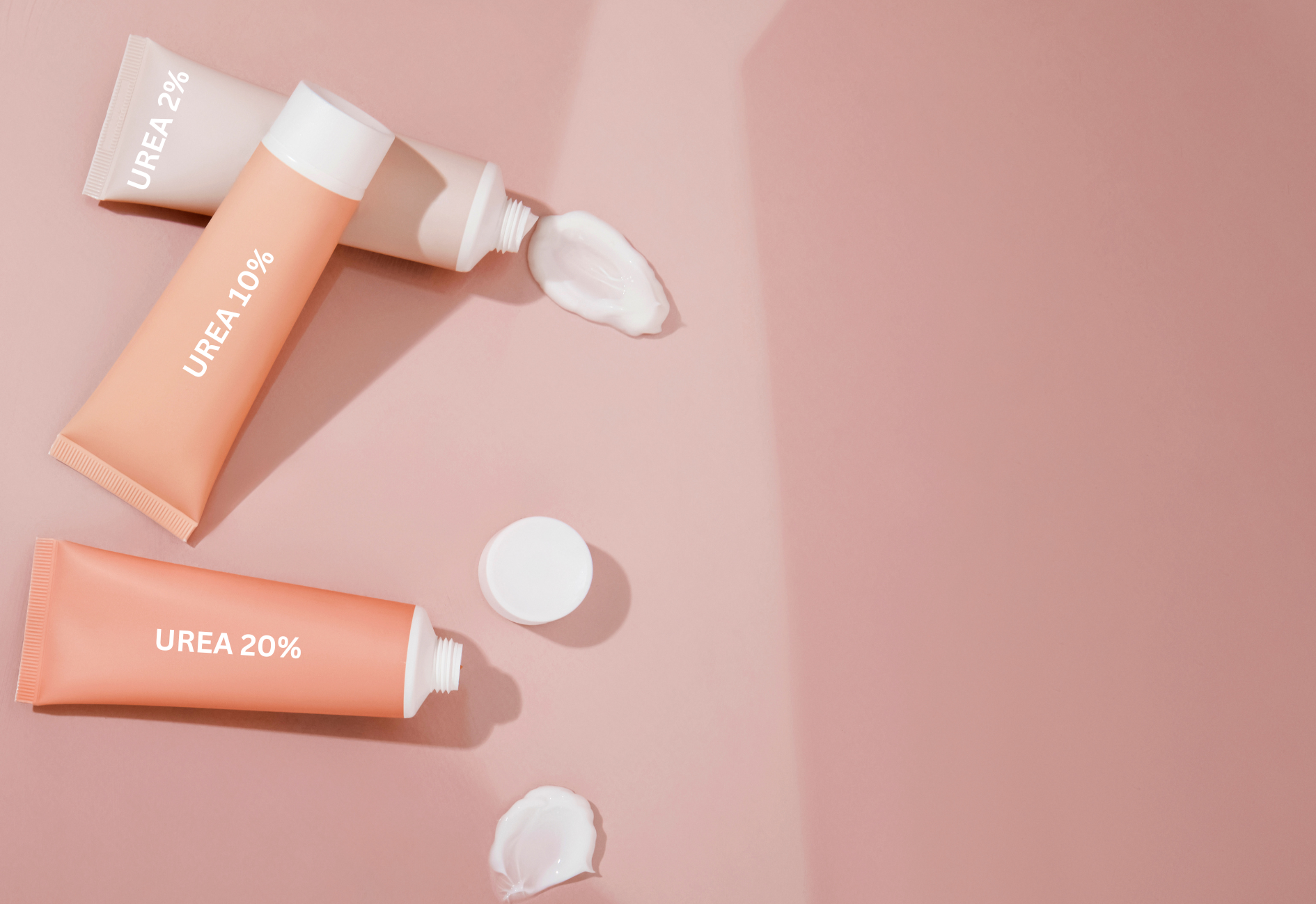
Urea is found in various skincare products at different concentrations, with each level offering specific benefits for the skin.
Low Concentration (2-10%):
At this level, urea mainly acts as an excellent moisturizer. It helps the skin retain water, strengthens the skin barrier, and soothes irritation.
-> Ideal for: dry, sensitive, or dehydrated skin, safe for daily use without risk of irritation.
Medium Concentration (10-20%):
These formulas provide more intense hydration and gentle exfoliation. Urea helps to remove dead skin cells, improving the skin’s texture and softness while maintaining good hydration levels.
-> Ideal for: rough patches, thickened skin, or areas prone to keratosis pilaris.
High Concentration (20-40% and above):
Here, we’re talking about targeted treatments. At high concentrations, urea has a strong keratolytic effect: it dissolves dead skin cells, softens calluses, and repairs very dry or cracked areas.
-> Ideal for: heels, elbows, psoriasis, very thickened or damaged skin. Use occasionally, often under medical advice.
How to Choose the Right Urea Concentration?
It mainly depends on your skin type and your goals.
- For maintaining soft skin daily, a low concentration is enough.
- To target rough or dull areas, a 10-20% formula can make a difference.
- And for more serious issues, concentrated formulas are your best allies—but it’s best to consult a professional if you’re unsure.
Who is urea skincare for? Dry skin, sensitive skin, keratosis pilaris…

Do you have dry, flaky, or rough skin? Urea can be a valuable ally. Thanks to its moisturizing and mild exfoliating properties, it softens the skin, improves comfort, and restores a healthier appearance.
If you suffer from eczema, psoriasis, or keratosis pilaris, urea can also help relieve itching and discomfort. For keratosis pilaris, it gently exfoliates rough patches and helps smooth the skin.
Things to Keep in Mind:
- Potential Side Effects: Some may experience irritation or a stinging sensation, especially if your skin is sensitive or broken. High concentrations might cause redness or burning.
- Not for Very Sensitive Skin: If your skin is inflamed or has open wounds, use lower concentrations and do a patch test first.
How to Add Urea to Your Skincare Routine
Incorporating urea-based products into your routine can truly improve your skin’s hydration and texture. Here are some tips to get started.
Start Slowly:
Starts 1x or 2x/week and see how your skin reacts! Gradually increase the frequency!
Apply After Cleansing:
A clean Skin is ready to absorb the product effectively! Apply small amount, focusing on dry or rough patches!
Layering with Other Products:
- Serums and Oils: Apply it before serums or oils and let it absorb for a few minutes. This ensures effective hydration and exfoliation before locking in moisture with your next products.
- Moisturizers: Apply your urea product first, then follow with a moisturizer to seal in hydration and boost your skin’s moisture barrier.
- Sunscreen: Always apply sunscreen after using urea-based products in the morning to ensure full skin protection.(While urea itself doesn’t increase sun sensitivity, maintaining a good sunscreen routine is crucial for overall skin protection.)
Frequency of Use:
Depends on the concentration of the urea in the product
- Low Concentration (2-10%): Daily use
- Medium Concentration (10-20%): 2-3 times a week, depending on how your skin responds.
- High Concentration (20-40% and above): Less frequently, such as 1-2 times a week or as recommended by a dermatologist, especially for targeted treatments.
Avoiding Irritation:
If you experience irritation or redness, reduce the frequency or opt for a lower concentration. It’s always recommended to do a patch test before applying more broadly.
Can urea be combined with other active ingredients in face and body skincare?
Urea is a versatile ingredient and can generally be combined with other actives to maximize benefits in a skincare routine. However, some combinations require caution, especially depending on the concentration used. Here’s an overview of possible pairings and precautions to keep in mind.
Actives that are compatible with urea
Hyaluronic Acid:
An excellent combo. Urea attracts water, hyaluronic acid locks it in. Perfect for boosting hydration.
Ceramides, niacinamide, panthenol:
These ingredients strengthen the skin barrier, just like urea. They are very well tolerated together.
AHA/BHA (glycolic, lactic, salicylic acids):
Yes, but be careful with sensitivity. Urea provides gentle exfoliation, so avoid using these too often together or apply them at different times in your routine (morning/evening or every other day).
Retinoids (including tretinoin):
Use with caution. Urea helps reduce dryness caused by retinoids, but the combination can be irritating for sensitive skin. It’s recommended to start slowly.
Note: I’ve personally tested this combo with tretinoin twice. You can read about my experiences in these two articles: “Combining Urea and Tretinoin: Does It Work for Sensitive Skin?” and “Urea and Tretinoin: How I Was Surprised by My Second Try on My Acne-Prone, Sensitive Skin.”
Active ingredients to avoid with urea: precautions and usage tips
Vitamin C (pure ascorbic acid):
This combination can be irritating. Since vitamin C is acidic, it may interact with the pH of urea. If you want to use them together, space out the applications or use a buffered form of vitamin C.
Strong chemical peels or exfoliants:
If you’re using a high-concentration urea product (>20%), avoid combining it with concentrated chemical peels or harsh scrubs. This could damage your skin’s barrier.
The Best Urea Creams I’ve Tested: Reviews and Comparison

Each cream has its own special qualities, and several have become must-haves in my skincare routine. Like:
Eucerin UreaRepair Plus 5% Urea Cream (Specially for Hands and Feet)

This cream has become my winter lifesaver. My hands tend to crack easily in cold weather, and the 75 ml version worked wonders: it softens, deeply hydrates, and most importantly, absorbs quickly without leaving a greasy residue.
I also tried it on my feet with excellent results! By the next day, my skin was soft, smooth, and free of dryness or itching. All of this without needing any exfoliation. Its scent is neutral, which doesn’t bother me at all.
ISDIN Ureadin Ultra 10% Urea Lotion – For Keratosis Pilaris
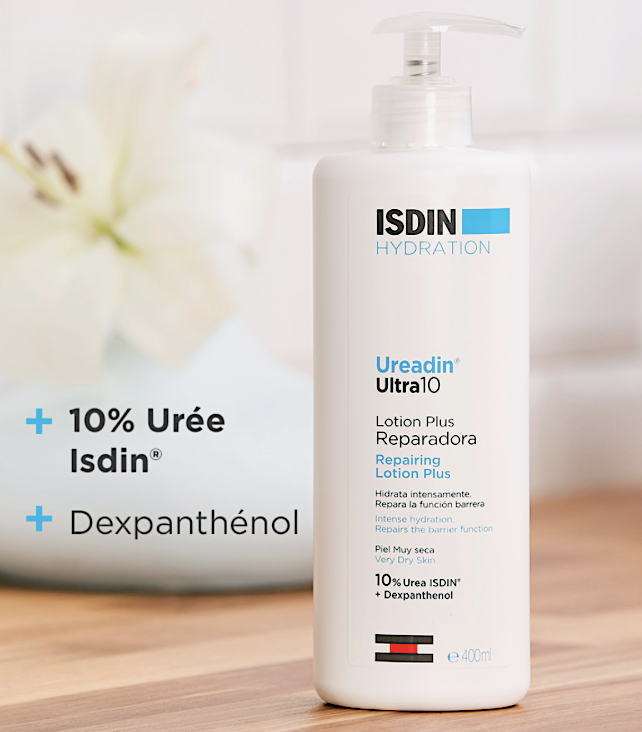
I bought this lotion on the recommendation of Dr. Shereene, a dermatologist I follow on YouTube. Its light texture and fresh, soap-like scent won me over from the very first uses.
I mainly used it on my legs and thighs (affected by keratosis pilaris, also known as “chicken skin”):
- The formula with Dexpanthenol (provitamin B5) really helps to repair and soothe.
- My skin stayed smooth, non-sticky, and the KP visibly improved after a few weeks.
- A small downside: slight redness at first, which is normal with the exfoliating effect of urea.
Note: I temporarily stopped using it during my laser hair removal sessions as a precaution (exfoliating effect = potentially more sensitive skin), but I’m eager to start again soon. And fun fact: laser hair removal also improved my KP, I’ll tell you more about that very soon in a dedicated article!
*Dexpanthenol=known as provitamin B5, is a derivative of pantothenic acid (vitamin B5). Used in skincare and medical products due to its moisturizing and healing properties.
Mixa Urea 10% Cream, Mixed feelings about the face!
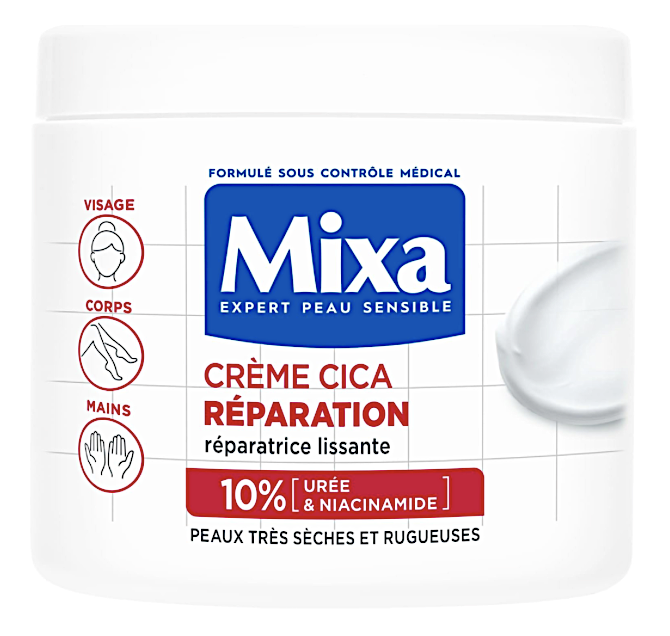
Drawn by its apricot scent (which is quite strong, by the way), I bought this cream for my face to complement my tretinoin routine.
I knew urea was exfoliating, but I was mainly counting on its moisturizing benefits… bad call:
-> Result: eczema on my cheeks, significant stinging, and discomfort.
-> I stopped using it quickly. You can read all the details of this reaction in the article “Combining Urea and Tretinoin: Does It Work for Sensitive Skin?” as well as “Urea and Tretinoin: How I Was Surprised by My Second Try on My Acne-Prone, Sensitive Skin.”
Conclusion: It’s still a good option for the body (maybe on legs or feet), but best avoided on sensitive skin or when using strong actives like tretinoin. That said, it exfoliates really well, so for that purpose, it does the job!
My final verdict on these urea-based creams
In summary, each of these urea creams has found its place in my routine, and they’ve truly convinced me in their own way. Whether you have dry hands, keratosis pilaris, or are simply looking for a good moisturizing cream, these products are definitely worth checking out.
Even though I bought them for specific uses (Eucerin for hands/feet, ISDIN for legs/thighs, Mixa for the face), they remain very versatile. You don’t always need a different product for each area, urea works broadly to improve skin texture and hydration, no matter the part of the body.
Conclusion: Why Should You Include Urea in Your Skincare Routine?
Urea-based products have clearly proven their effectiveness in my routine, targeting various skin concerns.
- The Eucerin UreaRepair Plus 5% Cream has been perfect for dry, rough areas, especially in winter: my hands and feet stay soft and crack-free.
- The ISDIN Ureadin Ultra 10% Lotion visibly improved my keratosis pilaris, despite some initial redness (which makes sense given its exfoliating effect).
- Finally, the Mixa Urea 10% Cream, while pleasant thanks to its apricot scent, doesn’t suit my face as it’s too exfoliating, but it remains very useful for the body.
Each urea-based product has its benefits and it all depends on your needs: dryness, roughness, keratosis pilaris, or simply boosting your skin’s hydration.
What about you? Have you ever used urea creams? Were you familiar with this ingredient before reading the article?
I’d love to hear about your experiences, favorite products, and results! Share everything in the comments below.
See you soon, Beautifully Moi!
 Beautifully Moi
[…] English version here […]
LikeLike
[…] To start with, let’s break down what urea does. Urea is a keratolytic, which means it helps exfoliate the skin by breaking down the bonds between dead skin cells, making them easier to shed. This is particularly helpful for people with dry skin, as it removes the buildup of dead cells that can make the skin feel rough, look dull, or appear flaky. Beyond exfoliation, urea is also a humectant—it draws moisture into the skin, hydrating it deeply and strengthening the skin barrier. This dual action makes urea an ideal ingredient for treating dry skin and improving overall skin texture. It is even recommended for those with conditions like eczema and psoriasis due to its gentle yet effective properties. If you want to learn more about the benefits and uses of urea in skincare, be sure to check out my previous article here. […]
LikeLike
wow interesting, I had no idea urea had these many properties ! 🙂
LikeLiked by 1 person
Thank you very much for your nice comment 🙂 Indeed, urea works wonders in skincare!
LikeLike
now somebody can use urea for there glowing skin
LikeLiked by 1 person
Haha, glad I could help! 🙂
LikeLike