
- Sebaceous Hyperplasia
- How is Sebaceous Hyperplasia Diagnosed?
- Prevention of Sebaceous Hyperplasia
- Treatments options for Sebaceous Hyperplasia
- My experience using tretinoin to treat my sebaceous hyperplasia
- Exploring Other Treatment Options
- Managing Expectations: What I’ve Learned from This Journey
Have you ever looked in the mirror and noticed those tiny, persistent bumps on your face that just won’t go away? Yeah, me too. They showed up on my forehead and near my nose, and at first, I had no idea what they were. I figured it was just regular acne or clogged pores, but these bumps were different. No matter how many products I tried, they wouldn’t budge.
We all know that skin changes over time; whether it’s due to acne, scars, aging, or sun damage. We all have something that we wish we could treat or change. For me, it’s not just those little bumps, but also the deep acne scars on my forehead and chin. These two skin concerns have been my biggest struggles. The three bumps on my forehead really stand out to me, especially since my acne scars already make me self-conscious. Adding those bumps into the mix? Let’s just say it’s not been easy to ignore.
At first, I didn’t realize what was going on. I thought they were little cyst-like pimples because of their round shape. The one near my nose was a bit different had a more “donut” shape, which made me think it was some sort of skin growth or excrescence. But after that visit with my dermatologist, it all made sense: these were all sebaceous hyperplasia.
Now, that I finally learned the name of these stubborn spots: sebaceous hyperplasia; a skin condition where your oil glands go into overdrive, creating small, harmless bumps. While it’s not dangerous, it can definitely be frustrating. My dermatologist prescribed tretinoin, a treatment known to help with a variety of skin issues. I was hopeful. But after two years of diligently applying it, every night, those bumps are still here.
In this article, I want to share my personal journey with sebaceous hyperplasia, what tretinoin did (and didn’t) do for me, and the treatment options I’m considering next. If you’re dealing with these bumps or are simply curious about what sebaceous hyperplasia is, I hope my story helps guide you toward the best solution for your skin.
But first, let’s dive into what exactly sebaceous hyperplasia is and how it can be treated.
PS: This article is based on my personal experience and my diagnosis of sebaceous hyperplasia. It’s important to note that I am not a doctor, and it’s crucial to consult a healthcare professional for an accurate diagnosis and appropriate treatment. Never underestimate the importance of a medical consultation!
Sebaceous Hyperplasia
Sebaceous hyperplasia is a benign skin condition characterized by small, flesh-colored to yellowish bumps on the skin, usually found on the face, particularly around the forehead, nose, and cheeks. These bumps occur due to the enlargement of sebaceous (oil-producing) glands and are most common in middle-aged or older adults.
Causes: Sebaceous hyperplasia is mainly caused by an overgrowth of the sebaceous glands. These glands produce sebum, an oily substance that lubricates the skin. When the glands enlarge, they can form bumps.
Symptoms: These lesions appear as small (1-5 mm) dome-shaped bumps, sometimes with a slight central depression or visible tiny blood vessels (telangiectasias). They are typically painless but can be aesthetically bothersome.
How is Sebaceous Hyperplasia Diagnosed?

Diagnosing sebaceous hyperplasia is usually straightforward, based on the appearance of the lesions. However, if the bumps resemble other skin conditions like basal cell carcinoma (a type of skin cancer), a dermatologist may perform a biopsy to rule out malignancy.
Always ask your dermatologist about any changes that appears on your skin. The sebaceous hyperplasia was indeed diagnosed by mine!
Prevention of Sebaceous Hyperplasia
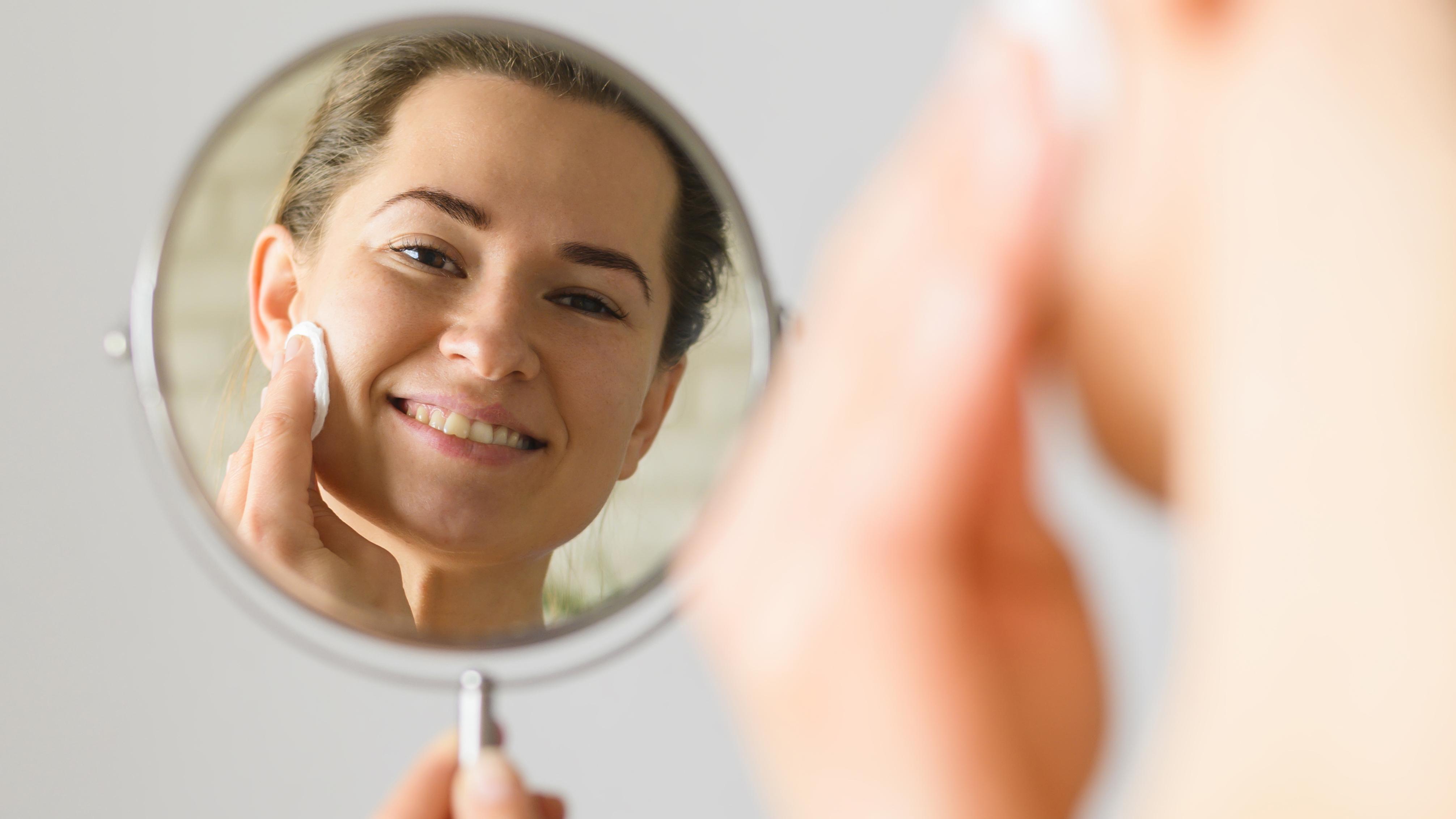
While sebaceous hyperplasia cannot be completely prevented, there are several steps you can take to minimize the risk of its development and to maintain overall skin health:
1. Maintain a Consistent Skincare Routine: Establishing a regular skincare regimen that includes cleansing, exfoliating, and moisturizing can help keep your skin healthy. Use gentle, non-comedogenic products that won’t clog your pores.
2. Use Sunscreen: Protecting your skin from sun damage is crucial. UV exposure can exacerbate skin conditions and contribute to the enlargement of sebaceous glands. Choose a broad-spectrum sunscreen with an SPF of at least 30 and apply it daily, even on cloudy days.
3. Limit Oil Production: Using products that help regulate sebum production can be beneficial. Look for ingredients like salicylic acid or niacinamide in your skincare products, which can help keep oiliness in check.
4. Avoid Harsh Treatments: Be cautious with aggressive skin treatments or products that may irritate the skin, such as certain types of peels or abrasive scrubs. Over-exfoliating can lead to increased oil production and potential skin issues.
5. Healthy Lifestyle Choices: A balanced diet rich in antioxidants, vitamins, and minerals can support skin health. Stay hydrated, manage stress levels, and avoid smoking, as these factors can impact your skin’s condition.
6. Regular Dermatologist Visits: Regular check-ups with a dermatologist can help catch any skin changes early. They can provide personalized advice and recommend preventive measures based on your skin type and concerns.
7. Know Your Skin Type: Understanding your skin type can help you choose the right products and treatments. If you’re prone to oily skin, consider lighter formulations that won’t exacerbate oiliness.
By implementing these preventive measures, you can help maintain your skin’s health and potentially reduce the risk of developing sebaceous hyperplasia in the future.
Treatments options for Sebaceous Hyperplasia
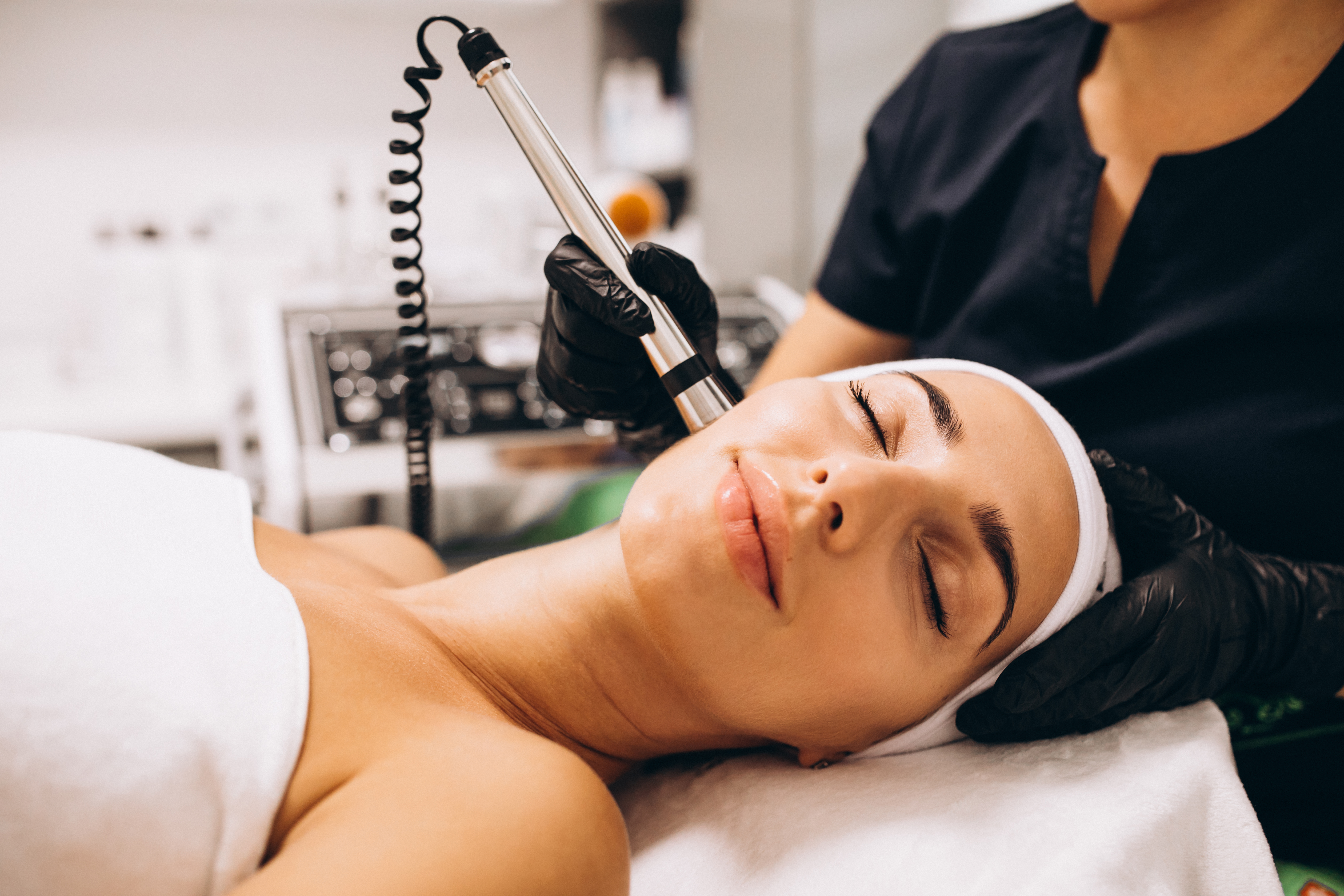
While sebaceous hyperplasia is not harmful, many people seek treatment for cosmetic reasons. Treatment options include:
- Topical Treatments: Tretinoin, a retinoid derived from Vitamin A, is often prescribed to reduce sebaceous gland activity.
- Laser Therapy: Pulsed dye lasers or CO2 lasers can help reduce the appearance of lesions by targeting excess oil production.
- Cryotherapy: Freezing the lesions with liquid nitrogen can reduce the size of the bumps.
- Electrocautery: This involves using heat to destroy the sebaceous glands.
- Photodynamic Therapy: Light-based treatments combined with topical medications can reduce lesions.
Curious to dive deeper into retinoids?
Get my 32-page beginner-friendly retinoid guide for free when you subscribe [here], or grab it anytime on Gumroad for just €4.90 [here]!
My experience using tretinoin to treat my sebaceous hyperplasia
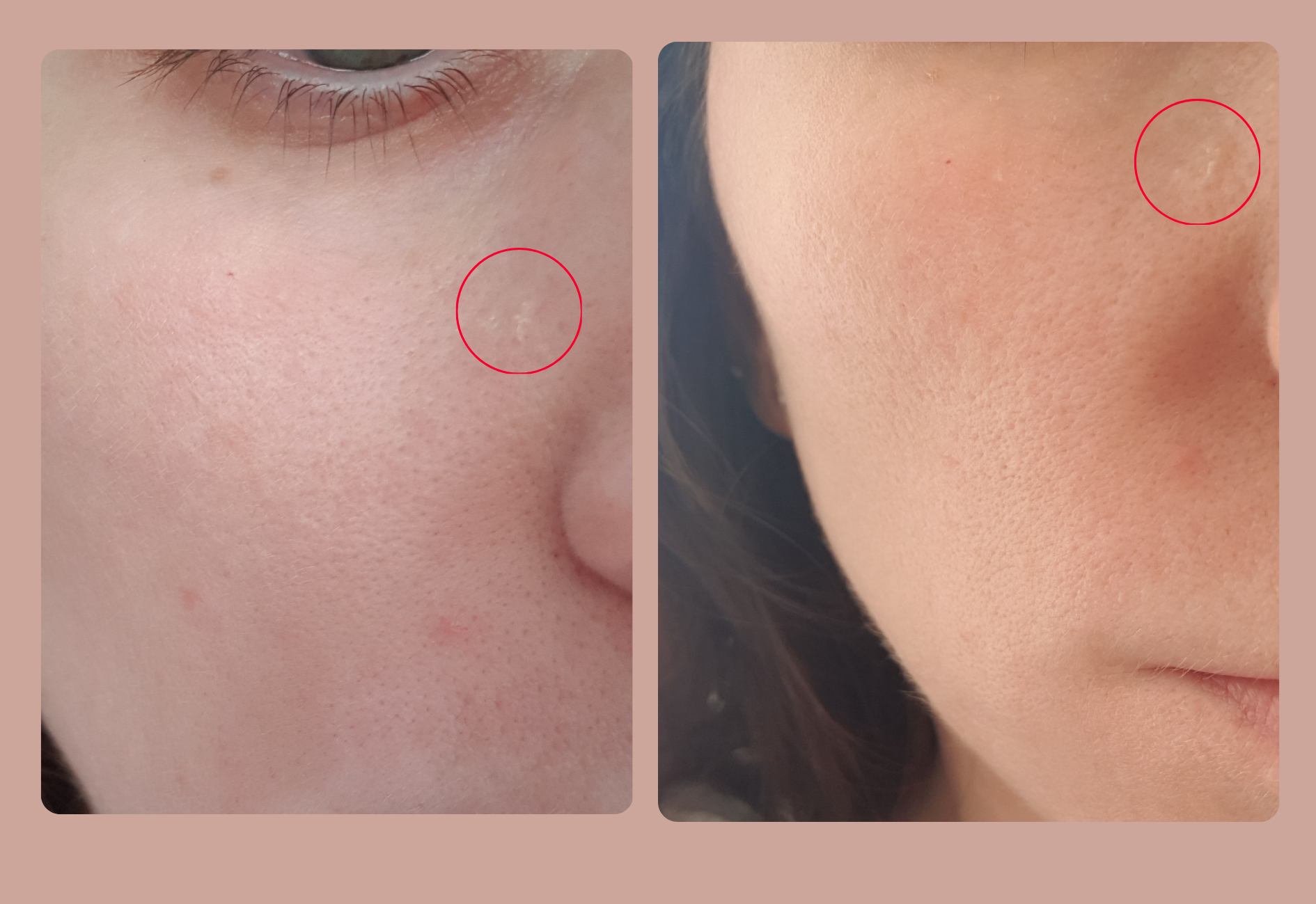
The sebaceous hyperplasia near my nose? As far as I can remember, I’ve always had it. I think it first appeared in my early twenties or maybe even in my late teens. Back then, I wasn’t really into skincare, despite dealing with acne since I was 14. I didn’t pay much attention to it because, honestly, I was more concerned with my acne. The small white bump near my nose was barely noticeable, especially with my acne and rosacea taking center stage at that time.
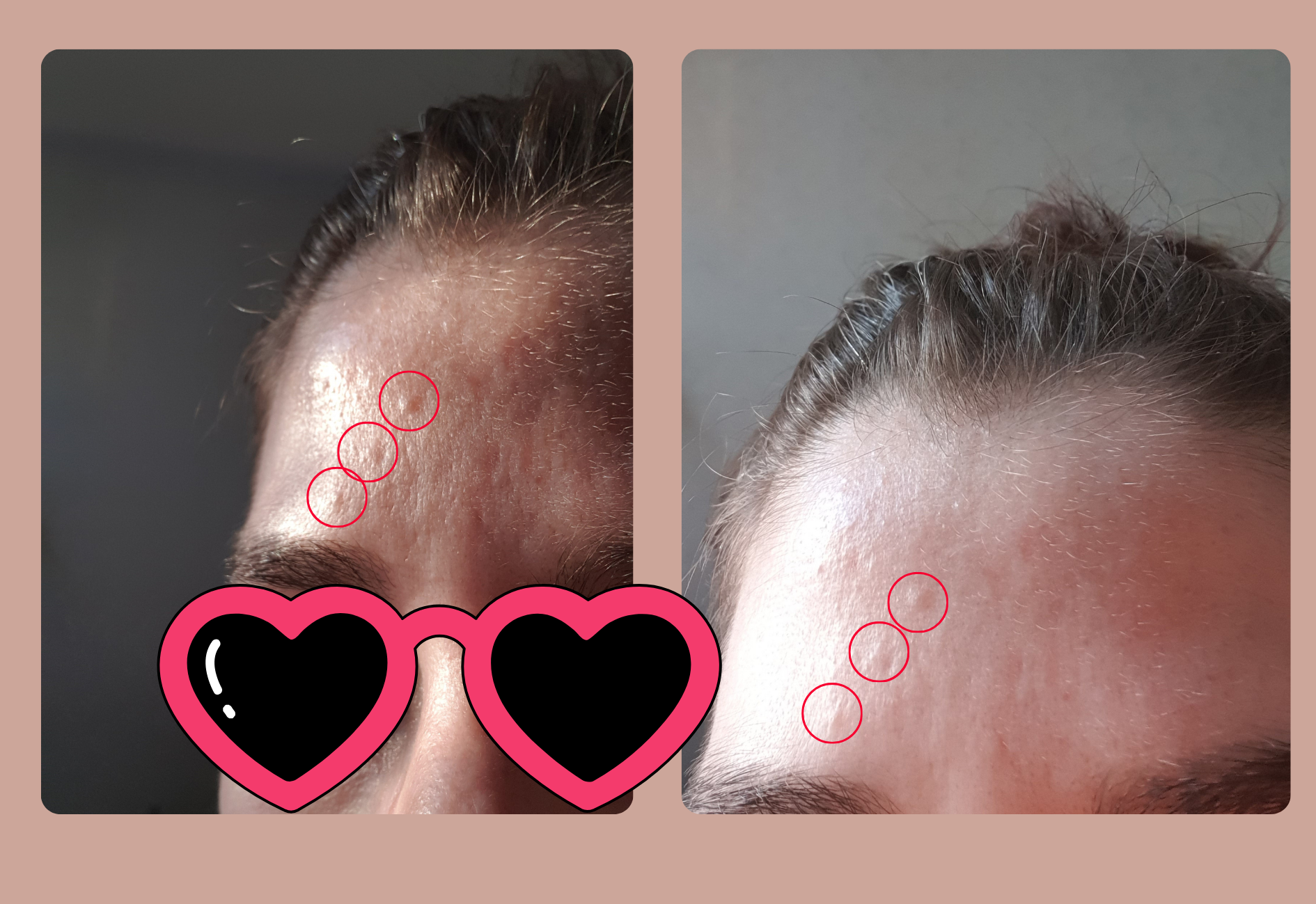
I just assumed it was something my skin had, and I didn’t look into it further. It only started to bother me when I noticed three more sebaceous hyperplasia bumps appear on my forehead.
This happened while I was on isotretinoin. Around six months into the treatment, I spotted these three bumps on my forehead, each a different size. At first, I thought they were cystic acne beneath the surface of my skin, and that the treatment would eventually clear them up. But after a month (now seven months into isotretinoin), the bumps were still there. Another month passed, and they still hadn’t disappeared. That’s when I asked my dermatologist, and she confirmed that these bumps were also sebaceous hyperplasia.
Mind you, in some articles I read online, they mentioned that oral isotretinoin (Accutane) can help get rid of sebaceous hyperplasia… well, not in my case!
She explained that sebaceous hyperplasia often appears with age, and in my case, tretinoin could help reduce or eliminate them.
As you might already know, I’ve been using tretinoin for two years now. You can check out my full routine with tretinoin [here]. Tretinoin works by speeding up skin cell turnover and regulating oil production. But since sebaceous hyperplasia is caused by an overgrowth of the sebaceous glands, tretinoin isn’t always strong enough to shrink the enlarged glands.
And, sadly, tretinoin hasn’t worked for my sebaceous hyperplasia. You can see in the pictures below that the bumps are still there.
I even tried popping and scratching at the sebaceous hyperplasia, thinking it might go away like a regular pimple. All it did was form a scab, but when the scab eventually came off, the bumps were still there, unchanged. I finally realized that I needed a more radical treatment, and that I couldn’t get rid of sebaceous hyperplasia on my own!.
My Sebaceous Hyperplasia: Pictures

There are a few reasons why tretinoin might not be effective for everyone:
- Chronic Nature of the Condition: Sebaceous hyperplasia can be persistent and may not fully respond to topical treatments alone.
- Severity of the Lesions: Larger or deeper lesions may require more aggressive treatments such as laser therapy or electrocautery.
- Genetic Factors: Some individuals may be genetically predisposed to sebaceous hyperplasia, making it harder to treat with medications like tretinoin.
Exploring Other Treatment Options

Since tretinoin did not work as expected in my case, I’ve been considering other treatment options. Here’s a brief overview of treatments that exists:
- Laser Treatment: Targeting the bumps directly using laser technology can be an effective way to reduce or remove sebaceous hyperplasia.
- Electrocautery: This method uses heat to burn off the lesions. It’s a precise and quick procedure that can lead to good cosmetic results.
- Combination Therapy: Sometimes, combining topical treatments like tretinoin with in-office procedures such as photodynamic therapy or laser treatment can offer better results.
Although tretinoin didn’t resolve my sebaceous hyperplasia, I am optimistic about trying these other treatments. I’m particularly interested in laser therapy, as it seems to offer a more targeted approach for stubborn lesions.
Before taking an appointement for the laser CO2, I want to have a full diagnosis about my face skin. As I said earlier, I have deep acne scars around my cheeks and forehead (as you can see in the pictures above my damaged forehead) and those sebaceous hyperplasia that really bother me so I want to have a consultation where the dermatologist will take the time to diagnose my skin and recommends me treatments that are effectives on those issues that I have with my skin.
A friend of mine recommended me a clinic where a dermatologist can diagnose your skin and can suggest you effective treatment, I planning to go there and get a full skin diagnosis and ask for different option that can get rid of my sebaceous hyperplasia (and my deep acne scars).
I will let you know how the consultation went and what the treatments will be considered for my issues.
Update: I went to the dermatologist, you can check out my full skin diagnosis using the Visia analysis here, and the treatments she recommended based on it here!
Managing Expectations: What I’ve Learned from This Journey

Treating sebaceous hyperplasia requires patience, and what works for one person may not work for another. Tretinoin, while helpful for many skin concerns, may not always be the ultimate solution for this condition.
We need to:
- Be Patient with Treatments: Some treatments take time to show results, but don’t be afraid to consult with your dermatologist if progress stalls. In my case, I can say that after 2 years of using tretinoin, I will explore other options!
- Explore Alternatives: If one treatment doesn’t work, there are many other options to consider.
- Self-Acceptance: While sebaceous hyperplasia can be bothersome, it is a harmless condition, and it’s important not to let it affect your self-esteem too much.
Living with sebaceous hyperplasia hasn’t been the most pleasant experience. Let’s be honest, these little bumps aren’t exactly pretty, and dealing with them for two years, even with treatments like tretinoin, has been frustrating. But what I’ve learned is that it’s not the end of the road. There are solutions out there, and while some options may take longer to show results, others could be exactly what we need to clear up our skin.
I’m still on this journey myself. Next, I’ll be trying out other treatments like CO2 laser therapy or maybe even microneedling, and I’ll be documenting every step. Why? Because I want to give you an honest, real-life account of what it’s like to live with sebaceous hyperplasia and the treatments that actually make a difference. That way, if you’re in the same boat, you’ll have my firsthand experience to help guide you in making your own decisions.
Sebaceous hyperplasia can be stubborn, but with the right approach, we can find what works. If you’re dealing with it too, remember you’re not alone! And there are definitely options to explore!
Stay tuned as I update you on my next steps in tackling this! I’ll be sharing my honest thoughts, results, and everything in between, so you can see for yourself what might work for you.
Let’s Talk: Your Turn!
Have you ever dealt with sebaceous hyperplasia, or are you currently dealing with it? What treatments have you tried, and how have they worked for you?
If you’ve used tretinoin for sebaceous hyperplasia or other skin conditions, what was your experience like?
What skin conditions have you faced, and how did you manage to treat them?
Feel free to share your experiences in the comments! I’d love to hear what’s worked for you or what hasn’t, so we can all learn from each other’s journeys. Let’s keep the conversation going!
See you soon, Beautifully Moi!
 Beautifully Moi
[…] English version here […]
LikeLike
[…] (no filter, no edit) After using the urea/tretinoin combination (same lighting as the before pictures). You can see the little red spots all over my forehead. I took these pictures just two days after quitting the urea/tretinoin combination, and you can see only the red acne scars. Once I stopped this combination, my acne started healing very quickly. (Yes, you’re seeing it right, pimples over my sebaceous hyperplasia!) […]
LikeLike