
Important: Do not use retinoids if you are pregnant or breastfeeding!!
- Understanding Retinoids
- How are different retinoids transformed in the body?
- The Effectiveness of Retinoids: What You Need to Know!
- New Regulation in Europe: What Changes for Retinol?8
After years of battling acne and desperately seeking solutions for radiant, flawless skin, I found myself immersed in a world of trying out various treatments. I’ve tried everything, even the highly controversial Isotretinoin (for more information, check out the articles: “My Quest for Perfect Skin with Isotretinoin: An Intimate Journey” or “My Post-Isotretinoin Journey: Assessment at 1 Month, 3 Months, and 1 Year and a Half“), yet acne still remains a daily challenge for me.
It was after completing my oral anti-acne treatment that my dermatologist prescribed me a new “weapon”: tretinoin cream, which would help me maintain the effects achieved with isotretinoin.
Right now, tretinoin, retinal, and retinol are buzzing on social media and throughout the skincare industry. But what’s the real difference between these three active ingredients1 ? In this article, we’ll delve into the world of retinoids to better understand what we’re applying to our skin.
In addition to that, we’ll discuss the new European regulations regarding the use of these retinoids, a development that has raised concerns in the skincare industry.
So, are you ready to discover everything you need to know about the hottest skincare actives of the moment?
Understanding Retinoids

Retinoids are chemical compounds derived from vitamin A, a vitamin naturally present in our bodies.
These derivatives are obtained from a parent substance, in this case, vitamin A, through chemical reactions or modification processes, retaining certain properties of the parent substance (vitamine A) while developing distinct characteristics.
Retinoids have often shown superior effectiveness compared to vitamin A itself, especially in treating acne and skin aging. For example, topical retinoids like tretinoin can be more effective in treating acne with fewer side effects than taking vitamin A supplements or oral isotretinoin.
The retinoid family includes various compounds derived from vitamin A, such as tretinoin, isotretinoin, adapalene, tazarotene, and alitretinoin, each with specific applications in treating various dermatological conditions2.
In addition to these medications, over-the-counter vitamin A derivatives like retinal and retinol are widely used as cosmetic ingredients for their anti-aging properties and beneficial effects on skin texture.
In the world of skincare, the three most popular and discussed retinoids are tretinoin, retinal, and retinol. Used in medicine and cosmetics, these retinoids are renowned for their skin benefits and other biological functions3.
Caution = Do not take vitamin A supplements! Consult your doctor!
Curious to dive deeper into retinoids?
Get my 32-page beginner-friendly retinoid guide for free when you subscribe [here], or grab it anytime on Gumroad for just €4.90 [here]!
Tretinoin, Retinal, Retinol: What are the differences?

Tretinoin, retinal, and retinol are all derivatives of vitamin A and work on the skin through similar mechanisms. However, there are some subtle differences in their effectiveness and skin tolerance.
Tretinoin is the most potent but also the most irritating, often requiring a period of skin adaptation. Retinal falls between tretinoin and retinol in terms of potency and skin tolerance. As for retinol, it is the least potent but also the best tolerated of the three.
Tretinoin
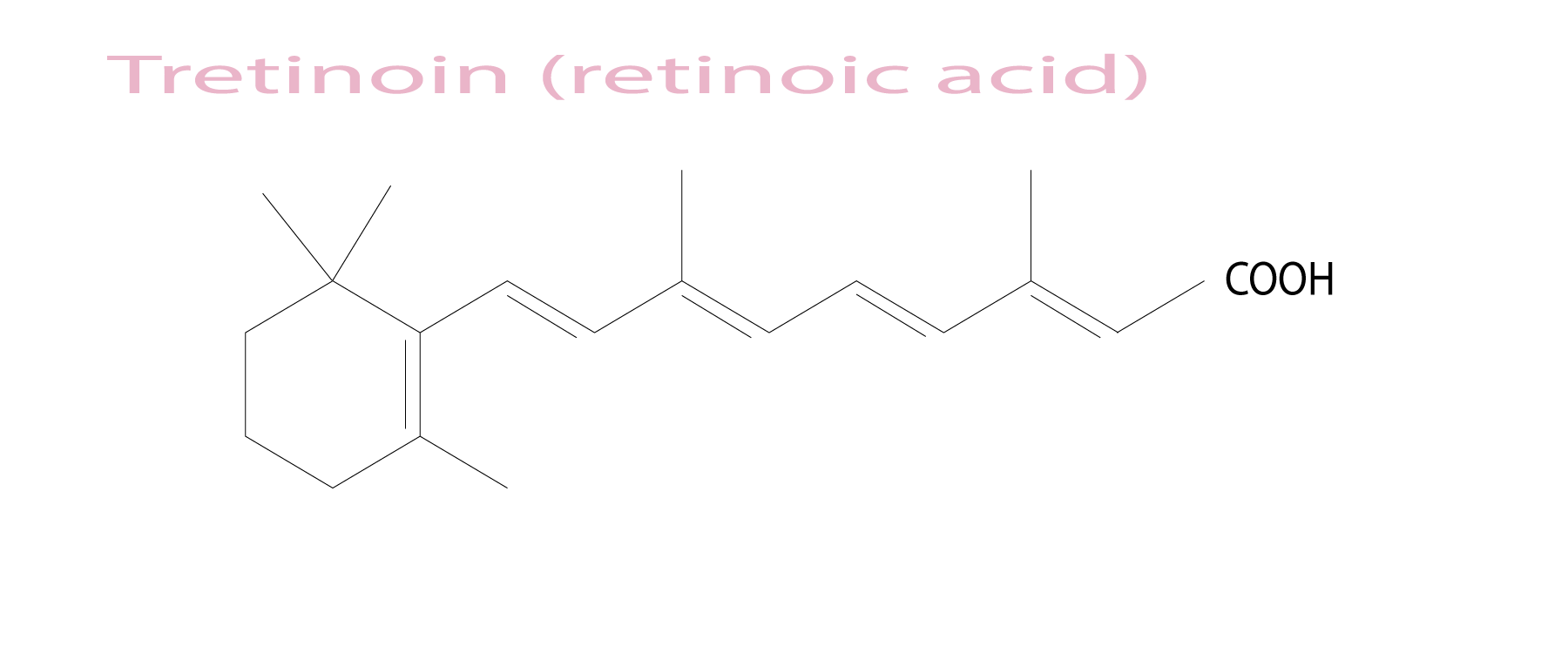
Tretinoin, also known as retinoic acid, is a widely used treatment derived from vitamin A to combat skin issues such as acne, skin aging, and psoriasis. Available by prescription, this medication comes in the form of cream, gel, or topical solution.
Its action is based on regulating the growth and maturation of skin cells, helping to eliminate dead cells and unclog blocked pores, thereby reducing acne breakouts. Additionally, it stimulates the production of new skin cells, which diminishes wrinkles and improves skin texture and elasticity.
While tretinoin is effective, it can cause temporary side effects such as redness, peeling, dryness, and increased sensitivity to the sun. These effects typically diminish over time.
To achieve the best results, it’s important to follow your dermatologist’s guidelines and use the treatment regularly and consistently.
Retinal
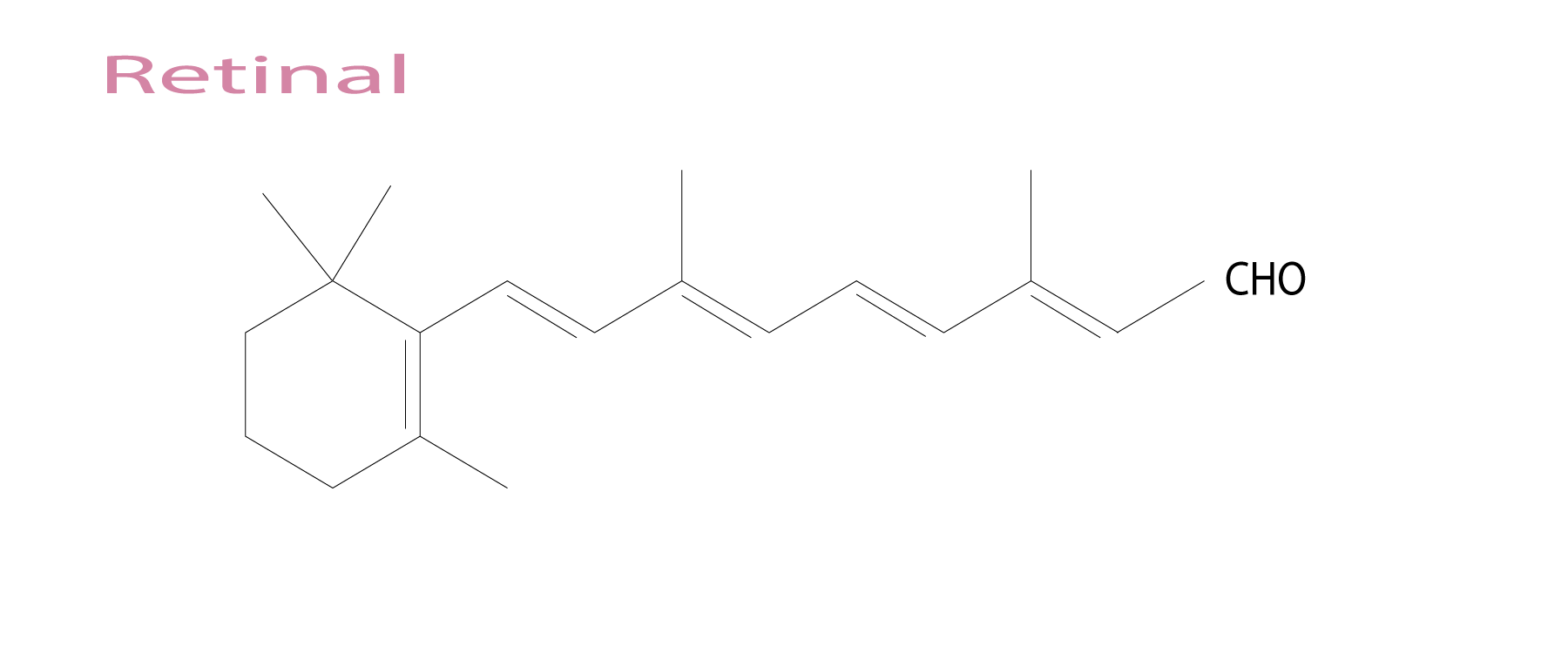
Retinal, also known as retinaldehyde, is a derivative of vitamin A that plays an intermediate role between retinol and tretinoin in the vitamin A biosynthesis pathway.
In dermatology, it is widely used for its anti-aging properties, helping to reduce the appearance of wrinkles, fine lines, and age spots.
Compared to tretinoin, it is considered a milder retinoid, making it more suitable for people with sensitive skin.
Retinol
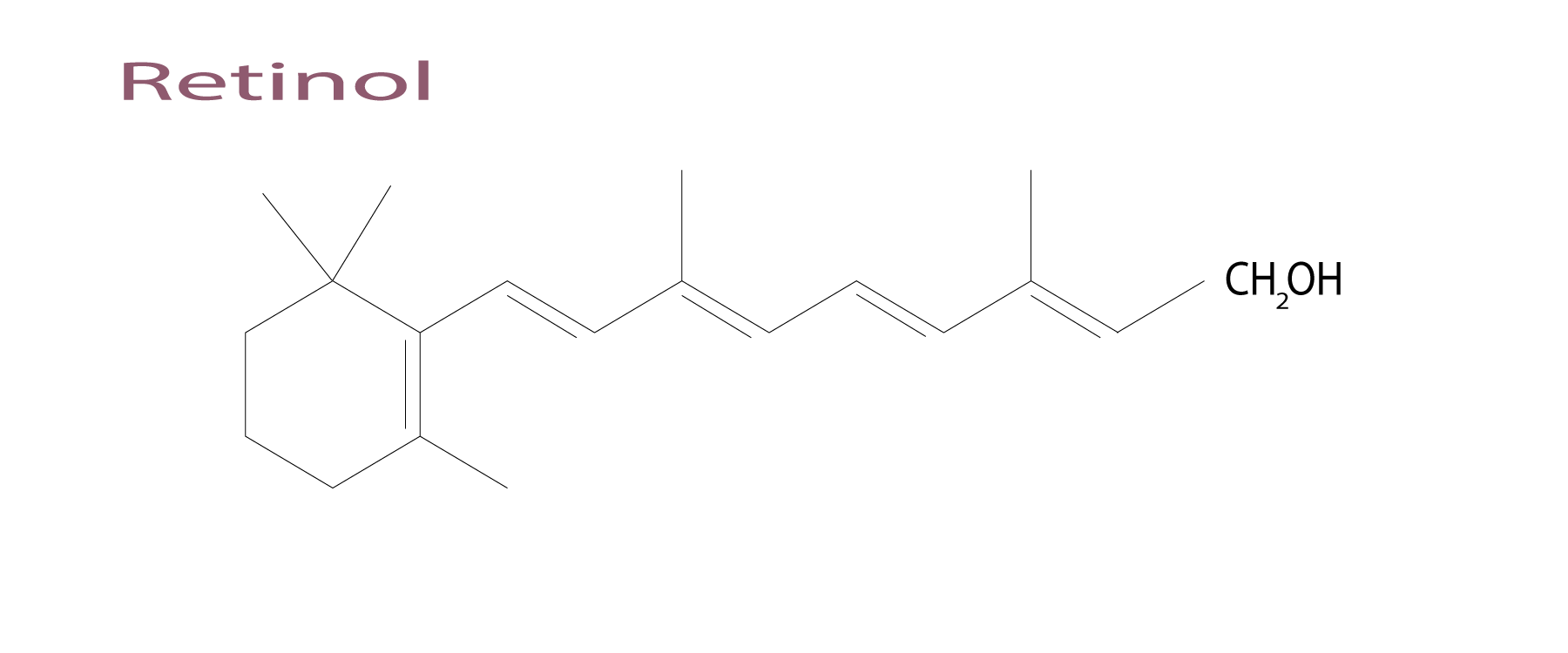
Retinol is another derivative of vitamin A widely used in cosmetics for its anti-aging properties.
It is often found in skin creams and serums because of its ability to stimulate collagen production, reduce the appearance of wrinkles, and improve skin texture.
Less potent than tretinoin and retinal, it is perfect for sensitive skin. However, it can sometimes cause skin irritation if used at a high concentration or combined with other active ingredients.
How are different retinoids transformed in the body?

Tretinoin acts directly on the skin without requiring additional transformation by the body, being the direct active form of the retinoid. On the other hand, retinal undergoes a transformation in the skin to become tretinoin, while retinol undergoes two successive transformations to reach this state (first converted to retinal, then to tretinoin).
These conversions are necessary for these compounds to fully exert their effect on the skin.
Once converted into tretinoin, retinal and retinol act by regulating the growth and maturation of the skin, reducing the appearance of wrinkles, fine lines, and other signs of skin aging.
The Effectiveness of Retinoids: What You Need to Know!

Retinoids work in different parts of your skin, giving it a boost in different ways to keep the skin healthy and glowing.
On the surface, they help your skin shed old cells and make new ones faster. This makes your skin smoother, evens out its tone, and reduces things like wrinkles and fine lines.
However, some retinoids go even deeper, getting into the layers beneath the surface. targeting issues like excessive sebum production (skin natural’s oil) or stimulating collagen for firmer, younger-looking skin. They penetrate into the dermis, where they interact with skin cells such as fibroblasts* and sebaceous glands. In the dermis, retinoids stimulate collagen production, regulate sebum production, and modulate various cellular processes involved in skin rejuvenation.4
Tretinoin is more potent than retinol5 and retinal due to its stronger pharmacological formulation. Prescription retinoids are specially formulated to be stable and pure, ensuring a precise and consistent concentration of the active compound. Their formulation also allows for more effective penetration into the deeper layers of the skin, thereby targeting acne, skin aging, and other dermatological conditions more precisely.
On the other hand, retinal and retinol, used as cosmetic ingredients, can vary in terms of concentration and purity, which can affect their effectiveness. Their molecular structure may also limit their penetration into the skin. However, this doesn’t mean that retinal and retinol are ineffective. They still retain their anti-aging properties, stimulating collagen production and improving skin texture by reducing the appearance of wrinkles and fine lines.6 They may just take longer to show results. Moreover, they are often better tolerated by sensitive skin than prescription retinoids, which can sometimes cause skin irritation.
As mentioned earlier, the effectiveness of creams containing retinoids depends on their concentration in the product. Generally, effective topical creams contain retinoid concentrations ranging from 0.01% to 0.1%.
However, it’s essential to understand that effectiveness7 can vary from person to person, and especially with the regularity of application. To minimize irritation and allow the skin to adapt gradually to the treatment, it’s often recommended to start with a lower concentration and gradually increase if necessary. And as a renowned American dermatologist I’ve followed for years, Dr. Shereen Idriss, says, “consistency over intensity”, emphasizing the importance of applying the product regularly to the skin rather than using very high concentrations of retinol!
It’s always best to consult a dermatologist for personalized advice on using retinoids in cream, including the appropriate concentration based on your skin type and specific needs.
*Fibroblasts are cells in your skin responsible for producing proteins like collagen, which help maintain the skin’s structure and elasticity. They play a crucial role in wound healing and keeping your skin healthy and firm.
New Regulation in Europe: What Changes for Retinol?8

Europe has recently implemented new regulations regarding retinol, retinyl acetate9, and retinyl palmitate10 in cosmetic products. These measures aim to limit the concentrations of these substances to protect consumers’ health while allowing industries time to adjust gradually.
These new rules include transition periods to allow companies to reformulate their products to comply with the established concentration limits. This action comes in response to growing concerns about the excessive use of these substances and potential health risks. Europe has set maximum concentration limits in response.
For body lotions, the maximum allowed concentration is 0.05%, while for leave-on (creams, serums) and rinse-off products (cleansers), it is 0.3%. These limits are designed to reduce the risks associated with excessive use of these substances in cosmetic products. The regulation makes a distinction between the concentration of 0.05% retinol equivalent (RE) in body lotion and 0.3% RE for other leave-on and rinse-off products.
But why this difference? Well, simply because body lotions are often applied over large skin surfaces and remain in contact with the skin for long periods, while other products like face creams or masks are typically applied more selectively and rinsed off after a short period. This ensures that products are used safely and effectively, taking into account their different uses and levels of skin exposure.
It’s important to remember that retinol, retinyl acetate, and retinyl palmitate are forms of vitamin A, and excessive exposure to this vitamin can lead to various adverse effects such as skin irritation, redness, increased sun sensitivity, and even congenital abnormalities in pregnant women. These regulatory measures are therefore put in place to limit these risks and ensure consumer safety.

Retinoids are valuable allies in our quest for healthy and radiant skin, whether it’s to treat persistent acne (which is why I started using tretinoin) or to reduce signs of aging (my second motivation for using tretinoin). Their origin from vitamin A gives them undeniable virtues, although their use must be balanced to avoid any risk to the skin and the consumer.
My personal experience with tretinoin, started after finishing my isotretinoin treatment, also highlights the importance of patience and perseverance in skincare. Only now, more than a year and a half later, I begin to see the benefits of this treatment. So, it’s important to stay faithful to a long-term skincare routine. More details on my results in an upcoming article!
With its increasing popularity, experts have preferred to impose rules to limit the undesirable effects of using these over-the-counter cosmetic retinoids by regulating the concentrations of retinols in beauty products. It’s crucial to understand these changes and adapt our skincare routine accordingly.
Nevertheless, retinoids play an important role in our skincare routine, and in my opinion, they are essential assets to maintain a healthy and radiant appearance every day. Incorporating them into our skincare routine can truly make a difference, offering results of luminous, younger-looking, and more radiant skin for longer!
Have you included retinoids in your skincare routine? Do you think the benefits outweigh the potential risks? What do you think of the new regulation?
Share your experiences and comments below!
Stay tuned for a new article on this blog!
See you soon! Beautifully Moi!
- Cosmetic Active Ingredient = Ingredients used in cosmetic/dermatological products to treat and/or improve the appearance and health of the skin. They are selected for their specific properties and often combined in formulations to target different skin needs. ↩︎
- Dermatological conditions = Skin issues such as acne, psoriasis, eczema, warts, skin infections, etc. Health and appearance concerns of the skin requiring medical or cosmetic treatment. ↩︎
- Biological function = Various activities and processes that occur in living organisms to sustain life, such as growth, reproduction, metabolism, etc. In this context, the biological functions of retinoids refer to their ability to influence the biological processes of the skin to address dermatological issues. ↩︎
- Source = National Library of Medicine, “Retinoids: active molecules influencing skin structure formation in cosmetic and dermatological treatments” ↩︎
- Source = National Library of Medicine, “A comparative study of the effects of retinol and retinoic acid on histological, molecular, and clinical properties of human skin“, “Retinoids in the treatment of skin aging: an overview of clinical efficacy and safety” ↩︎
- Source = National Library of Medicine, “A comparative study of the effects of retinol and retinoic acid on histological, molecular, and clinical properties of human skin” ↩︎
- Source = National Library of Medicine, “Improvement of naturally aged skin with vitamin A (retinol)“, Retinoids: active molecules influencing skin structure formation in cosmetic and dermatological treatments“, “Retinoids in the treatment of skin aging: an overview of clinical efficacy and safety” ↩︎
- Source = https://health.ec.europa.eu/system/files/2023-08/sccs_o_261.pdf ↩︎
- Retinyl acetate = A form of retinol, where retinol is esterified* with acetic acid (fatty acid). Appreciated for its stability and ability to be stored for long periods without degradation. ↩︎
- Retinyl palmitate = Another form of retinol where retinol is esterified* with palmitic acid (fatty acid). Appreciated for its stability and ability to be stored for long periods without degradation. Often used in products for sensitive skin.
*Esterified = A compound that has been esterified has undergone a chemical reaction with a type of acid to form a new substance. So here, retinol reacts with specific acids to form new compounds, retinyl acetate and palmitate. This chemical reaction makes these compounds more stable and suitable for use in skincare products. ↩︎
 Beautifully Moi
So well explained and interesting! Having just started the journey with retinoids, the article gives me motivation to continue! Thanks for sharing 😀
LikeLiked by 1 person
Thank you very much for your nice comment 😊😊
LikeLike
[…] are, the differences between them, and their effectiveness based on studies, which you can find here, to help you understand this popular skincare […]
LikeLike
[…] English version here […]
LikeLike
[…] only needs to convert to tretinoin in one step instead of two (More details about this conversion here). Retinal and retinol are known to be gentler than prescription tretinoin, and I can tolerate […]
LikeLike
[…] On my neck, I stick to the essentials: retinoids. But not just any kind. Until now, I had only used retinol or retinal (two gentler forms of vitamin A; you can read more here if you want the details of this skincare routine and if you want to know the difference between the different retinoids, I explain it all here). […]
LikeLike